How Do Car Shipping Brokers Actually Make Money (And Should You Use One)?
Navigating the world of car shipping can feel like a labyrinth, especially when you encounter terms like "broker" and "carrier." You just want your vehicle transported safely and efficiently, but a crucial question often arises: who exactly are you paying, and how do they make their money? Understanding the financial model behind car shipping brokers is key to making an informed decision about your next vehicle transport. At Shipping a Car Cross Country, we believe in complete transparency. We”™re here to demystify the auto transport industry, explaining the essential roles of both brokers and carriers, how brokers generate revenue, and critically, when leveraging their expertise can be a game-changer for your cross country shipping needs ”“ and when booking direct might make sense. Let”™s dive into the mechanics of auto shipping and uncover the value proposition of each player in this intricate ecosystem.Understanding the Auto Transport Ecosystem: Brokers vs. Carriers
Before we delve into the financial aspects, it”™s vital to distinguish between the two primary entities you”™ll encounter when arranging vehicle transport: the carrier and the broker. Think of it as the difference between a real estate agent and the homeowner selling the house, or a travel agent and the airline operating the flight.What is a Car Shipping Carrier?
A car shipping carrier is the company that physically moves your vehicle. They own the trucks ”“ be it open car carriers, enclosed trailers, or flatbeds ”“ and employ the drivers who operate these vehicles. Carriers are the backbone of the auto transport industry, performing the heavy lifting and ensuring your car gets from point A to point B.Key characteristics of a carrier:- Owns assets: Trucks, trailers, equipment.
- Employs drivers: The individuals responsible for driving.
- Directly performs transport: Handles the loading, driving, and unloading.
- Limited capacity: Each carrier has a finite number of trucks and routes they can cover at any given time.
- Direct interaction: If you book directly, you're dealing with the company transporting your car.
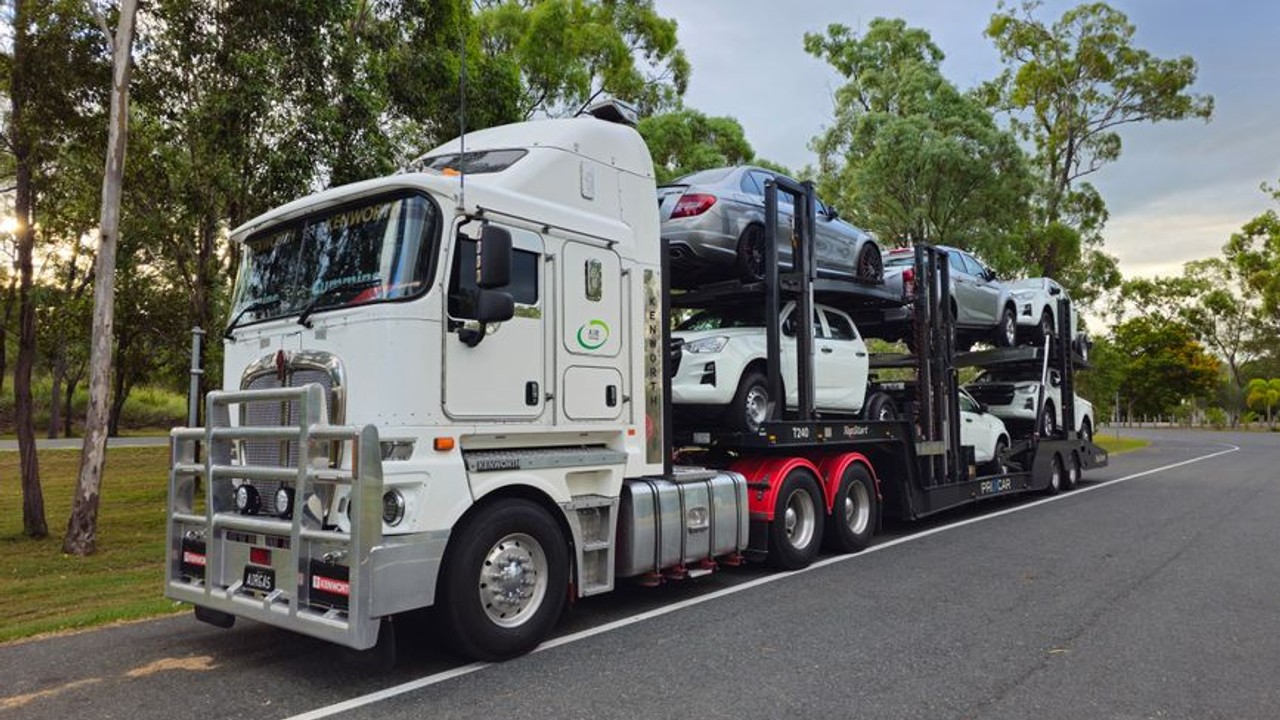 Booking directly with a carrier can sometimes lead to a slightly lower price if you can find one that perfectly matches your route, schedule, and vehicle type. However, the challenge often lies in finding such a carrier, especially for less common routes or specific dates, and vetting their reliability yourself.
What is a Car Shipping Broker?
A car shipping broker acts as an intermediary between you, the customer, and the vast network of car shipping carriers. They do not own trucks or directly transport vehicles. Instead, their primary role is to connect customers with the most suitable, vetted carrier for their specific transport needs.Key characteristics of a broker:- No physical assets: They don't own trucks.
- Network access: They have access to a vast database of thousands of licensed and insured carriers across the country.
- Market expertise: They understand fluctuating market prices, availability, and carrier reputations.
- Logistics coordination: They handle the intricate details of finding, vetting, scheduling, and dispatching carriers.
- Customer service: They are your single point of contact throughout the entire shipping process, managing communication and resolving issues.
The Core Question: How Do Car Shipping Brokers Make Money?
This is where the financial model becomes clear. Car shipping brokers primarily make money through a markup or commission on the carrier's fee. They act as a market maker, facilitating transactions that might otherwise be difficult, time-consuming, or more expensive for individual customers to arrange directly.The Markup Model Explained
When you receive a quote from a car shipping broker, that price typically includes both the carrier's fee for transport and the broker's service fee or markup. Here”™s a simplified breakdown:- Carrier's Price: This is the amount the carrier charges to transport your vehicle. It covers their fuel, driver wages, truck maintenance, insurance, and profit.
- Broker's Markup: This is the additional amount the broker adds to the carrier's price. This markup constitutes the broker's revenue and covers their operational costs and profit.
- Customer's Price: The sum of the carrier's price and the broker's markup is the final price you, the customer, pay for the service.
How the Markup Justifies the Service
While the idea of an "added cost" might initially raise an eyebrow, it's crucial to understand what this markup pays for. The broker's fee isn't just arbitrary; it covers a comprehensive suite of services that bring significant value to the customer: 1. Extensive Carrier Network Access: Brokers have relationships with thousands of vetted, licensed, and insured carriers nationwide. This access is invaluable, especially for less common routes or specific scheduling needs. Trying to find such a carrier yourself would be incredibly time-consuming and often fruitless. 2. Market Expertise & Price Negotiation: Brokers have real-time data on supply and demand for various routes. They know what a fair price is and can negotiate with carriers to secure the most competitive rate possible for the customer. This can often result in a price that is equal to or even less than what an individual might get trying to book directly, simply due to the broker's volume and negotiation power. 3. Vetting and Compliance: A good broker meticulously vets carriers to ensure they are properly licensed by the FMCSA (Federal Motor Carrier Safety Administration), carry adequate insurance, and have a strong safety record. This significantly reduces your risk of encountering unreliable or fraudulent carriers. 4. Logistics and Coordination: From scheduling pickups and deliveries to coordinating with drivers and managing potential delays, brokers handle all the intricate logistical details. This frees you from the stress and time commitment of managing the transport yourself. 5. Problem-Solving and Customer Support: If a carrier breaks down, faces unexpected delays, or if any issue arises during transit, the broker acts as your advocate. They work to find solutions, communicate updates, and manage any disputes, providing a single point of contact and peace of mind. 6. Time Savings: For busy individuals or those new to state to state car shipping, the time saved by having a broker handle all the research, coordination, and problem-solving is immeasurable. 7. Marketing and Overhead: Like any business, brokers have operational costs including marketing, technology, staffing, insurance, and licensing. The markup helps cover these expenses. Essentially, the broker's markup is the cost of their expertise, network, convenience, and risk mitigation. They convert a potentially stressful and complicated process into a streamlined service.
When Does a Car Shipping Broker Add Value?
Given the markup, you might wonder if a broker is always the best choice. The answer is often yes, particularly in situations where their unique value proposition truly shines.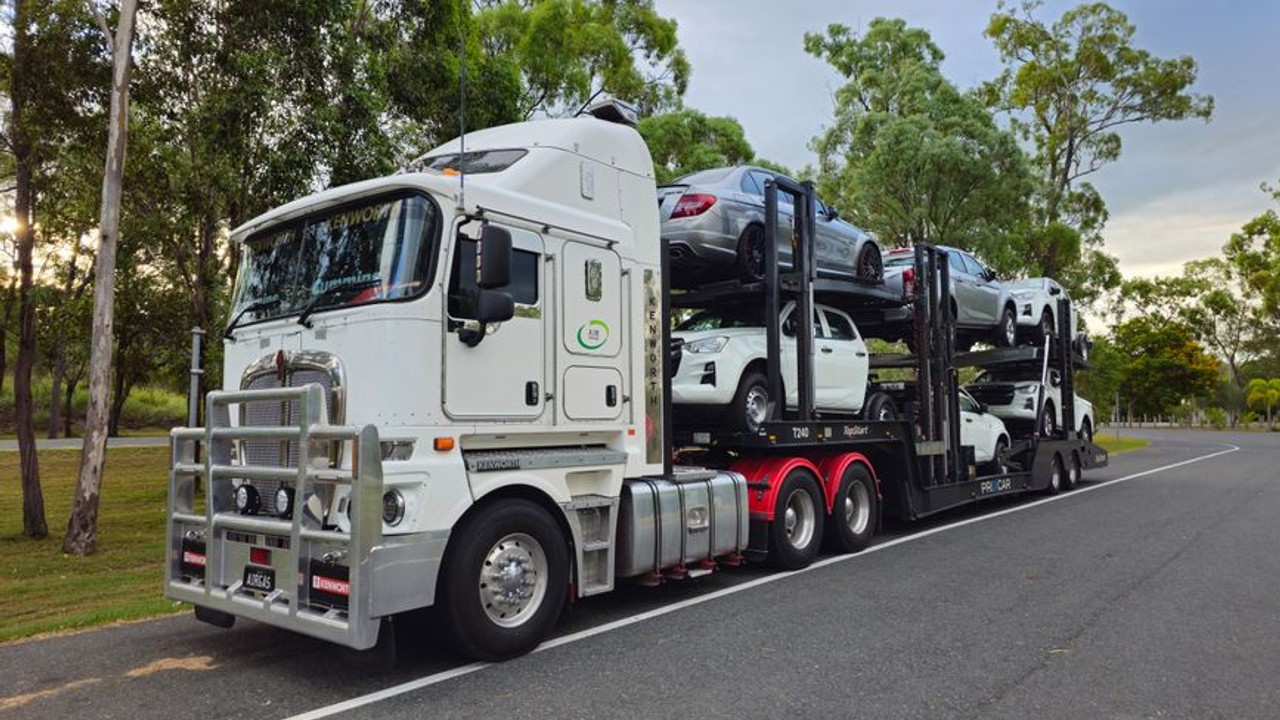 A car shipping broker adds significant value in several key scenarios:
- Cross-Country or Long-Distance Moves: For complex routes like a cross country car shipping, finding a single carrier with an open slot on your exact route and schedule can be incredibly challenging. Brokers have the network to match you with the right carrier, often optimizing routes to minimize transit time.
- Busy Schedules and Convenience: If your time is valuable, a broker is an excellent investment. They handle all the legwork, from getting quotes to scheduling and tracking, allowing you to focus on other aspects of your move or daily life.
- Tight Deadlines or Urgent Shipments: When you need a vehicle transported quickly, brokers can leverage their extensive network to find carriers with immediate availability, often faster than you could searching independently.
- Specialized Vehicle Transport: Shipping classic cars, luxury vehicles, oversized vehicles, or non-running cars often requires specialized equipment or experienced carriers. Brokers can identify and vet carriers who specialize in these types of transports, ensuring proper handling.
- First-Time Shippers: The auto transport process can be daunting for newcomers. A reputable broker guides you through every step, explaining the process, necessary documentation, and what to expect.
- Door-to-Door Service: Most people prefer door-to-door car shipping. Brokers are experts at coordinating this, finding carriers willing to pick up and deliver as close to your specified locations as legally and safely possible.
- Access to Competitive Pricing: While brokers add a markup, their ability to get multiple bids from various carriers can often result in a highly competitive final price that an individual consumer might struggle to achieve on their own. They understand the market dynamics and what carriers are willing to accept.
When to Consider Booking Directly with a Carrier (and the Challenges)
While brokers offer immense value, there are rare instances where booking directly with a carrier might be considered, though it comes with its own set of challenges.Niche Scenarios for Direct Booking:
- Known, Trusted Carrier: If you personally know a reputable carrier with whom you've worked before, and they operate on your desired route, direct booking can be a viable option.
- High-Volume, Popular Routes: For extremely common routes (e.g., major coastal lanes), you might find carriers that consistently run these routes and have readily available spots. Even then, comparing multiple carriers is still crucial.
- Ample Time and Willingness for DIY: If you have significant time to research, vet, and coordinate all aspects of the transport yourself, and you're comfortable with potential issues, you might attempt direct booking.
Challenges of Direct Booking:
 The perceived savings of cutting out the middleman often vanish when confronted with the realities of direct carrier booking:
- Limited Options and Availability: A single carrier operates a finite number of trucks on specific routes. Finding one that perfectly aligns with your desired pickup date, delivery window, and destination can be like finding a needle in a haystack. Many carriers prefer working with brokers because it fills their trucks more efficiently.
- The Burden of Vetting: You are solely responsible for verifying the carrier's operating authority (MC number), insurance, safety record (via FMCSA SAFER system), and customer reviews. This is a time-consuming and critical step that, if overlooked, can lead to serious problems.
- Less Negotiation Power: Individual customers typically have less leverage to negotiate competitive rates than brokers who bring consistent business to carriers.
- Lack of Support and Advocacy: If unforeseen issues arise ”“ a breakdown, a delay, damage, or a dispute ”“ you are on your own to resolve them directly with the carrier. There's no intermediary to advocate on your behalf.
- Inconsistent Pricing and Quotes: Carriers may provide varying quotes, and it can be difficult to discern a fair market price without broader industry knowledge.
- Potential for Scams: Unfortunately, the auto transport industry can attract unscrupulous operators. Without the vetting process of a reputable broker, you're more vulnerable to scams or unreliable services.
Key Factors to Consider When Choosing Between Broker and Carrier
To help you decide, consider these factors:- Budget: While brokers add a markup, their access to a wider pool of carriers can often secure a better overall deal. Consider the value of your time and peace of mind when evaluating costs.
- Time Commitment: Do you have hours, days, or even weeks to research, call carriers, compare quotes, and coordinate logistics? If not, a broker is your best friend.
- Flexibility: Are your pickup and delivery dates highly flexible, or do you have strict windows? Brokers offer more flexibility by tapping into a larger network.
- Experience Level: If you're new to auto shipping, a broker provides invaluable guidance and support.
- Vehicle Type: Standard sedans are easier to ship directly, but unique, luxury, or inoperable vehicles greatly benefit from a broker's specialized network.
- Route Complexity: Shipping a car from a major city to another major city is simpler than from a remote rural area to another remote location. Brokers excel at complex routes.
How to Choose a Reputable Car Shipping Broker (or Carrier)
Whether you lean towards a broker or attempt direct booking, due diligence is paramount. When selecting a service provider, always:- Check Online Reviews and Ratings: Look at independent review platforms like Google Reviews, Trustpilot, and the Better Business Bureau (BBB). A high volume of positive reviews is a strong indicator. For example, check out reviews for reputable companies on our blog post about top auto transport companies.
- Verify Licenses and Insurance: All legitimate brokers and carriers are required to be registered with the FMCSA. You can check their MC (Motor Carrier) number on the FMCSA SAFER website to verify their operating authority, insurance status, and safety record.
- Get Multiple Quotes: Don't settle for the first quote. Obtain at least 3-5 quotes to compare prices and services. Be wary of quotes that seem too good to be true, as they often are.
- Ask About Communication and Tracking: How will you be updated throughout the shipping process? Will you have access to a direct contact? Can you track your vehicle?
- Read the Contract Carefully: Understand the terms and conditions, including cancellation policies, payment schedules, and what's covered by insurance.
- Avoid Upfront Deposit Scams: Be cautious of companies demanding a large upfront deposit before securing a carrier. Reputable brokers typically charge a small dispatch fee or a portion of the payment upfront, with the remainder due upon delivery.