How Do Car Shipping Companies Calculate Distance and Time Estimates for Cross-Country Routes?
Shipping a car cross country can seem like a monumental task, shrouded in mystery when it comes to predicting exactly when your beloved vehicle will arrive. You”™ve entrusted your car to a professional auto shipping service, and naturally, you want to know the journey ahead. At Shipping a Car Cross Country, we understand that transparency and accurate expectations are paramount. The process of estimating distance and time for cross country shipping is far more intricate than simply plugging two points into a GPS. It involves a sophisticated blend of advanced technology, logistical expertise, federal regulations, real-time data analysis, and a deep understanding of the unpredictable nature of the open road. From the moment you request a quote to the final delivery, every factor is meticulously considered to provide you with the most reliable estimate possible. This comprehensive guide will demystify the complex calculations behind your car shipping quote, detailing how our dedicated team and cutting-edge systems work to provide accurate mileage and transit time estimates for your vehicle transport needs. We'll explore everything from the initial mileage assessment to the dynamic factors like traffic, weather, and regulations that shape the final delivery window.The Foundation: Understanding Mileage Calculation for Vehicle Transport
At its core, any car shipping estimate begins with distance. However, this isn't a simple "as the crow flies" measurement. Professional auto shipping companies utilize advanced tools and extensive experience to determine the most practical and efficient route.Direct Route vs. Practical Route: A Critical Distinction
When you look at a map, a straight line between New York and Los Angeles might seem like the shortest distance. However, trucks cannot fly over mountains, cross unbridged rivers, or traverse restricted areas.- Direct Route (As the Crow Flies): This is the shortest possible distance between two points, a theoretical measurement that doesn't account for real-world obstacles. It's largely irrelevant for actual vehicle transport.
- Practical Route (Drivable Distance): This is the actual distance a car carrier truck must travel on established roadways. It accounts for highways, interstates, state roads, and city streets, as well as necessary detours, turns, and geographical features. This is the mileage that truly matters for your auto shipping service.
The Role of Advanced Mapping Software and GIS
Modern car shipping companies like ours leverage sophisticated Geographic Information Systems (GIS) and specialized logistics software. These aren't just consumer GPS apps; they are powerful tools designed for commercial trucking operations.- Optimized Route Planning: These systems identify the most efficient and compliant routes for large commercial vehicles. They consider factors like road gradients, bridge clearances, weight limits, and hazardous material restrictions (though usually not directly relevant for standard auto transport, it's part of the broader system intelligence).
- Real-time Data Integration: Many advanced systems integrate live traffic data, weather forecasts, and road construction updates to dynamically adjust routes and estimates.
- Multi-Stop Optimization: For open car carriers, which transport multiple vehicles, the software also optimizes routes for multiple pickups and deliveries, ensuring the most efficient sequence to minimize overall transit time and fuel consumption.
Factors Influencing Practical Mileage
Several critical factors shape the final mileage calculation:- Road Networks: The availability and quality of interstates and major highways significantly impact mileage. A route primarily on interstates will typically be more direct and efficient than one involving numerous secondary roads.
- Geographical Barriers: Mountain ranges, large bodies of water, and national parks often necessitate significant detours, adding miles to a journey. For example, crossing the Rocky Mountains involves specific passes and routes suitable for commercial trucks.
- Pickup and Delivery Accessibility: While we offer door-to-door car shipping, the accessibility of the exact pickup and delivery addresses plays a role. If a residential street is too narrow or restricted for a large car carrier, a nearby, mutually agreed-upon commercial location will be designated, potentially adding a small amount of mileage to the driver's route.
- State-Specific Regulations: Some states have specific regulations regarding truck routes, especially through urban areas or environmentally sensitive zones, which can influence the chosen path.

Beyond Miles: The Nuances of Route Efficiency for Car Carriers
Mileage is just one piece of the puzzle. How that mileage is covered ”“ the efficiency of the route ”“ directly impacts the time estimate. This involves a deep understanding of federal regulations and logistical strategy unique to professional auto shipping.Driver Hours of Service (HOS) Regulations: The Ultimate Time Constraint
The Federal Motor Carrier Safety Administration (FMCSA) imposes strict Hours of Service (HOS) regulations on commercial truck drivers, including those operating car carriers. These rules are non-negotiable and are designed to prevent driver fatigue and ensure road safety.- 11-Hour Driving Limit: Drivers are permitted to drive a maximum of 11 hours after 10 consecutive hours off duty.
- 14-Hour Duty Limit: Drivers cannot drive after 14 hours on duty (which includes driving and non-driving tasks like inspections, fueling, and loading/unloading) following 10 consecutive hours off duty.
- 30-Minute Break Rule: Drivers must take a 30-minute break after 8 cumulative hours of driving.
- 70-Hour Work Week Limit: Drivers cannot drive after 70 hours on duty in 8 consecutive days. They must take a 34-hour restart to reset this cycle.
Strategic Stopovers and Fueling
Planning for fuel stops and mandatory rest periods is integrated into route calculations. These aren't arbitrary breaks but carefully planned intervals that minimize downtime while ensuring compliance and driver well-being. Fuel consumption, given the size and weight of a fully loaded car carrier, is a significant operational consideration.Load Optimization and Multi-Vehicle Routes
Most car shipping, particularly by open carriers, involves transporting multiple vehicles simultaneously. This means a single truck makes several pickups and deliveries along its route.- Consolidation: Vehicles are grouped based on origin, destination, and route proximity. This consolidation is key to making auto transport affordable and efficient.
- Minor Detours: While the primary route is optimized, each pickup or drop-off point might involve a slight detour from the main highway. These small detours, when aggregated across multiple vehicles, can add a few hours or a segment of a day to the overall transit time. This is a normal part of the process for state-to-state car shipping.
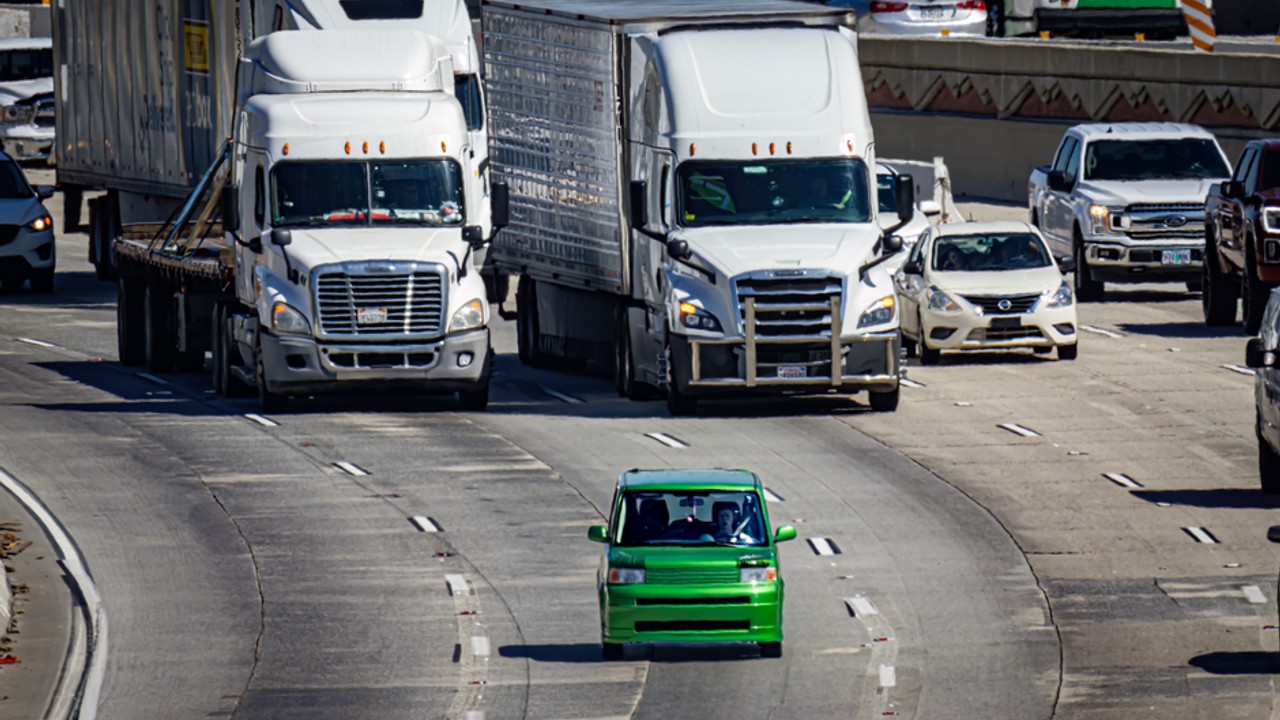
The Dynamic Equation: Estimating Transit Time with Variable Factors
While mileage and HOS regulations provide a baseline, numerous dynamic factors can influence the actual transit time. This is why car shipping companies often provide a delivery "window" rather than a precise date.Average Driving Speed and Pace
The average speed of a car carrier isn't a constant 65 mph. It fluctuates based on:- Road Type: Higher speeds on interstates, lower speeds on secondary roads and city streets.
- Vehicle Load: A fully loaded truck may have slightly reduced speeds on inclines or during acceleration compared to a single car.
- Speed Limits: Truck speed limits can be lower than passenger car limits in some states.
Impact of Traffic Conditions
Traffic is perhaps one of the most unpredictable variables.- Rush Hours: Major metropolitan areas experience significant slowdowns during morning and evening commutes. Routes are planned to minimize exposure to peak traffic, but sometimes it's unavoidable.
- Construction Zones: Road construction can cause unexpected delays, lane closures, and detours. Our systems often get real-time updates on these.
- Accidents: Road closures due to accidents can cause significant, unforeseen delays, sometimes requiring extensive detours.
Weather-Related Delays
Weather can dramatically impact transit times and, crucially, safety.- Snow and Ice: Winter storms in northern states or mountain passes can lead to road closures, significantly reduced speeds, or even necessitate waiting out the storm, adding days to transit time.
- Heavy Rain and Flooding: Reduced visibility and slippery conditions lead to slower speeds. Flooded roads can make routes impassable.
- High Winds: Dangerous for large, high-profile vehicles like car carriers, potentially leading to road closures for trucks.
- Natural Disasters: Hurricanes, tornadoes, or wildfires can cause widespread road closures and logistical nightmares, rerouting carriers hundreds of miles.
Road Construction and Detours
Beyond temporary construction zones, major long-term road improvement projects can affect routes for extended periods. Carriers must stay updated on these changes to adjust their paths accordingly.Mechanical Issues & Unforeseen Circumstances
While professional car carriers are meticulously maintained, mechanical issues can occur. Tire blowouts, engine problems, or other unforeseen circumstances can cause delays. Reputable companies have contingency plans and roadside assistance protocols to resolve these issues as quickly as possible.
The Human Element and Logistics Expertise
Even with the most advanced technology, the human element remains irreplaceable in car shipping logistics.The Dispatcher's Role: Combining Data with Experience
Our dispatchers are seasoned logistics professionals. They don't just follow a computer-generated route; they apply years of experience and intuition to refine estimates. They consider:- Driver Availability and Schedule: Matching drivers to routes based on their current location, HOS availability, and expertise.
- Terminal Operations: For companies that use terminals, coordinating vehicle transfers and staging.
- Past Performance Data: Historical data on specific routes, carriers, and regions helps them anticipate potential issues.
Communication and Contingency Planning
A key part of the dispatcher's role is communication ”“ with drivers, customers, and other logistical partners. When delays occur, they are responsible for:- Informing Customers: Providing updated estimates and reasons for delays.
- Adjusting Routes: Rerouting drivers in real-time to avoid new obstacles.
- Problem-Solving: Addressing issues like mechanical breakdowns or unexpected road closures.
How Technology Powers Precision in Auto Shipping
The industry has evolved dramatically with technological advancements that significantly enhance the accuracy of car shipping estimates and transparency for customers.GPS Tracking and Telematics
Modern car carriers are equipped with advanced GPS tracking and telematics systems.- Real-time Location: Customers can often track their vehicle's general progress, offering peace of mind.
- Route Monitoring: Dispatchers monitor drivers' progress against the planned route, identifying potential deviations or delays early.
- Driver Behavior Monitoring: Telematics can also monitor driving habits, ensuring compliance with safety standards and efficient fuel consumption.
Predictive Analytics
Leveraging vast amounts of historical data, auto transport companies use predictive analytics to refine their estimates. By analyzing past transit times on similar routes, factoring in seasonal weather patterns, historical traffic data, and even economic trends, they can create more accurate probabilistic models for delivery windows.Customer Portals and Communication Tools
Online platforms and communication tools provide customers with access to their shipping status, estimated delivery windows, and direct lines to customer service. This commitment to transparency is a hallmark of professional vehicle transport services.
What This Means for You: Setting Realistic Expectations for Your Car Shipping
Understanding these complexities helps you appreciate why car shipping estimates are often provided as a range (e.g., 5-7 business days) rather than a single, guaranteed date.1. Book in Advance for Better Planning
Booking your auto shipping service further in advance provides greater flexibility for the carrier to consolidate loads efficiently and plan routes, potentially leading to a smoother and sometimes quicker transport.2. Understand the "Window" and Be Flexible
The delivery window is not a sign of imprecision but an honest reflection of the variables involved in cross-country logistics. Being flexible with your pickup and delivery dates can also lead to more favorable pricing and quicker assignment to a carrier. For more insights, you might want to check out our blog post on top auto transport companies and what makes them reliable.3. Communicate Clearly and Accurately
Provide precise and accurate information regarding your pickup and delivery addresses, vehicle details, and any specific requirements. This helps our team make the most accurate initial calculations and avoid last-minute complications. If your chosen pickup or drop-off location is challenging for a large car carrier, discussing this upfront with us can help plan a smoother operation, perhaps at a nearby accessible location. You can always reach out to us via our contact page.4. Stay Informed Through Tracking
Utilize any tracking services provided. While it won't give you second-by-second updates, it will keep you generally informed of your vehicle's progress and help you anticipate its arrival within the provided window. You can also explore our shipping calculator for initial estimates.Conclusion: Expertise You Can Trust for Cross Country Shipping
Calculating distance and time estimates for cross-country car shipping is a sophisticated operation, blending advanced technology with seasoned human expertise. It involves far more than just measuring miles; it's about navigating federal regulations, anticipating traffic and weather, optimizing routes for multiple vehicles, and responding dynamically to unforeseen challenges. At Shipping a Car Cross Country, our commitment is to provide you with reliable, transparent, and efficient vehicle transport services. We leverage every tool at our disposal ”“ from cutting-edge GIS software and real-time data to the invaluable experience of our dispatchers and drivers ”“ to ensure your car reaches its destination safely and within the estimated timeframe. When you choose us for your auto shipping needs, you're not just getting a driver and a truck; you're getting a complete logistical solution dedicated to moving your vehicle with precision and care. Ready to experience seamless car shipping? Get your instant quote today and let us take the wheel!Ready to ship your car across the country? Visit Shipping a Car Cross Country or get a free, no-obligation quote from our shipping calculator to start your hassle-free vehicle transport journey!