How Do Car Shipping Companies Handle Delays Due to Weather or Mechanical Issues?
Embarking on a cross-country car shipping journey for your beloved vehicle can be an exciting, yet sometimes nerve-wracking, experience. You”™ve entrusted a professional auto transport service with one of your most valuable possessions, expecting a smooth, timely delivery. While reputable companies like Shipping a Car Cross Country strive for perfection, the reality of long-haul logistics means that unforeseen circumstances can sometimes arise. The open road, just like life, is full of unpredictable elements.
Two of the most common culprits for unexpected hold-ups in vehicle transport are adverse weather conditions and mechanical issues with the car carrier itself. While these events are beyond anyone's direct control, how a professional car shipping company prepares for, responds to, and communicates about them makes all the difference. Understanding these processes can provide immense peace of mind, ensuring you know your vehicle is in capable hands, even when the unexpected occurs.
In this comprehensive guide, we'll delve deep into the strategies and protocols that leading auto shipping companies employ to manage delays, maintain safety, and keep you informed. From proactive planning to real-time communication, discover the robust systems in place to navigate the challenges of the road.
Understanding the Unpredictability of Auto Transport
Shipping a car, especially across vast distances like a cross country shipping route, is a complex logistical undertaking. It involves numerous variables: a network of roads and highways, human drivers, intricate machinery (the truck itself), fluctuating fuel prices, traffic patterns, and, of course, the ever-changing environment. While meticulous planning goes into every shipment, some factors simply cannot be precisely predicted.
Imagine a typical route from California to New York. This journey spans thousands of miles, traverses multiple climate zones, and potentially crosses numerous mountain ranges, plains, and urban centers. Over such a distance, the likelihood of encountering a weather event or a mechanical hiccup increases. Recognizing this inherent unpredictability is the first step for any professional vehicle transport provider in developing robust contingency plans.
The "Why" Behind the Delays: Common Scenarios
While an ideal scenario sees your vehicle arriving exactly on schedule, understanding the common reasons for deviations helps set realistic expectations:
- Weather Disruptions: Blizzards, hurricanes, ice storms, heavy rainfall, high winds, wildfires, or even extreme heat can all force carriers to alter plans for safety reasons.
- Mechanical Breakdowns: Even well-maintained trucks can experience tire blowouts, engine trouble, electrical faults, or other mechanical failures.
- Traffic & Road Closures: Accidents, construction, and unexpected road closures can cause significant detours or standstill traffic.
- Driver Hours of Service (HOS): Strict federal regulations limit the number of hours a commercial driver can operate, ensuring safety and preventing fatigue. Delays can sometimes cause drivers to reach their HOS limits, necessitating a mandatory rest period.
- Logistical Adjustments: Sometimes, minor adjustments to a multi-car load's route or schedule are necessary to optimize efficiency or accommodate unforeseen issues with other vehicles on the same state-to-state shipment.
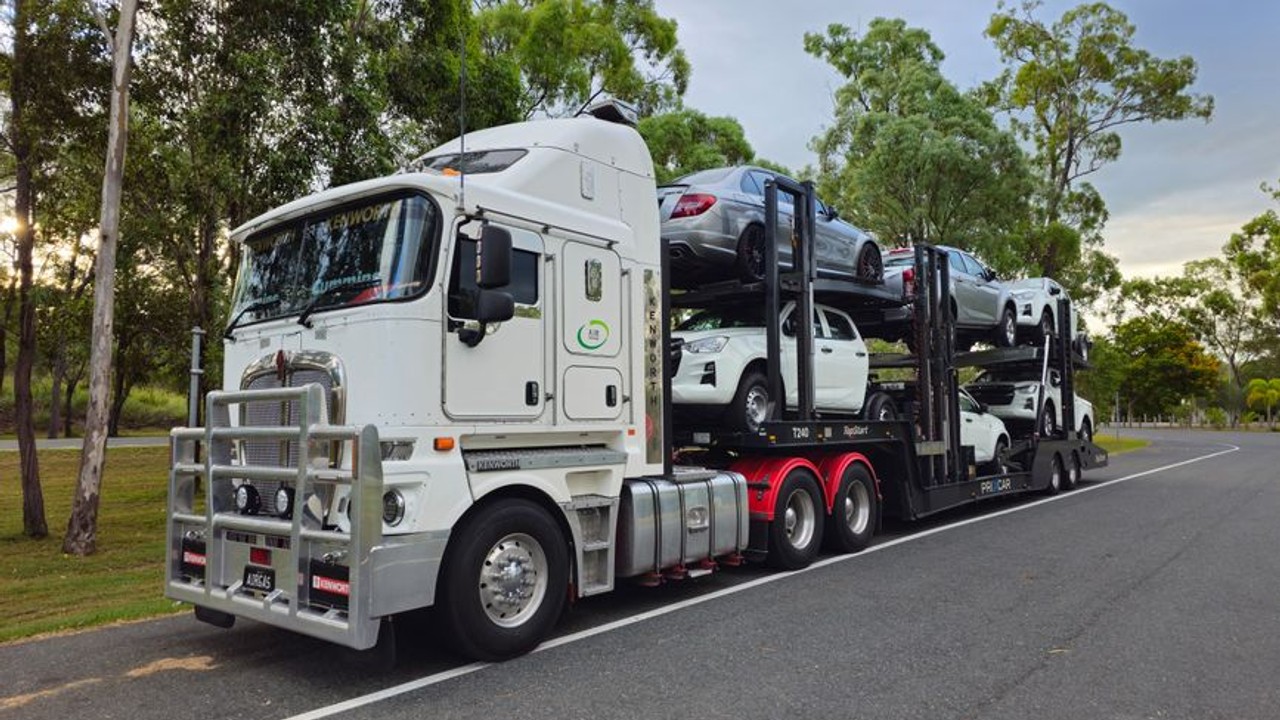
The Proactive Approach: Mitigating Potential Delays Before They Happen
A truly professional car shipping company doesn't just react to delays; it works diligently to prevent them. This proactive stance is foundational to reliable service.
Advanced Route Planning and Weather Monitoring
Before a single wheel turns, logistics specialists analyze potential routes. This involves:
- Route Optimization Software: Utilizing sophisticated software to determine the most efficient and safest routes, considering mileage, road conditions, and potential choke points.
- Real-time Weather Intelligence: Constant monitoring of weather forecasts across the entire transport path. This isn't just checking the local news; it's using specialized meteorological services that provide detailed, localized forecasts for specific highways and regions. If a major storm is predicted along a segment of the route, alternative paths can be explored, or a temporary hold planned.
- Seasonal Considerations: Understanding that certain routes are more prone to specific weather events during different seasons (e.g., snow in the Rockies in winter, hurricane season in the Southeast).
Rigorous Vehicle Maintenance and Driver Training
The reliability of the car carrier truck itself is paramount. Top auto shipping companies invest heavily in:
- Fleet Maintenance: Regular, scheduled maintenance checks for their entire fleet. This includes engine diagnostics, tire inspections, brake checks, and fluid replacements, significantly reducing the likelihood of mechanical breakdowns. Preventative maintenance is far more effective than reactive repairs.
- Driver Qualification and Training: Hiring experienced drivers with excellent safety records. Drivers are often trained in defensive driving techniques, adverse weather driving, and basic roadside troubleshooting. They are the eyes and ears on the ground and are crucial in identifying potential issues early.
Weather-Related Delays: Navigating Mother Nature's Challenges
Weather is arguably the most common and often unavoidable cause of shipping delays. When Mother Nature decides to act, safety becomes the absolute priority.
Types of Weather Disruptions and Their Impact
- Snow & Ice Storms: Can render roads impassable, reduce visibility to near zero, and create hazardous driving conditions. This often leads to highway closures, especially for commercial vehicles.
- Heavy Rain & Flooding: Can cause slick roads, hydroplaning risks, and even lead to flash floods that close major arteries. Bridge closures are also a concern.
- High Winds: Especially dangerous for tall, top-heavy commercial vehicles like car carriers. High winds can cause swaying, difficulty maintaining lanes, and even lead to overturning in extreme cases.
- Hurricanes & Tropical Storms: These widespread events necessitate complete shutdowns of operations in affected regions, often for days, due to extreme winds, torrential rain, and widespread flooding.
- Extreme Heat/Cold: While less likely to halt traffic entirely, extreme temperatures can impact vehicle performance (both the carrier and the transported cars) and driver safety. Intense heat can lead to tire blowouts, while severe cold can cause fuel gelling.
Carrier Protocols During Weather Events
When severe weather strikes, car carriers implement strict protocols:
- Immediate Assessment: Dispatch and logistics teams, in constant communication with drivers, assess the severity and trajectory of the weather system.
- Prioritizing Safety: The number one rule is driver and cargo safety. If conditions become unsafe, the driver is instructed to pull over at the nearest safe rest stop, truck stop, or service station. There will be no compromise on safety, even if it means a delay.
- Route Adjustment/Rerouting: If possible, dispatchers will work to find an alternative, safer route. This might add mileage and time, but it ensures progress and safety.
- Temporary Holds: In cases of widespread severe weather (e.g., a blizzard across multiple states), the entire operation in that region might be temporarily paused until conditions improve and roads are clear.
- Constant Monitoring: Once operations resume, the route continues to be monitored for any lingering effects or new developments.

Mechanical Issues: Addressing the Unexpected on the Road
Even with the most stringent maintenance schedules, mechanical failures can happen. A professional car carrier service is prepared for this eventuality.
Common Mechanical Breakdowns and Their Implications
- Tire Problems: Blowouts, punctures, or simply worn tires are common. These require immediate attention, as a compromised tire can quickly become a safety hazard.
- Engine Malfunctions: Overheating, loss of power, or unusual noises indicate a serious issue that usually requires the vehicle to be stopped immediately.
- Brake System Issues: Any problem with the brakes is a critical safety concern and necessitates an immediate halt to operations.
- Electrical System Failures: Can affect everything from lights and wipers to the engine and safety systems.
- Trailer-Specific Issues: Problems with the ramps, hydraulic systems, or securing mechanisms of the actual car hauling trailer.
Carrier Protocols During Mechanical Breakdowns
When a mechanical issue arises, the response is swift and methodical:
- Driver Reports Immediately: The driver communicates the issue to dispatch, detailing the problem and their location.
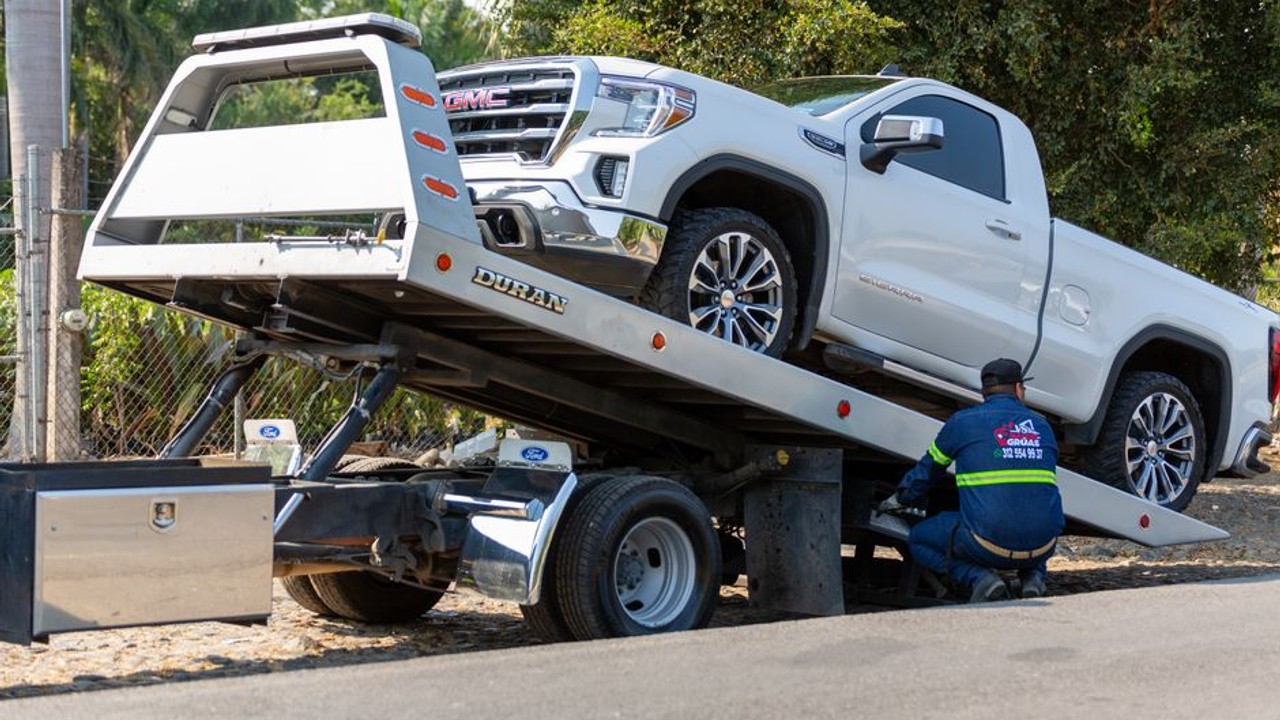
- Roadside Assistance & Repairs: Reputable car shipping companies have established networks with roadside assistance providers and heavy-duty truck repair shops across the country. A mobile mechanic or tow service is dispatched promptly. For minor issues like a tire change, the driver might be equipped to handle it if it's safe to do so.
- Damage Assessment & Cargo Safety: During repairs, the security and condition of the transported vehicles are paramount. The driver ensures all vehicles remain safely secured and undisturbed.
- Contingency Planning:
- On-Site Repair: If the repair is quick (e.g., tire change), the delay might be minimal.
- Shop Repair: If the truck needs to be taken to a repair shop, the repair time could extend.
- Vehicle Swap: For longer repairs, a company might dispatch a different driver and truck (a "relief" or "swap" truck) to take over the load, minimizing the overall delay to the customer. This is a hallmark of truly dedicated service providers like Shipping a Car Cross Country.
- Temporary Storage: In rare cases, if a swap truck isn't immediately available and repairs are extensive, the vehicles might be temporarily and securely stored until a new carrier can be arranged.
Communication is Key: Keeping Customers Informed Every Step of the Way
Perhaps the most crucial aspect of handling delays, from a customer's perspective, is clear, timely, and transparent communication. A delay is far less stressful when you know what”™s happening and why.
How Information is Conveyed
Leading auto transport companies employ multiple channels to ensure customers are always in the loop:
- Direct Phone Calls: Often the primary method for significant updates, offering a personal touch and allowing for immediate questions.
- Email Updates: Providing a written record of communications, summarizing the situation, estimated new delivery times, and actions being taken.
- SMS Text Messages: For quick alerts and minor updates, especially useful for drivers and customers on the go.
- Online Tracking Portals: Many companies offer customer portals where you can track your vehicle's approximate location and view status updates in real-time. This can be invaluable for cross country shipping.
- Dedicated Customer Service Teams: Trained representatives are available to answer questions, provide reassurance, and act as a liaison between the customer, dispatch, and the driver. Our team at Shipping a Car Cross Country prides itself on this proactive communication.
What Information is Shared
When a delay occurs, customers should expect to receive specific, actionable information:
- Reason for the Delay: Clearly explaining whether it's weather, mechanical, or another logistical issue.
- Location of the Vehicle/Carrier: Providing a general idea of where the delay is occurring.
- Actions Being Taken: Detailing the steps the company is taking to resolve the issue (e.g., "driver pulled over due to ice," "mechanic dispatched for tire repair," "rerouting due to highway closure").
- Estimated New Delivery Time (ETA): While this might be an approximation, providing a revised timeframe helps customers plan accordingly. It's important to remember that this new ETA might also be subject to change depending on the evolving situation.
- Reassurance: Confirming that the vehicle is safe and being cared for.
Transparency builds trust. Even if the news isn't ideal, an honest explanation and a clear plan of action are always preferred over silence or vague responses.

Advanced Logistics & Technology: The Backbone of Resilient Operations
Modern car shipping is driven by technology and sophisticated logistical planning, which are instrumental in navigating and mitigating delays.
Real-time Tracking and Telematics
Every commercial car carrier today is equipped with advanced GPS tracking and telematics systems. These systems provide:
- Precise Location Data: Dispatchers know exactly where each truck is at all times.
- Vehicle Performance Data: Monitoring engine diagnostics, fuel consumption, and driver behavior can help identify potential mechanical issues before they become critical.
- Electronic Logging Devices (ELDs): These devices automatically record driver hours of service, ensuring compliance with federal regulations and helping dispatchers plan routes and rest stops effectively to avoid HOS-related delays.
Dynamic Route Optimization and Contingency Planning
Beyond initial route planning, logistics teams continuously monitor conditions and adapt:
- Real-time Traffic & Road Condition Updates: Integrating data from traffic apps, highway patrol reports, and proprietary weather services allows dispatchers to dynamically reroute carriers around accidents, construction, or severe weather cells.
- Multi-layered Contingency Plans: Having pre-determined backup plans for common scenarios. For example, knowing which alternative routes are viable if a major highway is closed, or having a list of preferred repair shops along frequently traveled corridors.
- Load Balancing: For multi-car carriers, sometimes a slight delay on one part of the route for one customer might be necessary to ensure the overall efficiency and timely delivery for the majority of the load. This is always balanced with transparent communication.
What You Can Do As a Customer
While much of the delay management falls on the car shipping company, there are steps you can take to contribute to a smoother process and manage your own expectations:
- Choose a Reputable Company: This is paramount. Look for companies with strong reviews, clear communication policies, and a proven track record. Ask questions about their delay protocols before booking. (Hint: Shipping a Car Cross Country is known for its reliability).
- Provide Accurate Contact Information: Ensure the company has your correct phone number(s) and email address, and that you're checking them regularly, especially as the estimated delivery window approaches.
- Be Patient and Understanding: Remember that delays due to weather or mechanical issues are usually for safety reasons and are beyond the company's direct control. Professional carriers are working to resolve the issue as quickly and safely as possible.
- Read Your Contract/Terms & Conditions: Understand the company's policies regarding delivery windows, potential delays, and communication protocols.
- Ask Questions: If you're unsure about an update or need more clarity, don't hesitate to reach out to the customer service team.
Conclusion: Reliability Amidst Uncertainty
The journey of auto transport, particularly cross country shipping, is a testament to complex logistics, human expertise, and advanced technology. While the aspiration is always for a perfectly smooth, on-time delivery, the realities of the open road ”“ from unexpected blizzards to unforeseen mechanical hiccups ”“ mean that delays can, and sometimes do, occur.
The true measure of a professional car shipping company isn't merely the absence of delays, but rather how effectively and transparently they manage them when they arise. Companies like Shipping a Car Cross Country invest significantly in proactive planning, rigorous maintenance, experienced drivers, and cutting-edge technology to minimize risks. Crucially, they prioritize clear, consistent, and empathetic communication, ensuring that you, the customer, are always informed and reassured.
By understanding these processes, you can approach your next vehicle transport with greater confidence, knowing that even in the face of the unexpected, your vehicle is being handled with the utmost care and professionalism.
Ready to experience professional, transparent, and reliable car shipping services? Get your instant quote today and let Shipping a Car Cross Country handle your vehicle's journey with expertise and peace of mind.