How Do Seasonal Weather Patterns Affect Car Shipping Schedules and Costs?
Shipping a car across the country is a significant undertaking, requiring careful planning and consideration. While factors like distance, vehicle type, and service level play a crucial role in determining your auto shipping experience, there's one overarching element that often dictates timelines and pricing more than any other: seasonal weather patterns. From the icy grip of winter to the scorching heat of summer and the fluctuating demands of each season, understanding these influences is key to a smooth and cost-effective vehicle transport process.
At Shipping a Car Cross Country, we have years of expertise navigating the dynamic landscape of auto logistics. We know that anticipating seasonal changes isn't just about avoiding discomfort; it's about making informed decisions that protect your vehicle, your wallet, and your peace of mind. In this comprehensive guide, we'll delve into how different seasons and their unique weather challenges impact car shipping schedules and costs, offering insights to help you plan your next cross country shipping adventure.
Whether you're relocating for a new job, sending a classic car to a show, or embarking on a long-distance move, being prepared for seasonal variations can make all the difference. Let's explore the forces of nature and market demand that shape the world of car shipping.
The Winter Gauntlet: Navigating Cold Weather Challenges
Winter presents perhaps the most formidable challenges for the car shipping industry. From November to March, much of the United States experiences conditions that can significantly impede vehicle transport operations, leading to potential delays and increased costs. Understanding these challenges is crucial for anyone planning to ship a car during the colder months.
Winter Storms and Road Conditions
The most obvious impact of winter is the prevalence of severe weather events. Snowstorms, blizzards, freezing rain, and black ice can transform highways into hazardous zones, making travel slow and dangerous. When these conditions strike, several cascading effects occur:
- Road Closures and Detours: Major interstates, especially those traversing mountainous regions or the northern plains, are frequently closed during heavy snowfall or ice storms. This forces car carriers to take longer, less direct routes, adding miles, fuel consumption, and time to the journey.
- Reduced Speeds: Even when roads remain open, safety mandates significantly reduced speeds. A trip that might take two days in clear weather could easily stretch to three or four days, or even more, as trucks crawl through treacherous conditions.
- Increased Accident Risk: The risk of accidents, even minor fender-benders, increases dramatically in icy conditions. While car shipping companies take extensive precautions, weather-related incidents can lead to delays for inspections, repairs, or rerouting of cargo.
- Driver Availability: Truck drivers, who are vital to the vehicle transport network, are also impacted. Hours of Service (HOS) regulations mean they can only drive a certain number of hours. If delays due to weather exhaust their available driving time, they must stop, further extending transit.
Regions most affected include the Northeast (e.g., I-81, I-90, I-95), the Midwest (e.g., I-80, I-70), and the Mountain West (e.g., I-70 through the Rockies). Shipping a car from New York to Chicago, or from Denver to Seattle, in the heart of winter will almost certainly encounter weather-related obstacles.

Equipment and Operational Readiness
Winter also places additional strain on car carrier equipment and operational logistics. Trucks require more maintenance and specific preparations to handle the cold:
- Fuel and Fluids: Diesel fuel gels in extreme cold, necessitating anti-gelling additives. Engine fluids and tires must be specifically rated for winter conditions.
- Tires and Chains: Many states require tire chains for commercial vehicles in mountainous areas during winter, which are time-consuming to install and remove, and can only be used at slow speeds.
- Breakdowns: Cold weather exacerbates mechanical issues, increasing the likelihood of breakdowns. A truck breakdown in sub-zero temperatures can lead to significant delays and complications for vehicle transport.
- Carrier Hesitancy: Some smaller carriers or independent drivers may choose to avoid particularly hazardous winter routes, especially if their equipment isn't fully winterized, leading to reduced availability in certain areas.
Pricing in Winter
The cumulative effect of these challenges is a noticeable impact on car shipping costs:
- Increased Operational Costs: Higher fuel consumption (due to slower speeds, detours, and idling), increased maintenance, and the cost of specialized equipment (chains, additives) all contribute to higher operational expenses for carriers.
- Reduced Efficiency: Fewer loads can be delivered in a given timeframe due to delays, meaning carriers need to charge more per load to maintain profitability.
- Supply and Demand Imbalance: While overall demand for vehicle transport might decrease slightly in winter as some people postpone non-essential moves, the supply of available carriers capable or willing to tackle harsh conditions also shrinks, leading to a premium for those who do.
Customers needing expedited car shipping during winter should expect to pay a significant premium, as it requires carriers to prioritize their vehicle above others, often incurring even higher risks and operational costs. For reliable car shipping services year-round, it”™s always wise to consult with experienced providers.
Summer Sizzle: Heat, Demand, and Logistics
While winter brings its icy challenges, summer ushers in a different set of considerations for car shipping. Characterized by high temperatures and a surge in demand, the summer months (roughly May through August) represent peak season for vehicle transport, particularly for cross country shipping.
Extreme Heat and Its Effects
Summer heat, especially in the southern and western states, can pose several challenges:
- Impact on Truck Components: Intense heat can strain truck engines, tires, and cooling systems, increasing the risk of mechanical breakdowns. Tire blowouts are more common in extreme heat.
- Driver Fatigue and Regulations: High temperatures contribute to driver fatigue. Coupled with strict Hours of Service (HOS) regulations, this can lead to drivers needing longer breaks or limiting their driving hours, potentially slowing transit times.
- Fuel Efficiency: While not as drastic as winter, extreme heat can slightly reduce fuel efficiency as engines work harder and air conditioning systems run constantly.
- Vehicle Condition: While modern vehicles are built to withstand heat, older or classic cars might be more sensitive. Carriers take precautions, but prolonged exposure to extreme sun can affect finishes or interior materials.
Regions particularly affected by intense summer heat include the Southwest (e.g., Arizona, Nevada, Southern California), Texas, and the Gulf Coast states. Shipping a car from Los Angeles to Miami in July will involve navigating significant stretches of hot weather.
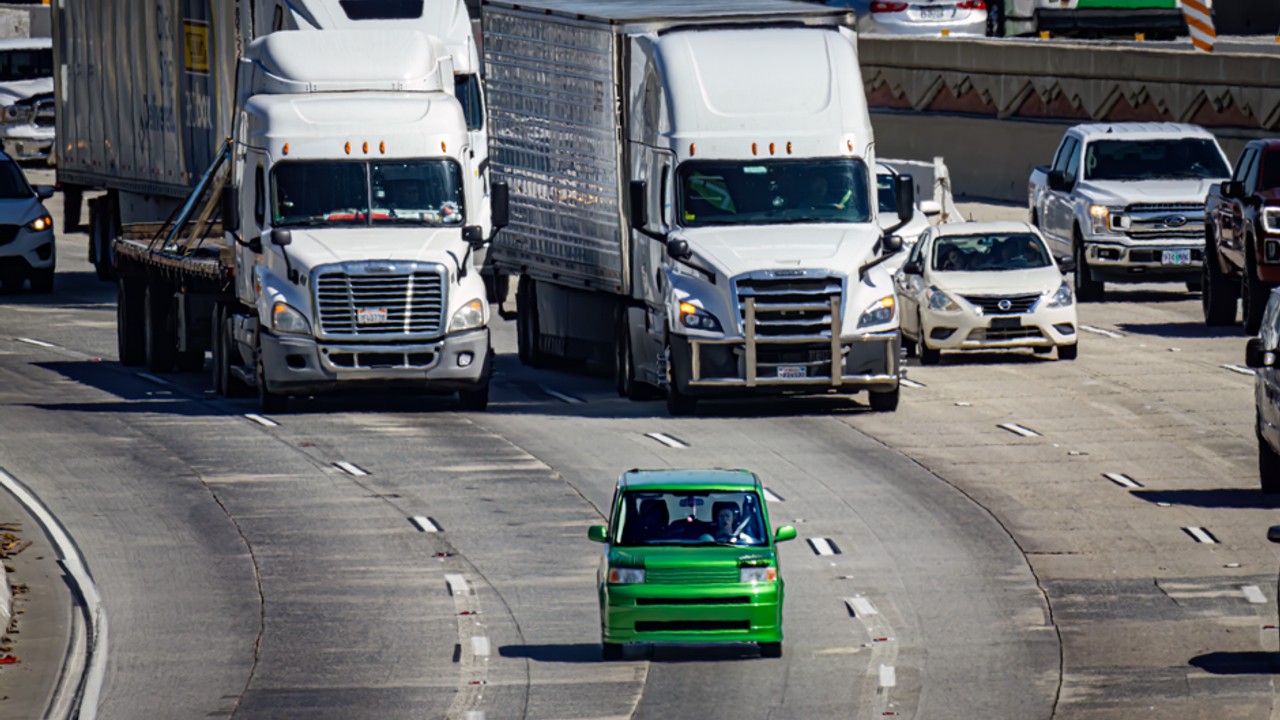
Peak Season Demand: The Summer Rush
The most significant factor impacting summer car shipping is the dramatic increase in demand. Several demographic shifts contribute to this "summer rush":
- Family Relocations: Many families choose to move during the summer months when children are out of school, making it the busiest time for household relocations and, consequently, vehicle transport.
- Student Moves: College students often ship their cars home for the summer or to a new city for internships or university enrollment in the fall.
- Military Transfers: Permanent Change of Station (PCS) orders for military personnel frequently occur during the summer.
- "Snowbird" Migration: While the primary snowbird migration occurs in spring (northbound) and fall (southbound), there”™s a consistent flow of people moving between colder and warmer climates, contributing to overall demand.
- Vacation and Leisure Travel: More people are on the road, increasing overall traffic, and more people are buying and selling vehicles for summer adventures, leading to increased demand for auto shipping services.
This surge in demand directly affects scheduling and pricing. Carriers have a finite number of spots on their trucks. When demand outstrips supply, lead times increase, and flexibility decreases. If you need to ship a car during the summer, especially a state-to-state or cross country shipment, you”™ll need to plan well in advance.
Pricing in Summer
Summer pricing is a classic example of supply and demand economics:
- Higher Base Rates: With more people needing vehicle transport, carriers can charge higher rates due to increased competition for their services.
- Expedited Shipping Premium: If you need your car shipped quickly during the summer, expect to pay a substantial premium. Finding an available spot on an expedited basis is much harder and thus more expensive.
- Booking in Advance is Key: While prices are generally higher, booking your car shipping service weeks, or even a month, in advance can help secure a better rate compared to last-minute bookings.
For those needing door-to-door auto shipping, the summer season means routes are busier and careful coordination with drivers is even more critical due to congested roads and schedules.
The Shoulder Seasons: Spring Thaw and Autumn Transition
The "shoulder seasons" of spring and autumn often offer a middle ground for car shipping, balancing weather stability with fluctuating demand. These periods can present both opportunities and unique challenges.
Spring ”“ Thaw and Renewed Activity
Spring (March to May) is a period of transition, moving away from winter's harshness:
- Melting Snow and Ice: While melting snow is a welcome sign, it can lead to temporary flooding, especially in low-lying areas, and contribute to potholes that can be rough on car carriers.
- Improving Weather: Generally, weather conditions become more predictable and less severe than winter, leading to fewer delays due to storms.
- Gradual Increase in Demand: As the weather improves, demand for car shipping begins to pick up, particularly from "snowbirds" heading north and families planning summer moves. This is often a good time to ship before the peak summer rush.
Prices during spring typically start to rise from their winter lows but are generally more moderate than summer peak rates. This can be an opportune time for those with some flexibility in their schedule.
Autumn ”“ Fall Foliage and "Snowbird" Migration
Autumn (September to November) is another transition period, heading towards winter:
- Favorable Conditions: For much of the country, autumn offers some of the best car shipping weather: cool temperatures, clear skies, and stable road conditions, especially after the summer heat subsides.
- Second Peak in Demand: Like spring, autumn sees a significant surge in demand, primarily due to the "snowbird" migration south. Many people ship their cars from northern states to Florida, Arizona, or other warmer climates for the winter. Students returning to colleges also contribute to this demand.
- Preparation for Winter: There's also a rush to get vehicles out of colder regions before winter storms set in, especially for luxury or classic cars that won't be driven in snow or ice.
Prices in autumn, particularly for popular snowbird routes (e.g., from Michigan to Florida), can be as high as, or even exceed, summer peak rates due to concentrated demand on specific corridors. Booking early is highly recommended for autumn shipments.

Beyond Temperature: Other Weather Factors
While winter cold and summer heat are primary seasonal drivers, other localized and extreme weather events can significantly disrupt car shipping schedules and costs at any time of year.
Hurricanes and Tropical Storms
These powerful storms typically affect coastal regions, particularly the Southeast, Gulf Coast, and parts of the East Coast, from June to November. When a hurricane threat looms:
- Road Closures and Evacuation Routes: Highways leading in and out of affected areas may be closed or become dedicated evacuation routes, making vehicle transport impossible.
- Port Disruptions: If your car shipping involves ports (for international or island transport), hurricane activity can lead to port closures and significant delays.
- Logistical Nightmares: Carriers must reroute, shelter their equipment, and wait out the storm, causing extended delays and increased costs due to standby time and longer routes.
Tornadoes and Severe Thunderstorms
The "Tornado Alley" in the Midwest and other regions experience severe thunderstorms and tornado outbreaks, especially in spring and early summer. While localized, their impact can be intense:
- Sudden Disruptions: Tornadoes can cause immediate road closures, structural damage, and debris, blocking transit routes.
- Hail Damage: Large hail during severe thunderstorms can potentially damage vehicles, though reputable auto transport carriers take precautions and covered trailers (enclosed car carriers) offer more protection.
- Wind and Flooding: High winds and flash flooding can also lead to delays and hazardous driving conditions.
Wildfires
Particularly prevalent in Western states like California, Oregon, and Washington, wildfires are a growing concern:
- Road Closures: Fire-fighting efforts often necessitate closing highways, forcing carriers to take lengthy detours.
- Visibility Issues: Heavy smoke can severely reduce visibility, making driving dangerous and slowing down vehicle transport.
- Air Quality: Prolonged exposure to poor air quality can also be a health concern for drivers.

Practical Tips for Shipping Your Car Seasonally
Navigating the seasonal impacts on car shipping requires a proactive approach. Here are some practical tips to help you ensure a smooth and cost-effective vehicle transport experience, no matter the time of year:
- Book Early, Especially During Peak Seasons: For summer, autumn, and specific high-demand routes, booking your auto shipping 2-4 weeks in advance is highly recommended. This increases your chances of securing a spot at a reasonable rate and allows for flexibility.
- Be Flexible with Dates: If your schedule allows, being flexible with your pickup and delivery dates, even by a few days, can significantly improve your chances of finding a carrier and potentially reduce your costs, especially during challenging weather periods.
- Communicate Proactively with Your Provider: Keep in close contact with your chosen car shipping company. They can provide real-time updates on weather-related delays and adjust plans as needed. At Shipping a Car Cross Country, our team is dedicated to clear and constant communication.
- Understand the Route and Potential Weather: Familiarize yourself with the typical weather patterns of your shipping route during your chosen season. For instance, if shipping services involve crossing mountain passes in winter, prepare for potential delays.
- Prepare Your Vehicle Appropriately:
- Winter: Ensure your car has adequate antifreeze, a full tank of fuel (though not always required by carriers, it's good practice), and that tires are properly inflated.
- All Seasons: Remove all personal belongings from your car. Most carriers only insure the vehicle itself, not its contents. Have only about a quarter tank of gas.
- Consider Enclosed Transport for Sensitive Vehicles: While more expensive, enclosed car carrier service offers superior protection from all weather elements ”“ snow, ice, hail, heavy rain, and harsh sun. This is often recommended for luxury, classic, or antique vehicles. For standard cars, open transport is usually sufficient and more economical.
- Review Insurance Coverage: Understand what your carrier's insurance covers in case of weather-related incidents or delays. Discuss any concerns with your auto shipping professional.
- Compare Quotes: Use tools like our shipping calculator to compare rates and understand how seasonal demand influences pricing. Don't always go for the absolute cheapest option; reliability and reputation are paramount.
Why Choose Shipping a Car Cross Country?
Navigating the complexities of seasonal weather and demand in the auto shipping industry requires experience, a robust network, and a commitment to customer service. At Shipping a Car Cross Country, we pride ourselves on providing reliable, efficient, and transparent vehicle transport solutions throughout the year.
Our team understands the nuances of each season and works tirelessly to minimize the impact of weather and peak demand on your shipment. We leverage our extensive network of vetted and professional car carriers to find the safest and most efficient routes for your vehicle, whether it's a routine state-to-state car shipping or a complex cross country shipping endeavor. Our expertise in door-to-door auto shipping means we coordinate every detail, from pickup to delivery, ensuring your vehicle arrives safely and on time, despite Mother Nature's best efforts.
We believe that informed customers are happy customers. That's why we emphasize clear communication, providing you with updates every step of the way. When you choose us, you're not just getting a car shipping service; you're gaining a partner dedicated to making your vehicle transport experience as smooth and stress-free as possible.
Conclusion
The journey of your vehicle across the country is inextricably linked to the seasons. Winter storms can cause significant delays and drive up costs, while summer heat fuels peak demand, also leading to higher prices and longer lead times. Even the more moderate shoulder seasons of spring and autumn have their own unique patterns of demand and potential weather challenges. Understanding these influences is not just an advantage; it's a necessity for anyone planning to ship a car.
By planning ahead, being flexible, and choosing a reputable partner like Shipping a Car Cross Country, you can mitigate many of the potential headaches associated with seasonal auto shipping. Our commitment to expertise, reliability, and customer satisfaction ensures that your car shipping experience is as predictable and positive as possible, regardless of the forecast.
Don't let seasonal weather patterns or fluctuating demand catch you off guard. Empower yourself with knowledge and choose a car shipping provider that understands the intricate dance between logistics and nature. For a detailed quote tailored to your specific needs and timeline, and to learn more about how we can expertly manage your vehicle transport, visit our website today. Our friendly team is ready to help you plan your next move with confidence.
Ready to ship your car with confidence, come rain or shine? Get your personalized quote from Shipping a Car Cross Country today and experience seamless vehicle transport!