How Do Snowbird Routes Affect Car Shipping Availability and Pricing?
Every year, as the crisp autumn air signals winter's approach in the northern states, a significant migration begins. Millions of "snowbirds" ”” individuals, often retirees, seeking refuge from the cold ”“ pack their bags, hitch up RVs, or, increasingly, arrange for professional car shipping services to transport their vehicles to warmer southern havens. This annual exodus and subsequent return profoundly impact the auto transport industry, creating distinct patterns in both vehicle shipping availability and pricing.
If you're planning a seasonal move, understanding these dynamics is crucial for securing reliable and cost-effective cross country shipping for your vehicle. At Shipping A Car Cross Country, we navigate these seasonal shifts daily, helping our clients understand the best strategies for their unique transport needs. Let's delve into how these snowbird routes shape the landscape of vehicle transport.
Understanding the Snowbird Phenomenon: A Seasonal Migration
The term "snowbird" conjures images of retirees flocking south for the winter, and while that's a significant part of the demographic, the phenomenon is broader. It encompasses anyone who moves seasonally to escape harsh weather conditions, whether for a few months or half the year. These migrations are not random; they follow well-established routes and occur during predictable windows, creating concentrated demand for various services, including auto transport.
Who Are Snowbirds and Where Do They Go?
Typically, snowbirds originate from the Midwest, Northeast, and Pacific Northwest. Their primary destinations are states renowned for their mild winters and abundant sunshine. The most popular snowbird states include:
- Florida: The undisputed champion of snowbird destinations, particularly the Gulf Coast (Sarasota, Fort Myers, Naples) and Southeast (Miami, Palm Beach).
- Arizona: The Phoenix, Tucson, and Yuma areas are major magnets for those seeking dry heat.
- Texas: The Rio Grande Valley, with its low cost of living and warm climate, attracts many.
- California: Southern California's desert regions and coastal cities are popular, albeit often more expensive, destinations.
- Other Southern States: Parts of South Carolina, Georgia, Alabama, and Louisiana also see a significant influx.
The Rhythmic Pulse of Seasonal Migration
The snowbird migration isn't a continuous flow; it's a rhythmic pulse with two distinct peaks:
- Southbound Migration (Fall): From approximately September through November, car carriers are heavily booked transporting vehicles from northern states (e.g., New York, Michigan, Illinois, Massachusetts) down to Florida, Arizona, and other southern destinations. This period sees a massive surge in demand.
- Northbound Migration (Spring): From approximately March through May, the pattern reverses. As temperatures rise in the north, snowbirds begin their journey back home, creating another peak demand period for state-to-state car shipping from the Sunbelt back to the Frostbelt.
These concentrated movements create a fascinating interplay of supply and demand within the auto transport industry.
The Direct Impact on Car Shipping Availability
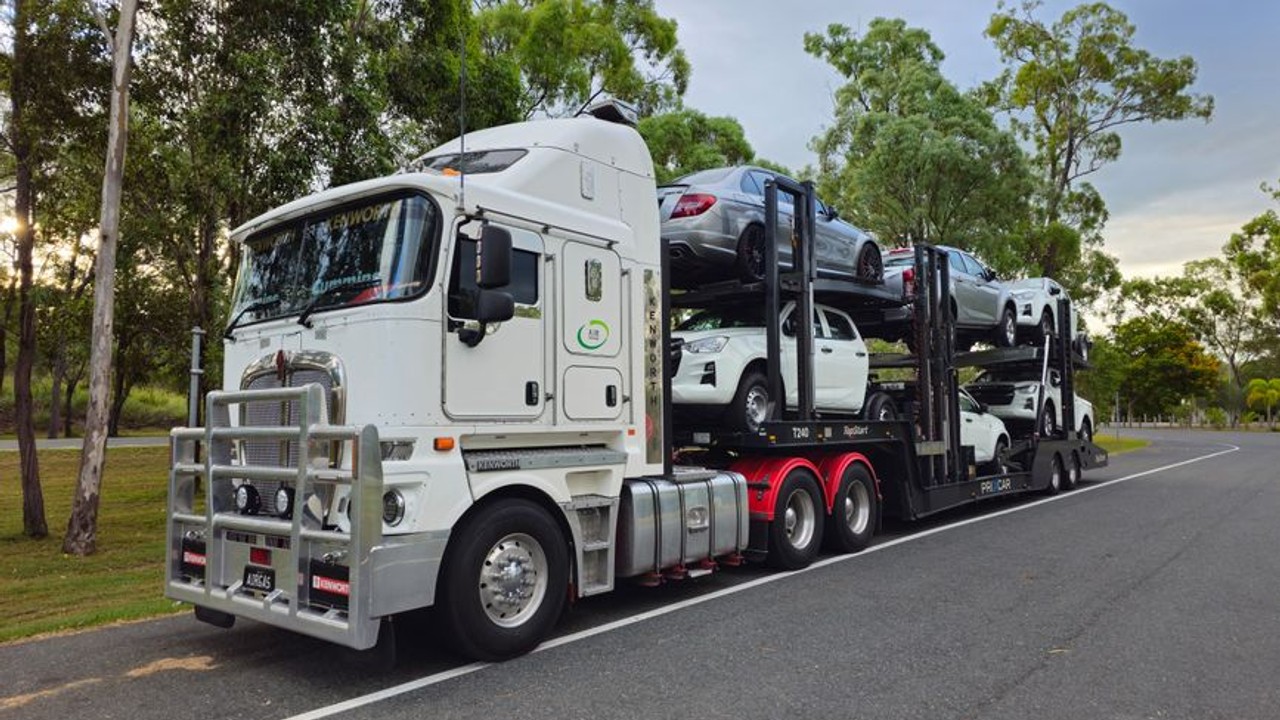
When millions of people decide to move their vehicles along similar routes at the same time, it inevitably strains the capacity of the auto transport network. This surge in demand directly affects how easily and quickly you can get a spot on a car carrier.
Supply and Demand Dynamics: The Core Challenge
The fundamental principle at play here is supply and demand. The number of professional car carrier trucks and qualified drivers is finite. While the industry is robust, it cannot infinitely expand its capacity to meet the concentrated demand of snowbird season. This leads to:
- Reduced Availability: During peak snowbird seasons, carriers' schedules fill up much faster. It becomes harder to find an open spot, especially for specific pickup or delivery dates.
- Longer Lead Times: If you try to book last minute, you might find no availability at all or face significant delays. Carriers prioritize loads booked well in advance.
- Route Congestion: The most popular snowbird corridors become heavily trafficked by car carriers. This can lead to minor delays in transit as drivers navigate more crowded highways and service more pickups and deliveries within concentrated areas.
The "Bottleneck" Effect on Key Routes
Think of major interstates like I-75 (connecting Michigan, Ohio, Kentucky, Tennessee, Georgia, and Florida) or I-40 (East-West through the southern states) during peak snowbird times. These routes become literal bottlenecks for vehicle transport. Car carriers are constantly crisscrossing these arteries, but the sheer volume of vehicles needing transport can overwhelm even the most efficient logistics network.
This congestion doesn't just affect snowbirds; anyone needing door-to-door car shipping along these routes during peak seasons may experience the same challenges in securing timely transport.
How Snowbird Routes Drive Pricing Surges
The impact of snowbird migrations isn't limited to availability; it profoundly influences the cost of auto shipping. Understanding why prices fluctuate is key to budgeting effectively for your seasonal move.
The Economics of Auto Transport: A Bid-Based Market
The auto transport industry, particularly for brokered services like ours, operates on a bid-based system. When you request a quote, we present your shipping needs (route, vehicle type, desired dates) to a network of vetted car carriers. These carriers then bid on your load. Several factors influence their bids:
- Supply and Demand: This is the biggest driver. During peak snowbird seasons, demand for certain routes skyrockets. With more loads than available trucks, carriers can afford to be selective and bid higher.
- Fuel Costs: Trucking is heavily impacted by fuel prices. Carriers factor this into their bids.
- Driver Wages and Regulations: Attracting and retaining qualified drivers is crucial. Operating costs, including driver pay and adherence to strict Hours of Service (HOS) regulations, influence pricing.
- Operational Expenses: Maintenance, insurance, tolls, and other overhead are always part of the equation.
Peak Season Surcharges: The Cost of Convenience
During the busiest snowbird periods (Fall southbound, Spring northbound), it's common to see a significant increase in prices ”“ often 20-40% or even more compared to off-peak rates. This isn't arbitrary; it reflects the market reality:
- High Competition: Many customers are competing for limited space. To ensure your vehicle gets a spot, you might need to offer a higher price that incentivizes a carrier to choose your load over another.
- Urgency: Last-minute bookings during peak times almost always incur a premium. Carriers know you're in a bind and will charge accordingly.
- Balancing Routes: Carriers prefer to have a full load for their entire trip. If a route is heavily imbalanced (e.g., many cars going south, fewer going north in the spring), the southbound rates might be higher to compensate the carrier for the potential of a lighter load on the return trip. This is sometimes referred to as avoiding "deadhead miles" ”“ traveling empty.

Navigating the Snowbird Swirl: Strategic Booking Windows
Understanding the "why" behind pricing and availability is empowering. Now, let's focus on the "how" ”“ how to strategically plan your vehicle transport to mitigate the effects of snowbird season.
The Golden Rule: Book Early!
This cannot be stressed enough. For snowbirds, early booking is the single most effective strategy for securing both a spot and a reasonable price. Here's why:
- Better Rates: By booking in advance, you can often lock in a lower rate before demand drives prices up. Carriers have more flexibility to plan their routes and are less likely to charge a premium for urgency.
- Guaranteed Space: You secure a spot on a reputable carrier's schedule, avoiding the scramble for last-minute availability.
- Flexibility: Early booking allows for more flexibility in choosing your pickup and delivery dates, which can also influence pricing.
Recommended Lead Times: For snowbird routes, we advise booking at least 3-6 weeks in advance of your desired shipping date. For the absolute peak of the season, even earlier (8-12 weeks) can be beneficial.
Understanding Peak Season Timelines
While we've broadly defined Fall and Spring, it's helpful to be more specific:
- Southbound Peak: Typically begins mid-September, intensifies through October, and remains high into early November. Prices generally start climbing in late August/early September.
- Northbound Peak: Usually starts in mid-March, builds through April, and can last into early May. Prices often begin their ascent in late February/early March.
These windows can shift slightly based on specific regional weather patterns or holidays, but they provide a reliable guideline.
Off-Peak Opportunities: Flexibility Pays
If your travel schedule allows for flexibility, considering off-peak shipping can save you money and headaches:
- Mid-Winter Southbound (December/January): After the initial fall rush, demand for southbound routes can dip slightly, offering a brief window of better rates and availability before the spring northbound rush.
- Mid-Summer Northbound (July/August): Similarly, after the spring northbound migration, the summer months can see a lull in demand for northbound routes.
- Shoulder Seasons: Shipping just before or just after the absolute peak can also yield benefits. For instance, shipping south in late August or early September, or north in late May/early June.

Practical Tips for Snowbirds Shipping Their Cars
Beyond strategic booking, there are several practical steps you can take to ensure a smooth and affordable vehicle transport experience, especially during high-demand snowbird seasons.
- Get Multiple Quotes, But Don't Just Pick the Cheapest: Use our online shipping calculator to get an instant quote and then compare it with others. Be wary of quotes that seem significantly lower than the rest; they might indicate a less reliable carrier or hidden fees. Focus on value, reputation, and transparency.
- Be Flexible with Dates: The more flexible you can be with your pickup and delivery dates, the better your chances of securing a spot at a competitive rate. A 3-5 day window for pickup is often standard and more achievable for carriers.
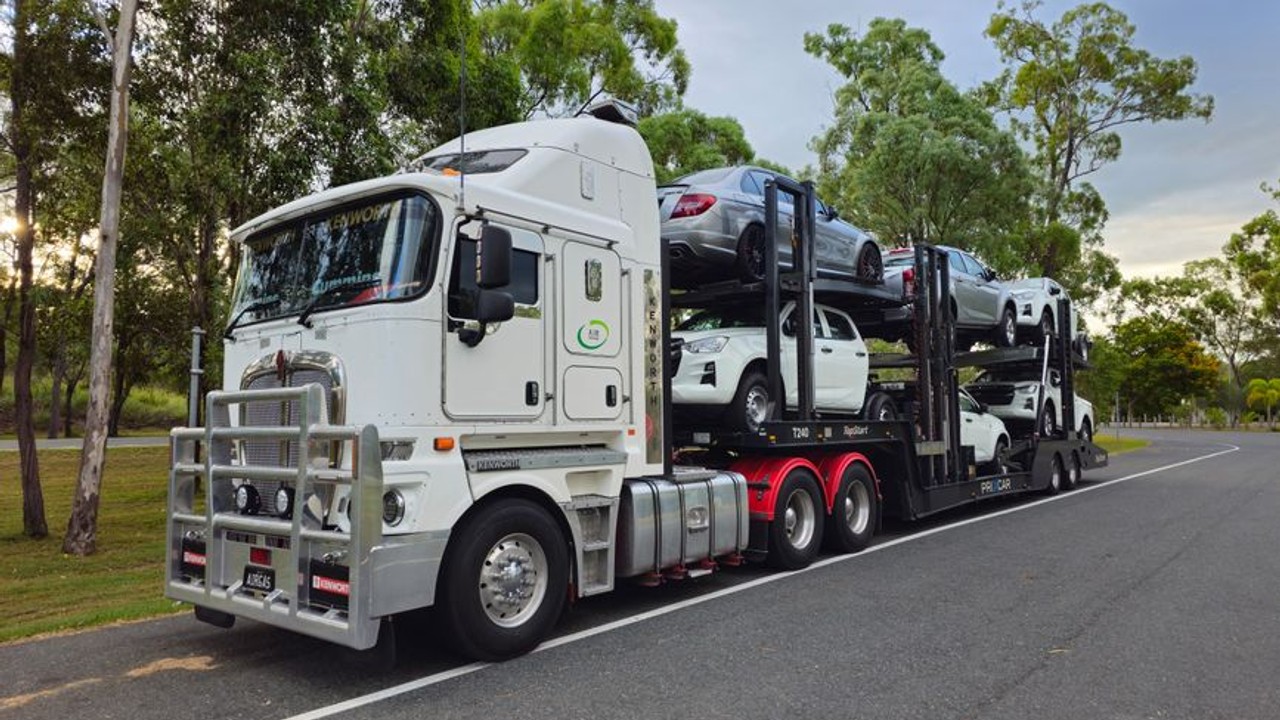
- Consider Open vs. Enclosed Transport: For most snowbirds, open car shipping is the most economical and common choice. Your vehicle will be transported on an open car carrier, similar to those you see on highways. Enclosed transport offers extra protection from elements and road debris but comes at a higher cost, usually reserved for luxury, classic, or antique vehicles.
- Prepare Your Vehicle:
- Clean Your Car: A clean car allows for easier inspection for pre-existing damage.
- Remove Personal Items: Most carriers do not allow personal belongings in the vehicle during transport, as they are not insured. Check your specific contract.
- Check Fluids and Tires: Ensure your battery is charged, tires are properly inflated, and fluids are topped off.
- Leave a Quarter Tank of Gas: Just enough for loading/unloading.
- Disable Alarms: Provide instructions if the alarm cannot be disabled.
- Research Reputable Companies: Look for auto transport companies with extensive experience, positive customer reviews, proper licensing (FMCSA), and comprehensive insurance. Companies like Shipping A Car Cross Country pride themselves on transparency and reliability. You can learn more about us and our commitment to customer satisfaction.
- Communicate Clearly: Provide accurate pickup and delivery addresses, contact information, and any special instructions for your vehicle. Good communication with your chosen transport provider is key to a smooth process. If you have questions, don't hesitate to contact us.
- Understand Your Contract: Read the terms and conditions carefully, including insurance coverage details, payment terms, and cancellation policies.
Beyond Snowbirds: Year-Round Auto Transport Considerations
While snowbird migrations present the most predictable and significant seasonal impact on vehicle transport, it's important to remember that the auto transport industry is dynamic year-round. Other factors can also influence availability and pricing:
- Holidays: Major holidays (Thanksgiving, Christmas, New Year's) often see reduced driver availability and increased demand, leading to higher prices.
- Major Events: Large sporting events, car shows, or concerts in specific regions can temporarily spike demand for local or regional state-to-state auto shipping.
- Weather Events: Blizzards, hurricanes, and severe storms can cause significant delays, re-routing, and temporary unavailability of carriers in affected areas, impacting transit times and potentially prices.
- Economic Factors: Broader economic trends, such as fuel price fluctuations, changes in labor costs, and overall freight demand, constantly influence the base rates of cross country shipping.
Even outside the snowbird rush, planning ahead for any long-distance auto shipping is always a wise decision to ensure the best possible experience and price.

Conclusion: Plan Ahead for a Smooth Snowbird Car Shipping Experience
The annual migration of snowbirds is a beautiful testament to the desire for comfort and sunshine, but it undeniably creates unique challenges and opportunities within the car shipping industry. Understanding how these seasonal movements affect vehicle transport availability and pricing is the first step toward a stress-free experience.
By recognizing the peak seasons, embracing the "book early" mantra, and employing strategic planning, you can navigate the snowbird swirl like a seasoned pro. Whether you're heading south for the winter or returning north for the summer, Shipping A Car Cross Country is here to provide reliable, efficient, and transparent car shipping services.
Don't let the seasonal rush leave you scrambling. Plan your seasonal move with confidence. Get an instant quote today and let us help you transport your vehicle safely and affordably, no matter the season. For more insights and tips, explore our blog.