How Does Shipping a Tesla or Electric Vehicle Differ from Gas-Powered Cars?
The automotive landscape is rapidly evolving, with electric vehicles (EVs) like Tesla, Rivian, Lucid, and an increasing number of mainstream brands charging ahead. As more drivers embrace the silent power and environmental benefits of EVs, a common question arises for those planning a move or purchasing a vehicle remotely: "How does shipping an electric vehicle differ from transporting a traditional gas-powered car?"
At Shipping a Car Cross Country, we've witnessed firsthand the surge in demand for EV car shipping services. While the fundamental goal remains the same ”“ getting your vehicle safely from point A to point B ”“ the unique characteristics of electric cars introduce specific considerations for vehicle transport that set them apart from their internal combustion engine (ICE) counterparts. Understanding these differences is crucial for a smooth, worry-free auto shipping experience.
This comprehensive guide will delve into the nuances of shipping an EV, covering everything from battery charge requirements and specialized loading procedures to carrier certifications and EV-specific insurance considerations. Our goal is to equip you with the knowledge needed to confidently arrange cross country shipping for your cutting-edge electric vehicle.
The Core Differences: EVs vs. ICE Vehicles in Transit
Initial Considerations: More Than Just a Power Source
At a glance, an electric vehicle looks much like any other car. It has wheels, a steering wheel, seats, and a chassis. However, beneath the sleek exterior lies a fundamental difference: the powertrain. Instead of a gas tank and engine, EVs house a large, heavy battery pack and electric motors. This distinction impacts several aspects of auto shipping.
- Weight Distribution: EV batteries are heavy, often distributing weight differently than ICE vehicles.
- Propulsion System: The method of moving the car on and off a car carrier differs, especially if the battery is depleted.
- Thermal Management: Batteries generate heat, requiring careful consideration during transport.
Battery Charge Requirements: The Sweet Spot for Safe Transport
Perhaps the most critical difference when shipping an EV is its battery charge level. Unlike gas cars, which are often shipped with minimal fuel (usually a quarter tank or less for safety and weight), EVs require a specific battery charge percentage to ensure safety and functionality during transit. This isn't just a recommendation; it's a critical safety and operational protocol.
Why the "Sweet Spot" Matters:
- Prevents Overcharging/Thermal Runaway Risk: A fully charged lithium-ion battery can pose a greater risk during long hauls, especially in varying temperatures. While highly engineered to be safe, reducing the charge mitigates potential risks like thermal runaway in extreme, unforeseen circumstances. Some regulations or carrier policies may limit maximum charge.
- Avoids Deep Discharge ("Bricking"): Conversely, a completely depleted EV battery can enter a "deep discharge" state. This can damage the battery, sometimes irrevocably (known as "bricking"), rendering the car inoperable or extremely difficult to recharge. It can also prevent the vehicle from being moved onto or off the carrier under its own power.
- Allows for Movement: Your vehicle needs enough charge to be driven onto and off the transport truck. Drivers are not typically equipped to charge your EV mid-transit. If the battery dies, it complicates loading and unloading significantly, potentially requiring specialized equipment and incurring extra costs.
- Minimizes Regeneration During Towing: Some EVs can generate a small amount of charge when their wheels spin, even when being towed. While typically not significant enough to overcharge, starting with a lower charge provides a larger buffer.
The Recommended Range:Most reputable vehicle transport companies, including our network of carriers, recommend shipping an EV with a battery charge between 20% and 50%. This range provides sufficient power for loading and unloading while minimizing any potential risks associated with a fully charged battery during extended transport. Always confirm the preferred charge level with your specific carrier as part of the booking process.
It is the owner's responsibility to ensure the battery is within the recommended charge range before the carrier arrives for pickup. Failure to do so could lead to delays, additional charges, or even refusal of service if the vehicle cannot be safely loaded or unloaded.

Loading, Securing, and Carrier Logistics for EVs
Weight and Dimensions: A Heavier Load for the Car Carrier
EVs, particularly those with larger battery packs, are often significantly heavier than similarly sized gas-powered vehicles. For example, a Tesla Model 3 can weigh over 4,000 lbs, while some larger EVs like the Hummer EV can tip the scales at over 9,000 lbs. This increased weight has several implications for car carrier operations:
- Carrier Capacity: A car carrier has a maximum weight limit. Heavier EVs might mean fewer vehicles can be transported on a single load, affecting scheduling and pricing.
- Fuel Efficiency: The carrier truck will consume more fuel transporting heavier loads, which can indirectly influence shipping costs.
- Robust Securing: Heavier vehicles require robust tie-downs and securing methods to prevent movement during transit, especially during sudden stops or turns. Carriers must ensure their equipment is rated for the combined weight of the load.
Loading Restrictions and Specialized Equipment
The process of getting an EV onto the transport truck might require extra precautions:
- Ground Clearance: Many EVs, especially performance models or those with large battery packs mounted low in the chassis, have lower ground clearance. This requires careful maneuvering on and off ramps to prevent scraping the undercarriage, which could damage the battery pack.
- Winching for Dead Batteries: What if an EV arrives for pickup with a completely dead battery? While highly discouraged, if it happens, conventional winching might not be safe for all EVs due to their drive systems. Specialized flatbed services equipped with skates or dollies might be needed to move a "bricked" EV, adding complexity and cost. Reputable auto shipping companies will advise strongly against this scenario.
- Safety Protocols: Carriers must be aware of specific jacking points and tow points on various EV models to avoid damaging the battery or other sensitive components.
Software and Transport Mode
Modern EVs are highly computerized, and their software systems often include features that need to be disabled or activated before transport:
- Transport Mode/Tow Mode: Many EVs, especially Teslas, have a "Transport Mode" or "Tow Mode" that must be activated. This mode often disengages the parking brake, disables regenerative braking, and prevents the wheels from locking up unexpectedly, ensuring the vehicle can roll freely and be safely secured.
- Sentry Mode & Alarm Systems: Features like Tesla's Sentry Mode, proximity sensors, or general alarm systems should be disabled to prevent them from draining the battery, activating falsely during transit, and potentially disrupting the driver.
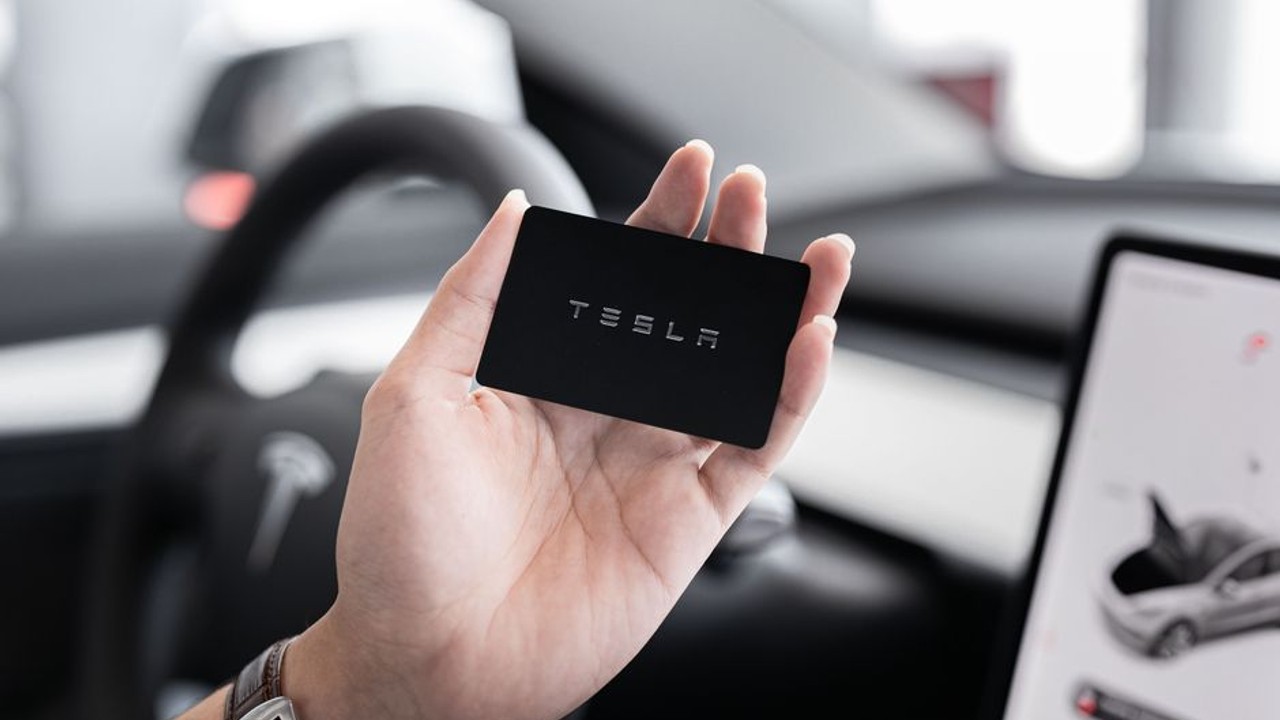
- Auto-Locking and Key Fobs: Ensure the vehicle is unlocked and accessible for the driver, and provide the key fob or card. It's often recommended to place the key in a Faraday bag or a secure, specified location within the vehicle to prevent constant communication with the car, which can drain its 12V auxiliary battery.
Carrier Expertise and Certifications
The Need for Specialized Training
Not all car carrier companies are equally prepared to handle electric vehicles. Given the specific requirements for battery charge, weight distribution, and software settings, choosing a carrier with proven EV experience is paramount. This specialized experience means drivers understand:
- The unique handling characteristics of EVs.
- How to properly secure different EV models to prevent battery damage.
- Protocols for disabling specific EV features before loading.
- Emergency procedures, though rare, related to EV batteries.
Certifications and Best Practices
While there isn't a universally mandated "EV shipping certification" for all drivers, reputable vehicle transport companies like Shipping a Car Cross Country partner with carriers who demonstrate a commitment to best practices. This includes:
- Driver Training: Carriers should invest in training their drivers on EV specifics, including understanding different brands' unique requirements (e.g., Tesla vs. Porsche Taycan).
- Equipment Compatibility: Ensuring their loading ramps, tie-down equipment, and winches are suitable for the increased weight and specific undercarriage designs of EVs.
- Safety Protocols: Adherence to safety standards for handling high-voltage batteries, even in a transport context. While lithium-ion batteries themselves aren't classified as hazardous materials for routine transport in finished vehicles, a carrier's understanding of battery technology enhances safety.
When you choose Shipping a Car Cross Country, you're opting for a service that vets its network of carriers for their experience and capability in handling high-value and specialized vehicles, including the latest EVs. We ensure our partners are well-versed in the nuances of door-to-door auto shipping for all types of electric cars.
Insurance and Protection for Your EV
Standard Auto Transport Insurance Coverage
When you ship any vehicle, standard carrier liability insurance is typically included. This insurance generally covers damage to your vehicle that occurs directly due to the carrier's negligence during loading, transit, or unloading. This includes incidents like:
- Collision with another vehicle or object while on the carrier.
- Fire or theft while in the carrier's possession.
- Damage caused by improper securing or mishandling by the carrier.
However, it's crucial to understand what this typically *doesn't* cover: pre-existing damage, mechanical failures unrelated to transit, acts of God (e.g., hail, floods, tornadoes), or personal items left inside the vehicle.
EV-Specific Insurance Considerations
Electric vehicles often represent a higher initial investment compared to many ICE vehicles, making robust insurance coverage even more critical. When shipping an EV, consider these points:
- Higher Valuation: Given the often higher purchase price of EVs, ensure that the carrier's liability coverage limits are sufficient to cover the full value of your vehicle in case of a total loss. If the carrier's default coverage is insufficient, discuss options for increased coverage or supplemental policies.
- Battery Damage: The battery pack is the most expensive single component of an EV. Clarify with both your personal auto insurance provider and the auto transport company's insurance policy whether specific damage to the battery pack (e.g., from an impact during transit, or issues related to extreme temperatures if applicable) is covered and to what extent.
- Thermal Runaway/Fire: While extremely rare in properly maintained and transported EVs, the possibility of a battery fire (thermal runaway) is a unique risk to electric vehicles. Confirm with the carrier's insurance policy what coverage exists for such an event and subsequent damage to your vehicle or other vehicles on the transport.
- Personal Auto Insurance & "In-Transit" Coverage: Always contact your personal auto insurance provider before shipping your EV. Inquire about their "in-transit" policy. Some policies may offer coverage while your car is being transported by a third party, potentially supplementing the carrier's coverage. It's better to have overlapping coverage than a gap.
- Supplemental Cargo Insurance: For high-value EVs, you might consider purchasing supplemental cargo insurance, either through the auto shipping broker or a third-party insurer. This can provide "all-risk" coverage, offering broader protection than the standard carrier liability.
Documenting your EV's condition thoroughly with photos and videos immediately before pickup is a crucial step for any insurance claim, regardless of vehicle type.

Preparing Your EV for Cross-Country Shipping: A Pre-Shipping Checklist
A well-prepared EV leads to a smoother shipping experience. Here”™s a checklist to ensure your electric vehicle is ready for its journey:
- 1. Clean Your EV: Wash your car thoroughly, both inside and out. This makes it easier to conduct a clear pre-shipping inspection and note any existing scratches, dents, or damage.
- 2. Document Condition: Take clear, dated photos and videos of your entire vehicle, paying close attention to any pre-existing damage, inside and out. This documentation is vital for your records and any potential insurance claims.
- 3. Check Battery Charge: Ensure your EV's battery is charged to the recommended 20-50% level. Confirm the exact percentage with your chosen carrier.
- 4. Remove Personal Items: Auto transporters are only licensed to carry vehicles, not household goods. Remove all personal belongings, chargers, loose items, and valuables from your EV. These are not covered by carrier insurance.
- 5. Disable Specific Features:
- Activate "Transport Mode" or "Tow Mode" if your EV has one.
- Disable Sentry Mode, Guardian Mode, or any similar security features that use cameras or sensors.
- Turn off any automatic parking brakes, alarms, or GPS tracking features that could interfere with transport or drain the battery.
- 6. Provide Keys/Fob: Hand over one set of keys or a key card to the driver. It”™s often recommended to place the key fob in a secure location within the car (e.g., glove compartment) or in a Faraday bag if you wish to prevent continuous communication that might drain its battery.
- 7. Inform Carrier of Quirks: If your EV has any unusual starting procedures, aftermarket modifications, or known quirks, inform the carrier beforehand.
- 8. Review Terms: Understand the Bill of Lading, inspection report, and the carrier's insurance policy before signing.
Why Choose Shipping a Car Cross Country for Your EV Transport?
Shipping a modern electric vehicle requires a partner who understands its unique demands. At Shipping a Car Cross Country, we pride ourselves on being at the forefront of the vehicle transport industry, continuously adapting our services to meet the evolving needs of our clients, including the growing EV market.
When you choose us for your Tesla or other EV cross country shipping, you benefit from:
- Expertise in EV Logistics: Our network of carriers is experienced in handling electric vehicles, understanding the critical requirements for battery charge, special loading, and software settings.
- Commitment to Safety: We prioritize the safe and secure transport of your EV, partnering with carriers who adhere to the highest industry standards and utilize appropriate equipment.
- Vetted Carrier Network: We carefully vet all our partners to ensure they possess the necessary experience, training, and equipment for reliable car shipping of all vehicle types, including high-value EVs.
- Comprehensive Service: Whether you need state-to-state auto shipping or door-to-door vehicle transport, we offer a streamlined process designed for your peace of mind.
Conclusion
Shipping an electric vehicle like a Tesla is generally as straightforward as shipping a gas-powered car, provided you understand and adhere to the specific requirements. The key differences lie in battery charge management, specific loading considerations due to weight and software, and the importance of choosing a carrier with EV experience. By following the guidelines for battery charge, preparing your vehicle properly, and partnering with a reputable auto shipping company, you can ensure your EV arrives at its destination safely and efficiently.
Don't let the nuances of EV transport deter you. With the right preparation and the expertise of Shipping a Car Cross Country, your electric vehicle's journey will be as smooth as its ride. Ready to ship your Tesla or EV?
Get an instant quote today and experience the difference of professional, reliable car shipping designed for the future of automotive transport. If you have any questions, feel free to contact us!