Is It Cheaper to Drive My Car Cross-Country or Ship It? (Complete Cost Breakdown)
Planning a cross-country move or an extended vacation? One of the biggest logistical questions you'll face is what to do with your car. Should you embark on an epic road trip, or is it more economical and practical to use a professional car shipping service? This isn't just a simple calculation of gas money versus a shipping quote; it's a complex equation involving time, wear-and-tear, unexpected expenses, and personal preference.
At Shipping a Car Cross Country, we understand the intricacies of shipping a car across the country. Our goal with this comprehensive guide is to empower you with a detailed cost breakdown, enabling you to make the most informed decision for your specific situation. We'll explore the real costs of both driving and shipping, offering practical insights and real-world scenarios.
The Great Debate: Driving Your Car vs. Shipping It
The choice between driving and shipping often comes down to more than just the sticker price. While driving might *seem* cheaper upfront, there are many hidden costs and intangible factors that can quickly add up. Conversely, vehicle transport offers convenience and peace of mind, but it comes with a direct cost that needs careful consideration.
Why the Decision Matters
- Budget: Every dollar counts during a move or trip. Understanding the full financial impact is crucial.
- Time: Your time is valuable. Driving takes days, sometimes weeks, while shipping frees up your schedule.
- Vehicle Condition: Long drives can take a toll on your car, potentially leading to maintenance issues and depreciation.
- Stress & Safety: Road trips can be exhilarating, but also stressful and carry inherent risks.
Let's dive into the numbers and explore each option in detail.
The True Cost of Driving Your Car Cross-Country
Driving your car across the country involves more than just filling up the gas tank. Here's a comprehensive breakdown of the expenses you'll likely incur, along with some realistic calculations.

1. Fuel Costs: The Most Obvious Expense
This is often the first and most underestimated cost. Gas prices fluctuate, and your vehicle's fuel efficiency plays a huge role. For our calculations, we'll assume an average fuel efficiency of 25 miles per gallon (MPG) and an average gas price of $3.50 per gallon.
- Calculation: (Total Miles / MPG) * Price per Gallon
2. Accommodation: Where Will You Sleep?
Unless you're planning to sleep in your car or have friends/family along the entire route, you'll need hotels. A comfortable, safe hotel can average around $150 per night. The number of nights depends on the distance and your daily driving limits.
- Typical Driving Pace: Most people can comfortably drive 400-500 miles per day (approximately 7-9 hours), including stops.
3. Food & Beverages: Eating on the Road
Road trip food can range from fast food to sit-down meals. Even if you're budget-conscious, you'll need to account for meals, snacks, and drinks. Budgeting around $75 per day per person for food is a reasonable estimate.
4. Wear and Tear: The Hidden Depreciation
This is a significant hidden cost. Every mile you put on your car contributes to wear and tear on tires, brakes, fluids, and various mechanical components. The more miles, the closer you get to your next maintenance appointment, or worse, an unexpected repair. Experts estimate wear and tear can cost anywhere from $0.10 to $0.20 per mile. We'll use a conservative average of $0.15 per mile for our breakdown.
- Impact: Increased mileage can also reduce your car's resale value.
- Services: You might need an oil change, tire rotation, or even new tires sooner than anticipated.
5. Unexpected Expenses & Miscellaneous
Life on the road is unpredictable. Budget for things like:
- Tolls: Many interstates and bridges have tolls that can quickly add up, especially in the Northeast or specific corridors.
- Roadside Assistance: A flat tire, dead battery, or minor breakdown can incur towing or repair costs.
- Parking Fees: If you stop in cities, parking garages or meters will add to your expenses.
- Entertainment: Snacks, coffees, tourist traps, or even just a good audiobook can contribute to your budget.
A daily allowance of $50 for tolls and miscellaneous expenses is a good starting point.
6. The Value of Your Time: An Often Overlooked Cost
Your time has monetary value. If you take time off work to drive your car, that's lost income. Even if you don't take time off, the opportunity cost of spending days driving instead of working, preparing for your move, or spending time with family is significant. Let's assume an average hourly wage of $25 per hour.
- Calculation: (Total Driving Hours) * Hourly Wage
7. Insurance Considerations
While your existing auto insurance policy typically covers you for long drives, it's worth checking your coverage limits for roadside assistance and rental car reimbursement in case of a breakdown far from home.
8. Emotional and Physical Toll
Beyond the dollars, driving cross-country can be physically exhausting and mentally draining. Fatigue can impair judgment and increase accident risk. The stress of navigation, traffic, and sticking to a schedule can take a toll.
The Cost of Shipping Your Car Cross-Country
Choosing professional auto shipping offers a different set of costs and benefits. While there's a direct quote involved, you gain immense convenience and peace of mind.
1. Base Shipping Cost: What Influences the Price?
The price for cross country car shipping varies based on several key factors:
- Distance: Longer distances generally mean higher total costs, but the per-mile rate often decreases.
- Vehicle Type: Larger, heavier, or modified vehicles (trucks, SUVs, vans, classic cars) cost more to transport than standard sedans.
- Open vs. Enclosed Transport:
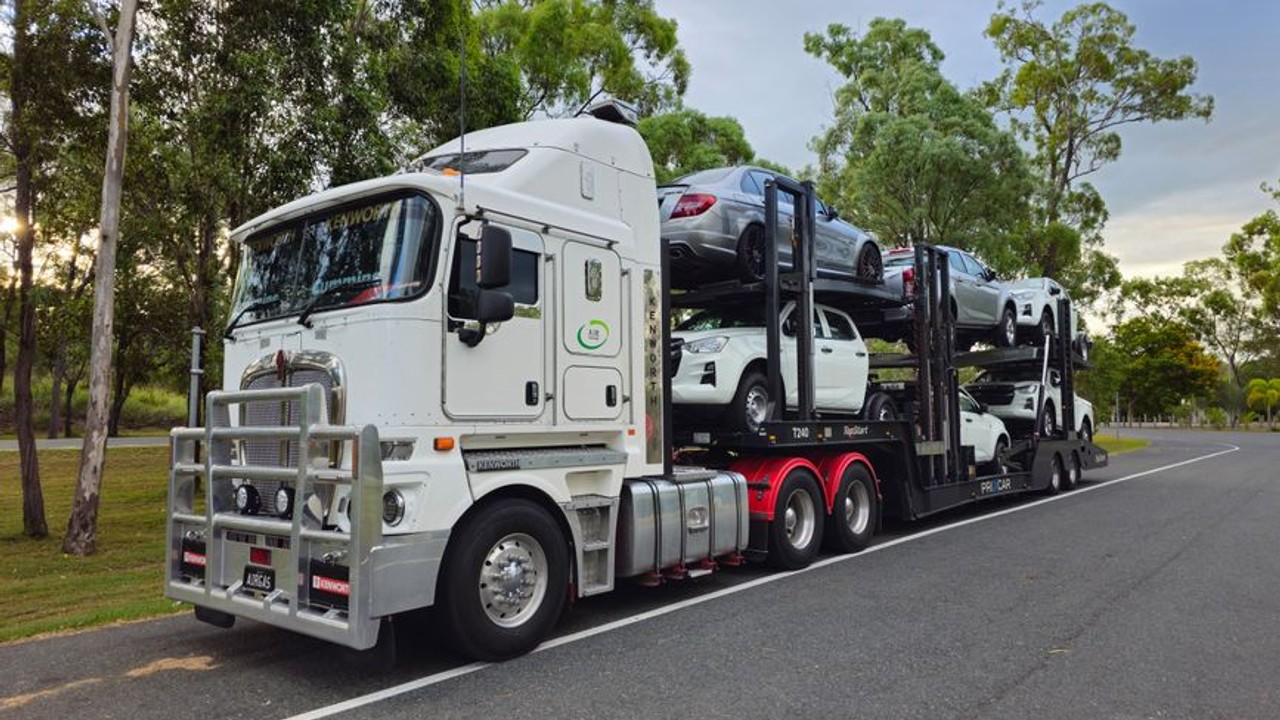
- Open Car Carrier: This is the most common and economical option. Your car will be transported on an open trailer, exposed to the elements, similar to how new cars are delivered to dealerships.
- Enclosed Car Carrier: This premium option provides full protection from weather, road debris, and theft. It's ideal for luxury, classic, or antique vehicles. Expect to pay 30-50% more for enclosed transport.
- Time of Year: Peak moving seasons (summer) and holidays can drive up prices due to higher demand.
- Route Popularity: Shipping between major metropolitan areas or popular routes is often more affordable than to remote locations.
- Door-to-Door Service: Most reputable vehicle transport companies offer door-to-door car shipping, where your vehicle is picked up and delivered as close as legally and safely possible to your specified addresses. This is included in most quotes.
For our cost breakdown, we'll use estimates for standard vehicles on an open car carrier, which is the most common choice.

2. Insurance Coverage for Shipped Cars
Reputable auto shipping companies, like Shipping a Car Cross Country, include cargo insurance in their service. This insurance covers your vehicle for damage during transit. It's crucial to:
- Understand Coverage Limits: Confirm the deductible and maximum coverage amount with your chosen carrier.
- Document Condition: Thoroughly inspect your vehicle and take photos before pickup and after delivery.
- Personal Items: Generally, personal items are not covered by the carrier's insurance, and it's recommended not to pack anything valuable in your car during shipping.
3. The Convenience and Peace of Mind Factor
While not a direct dollar cost, the value of convenience is immense:
- Time Savings: You save days, even weeks, of driving, allowing you to fly to your destination, focus on other moving tasks, or simply enjoy your journey without the stress of the road.
- Reduced Stress: No navigating unfamiliar roads, no worry about breakdowns, no fatigue.
- Vehicle Protection: Your car accumulates zero new miles, preventing additional wear and tear, and preserving its resale value.
- Safety: You avoid the risks associated with long-distance driving.
Real-World Cost Breakdown & Comparison
Let's put these factors into action with three common cross-country scenarios. Our driving costs assume one driver.
Assumptions for Driving Costs:
- Gas: 25 MPG @ $3.50/gallon
- Hotel: $150/night
- Food: $75/day
- Wear & Tear: $0.15/mile
- Tolls/Misc: $50/day
- Time Value: $25/hour (average 60 mph driving speed, 8 hours driving/day)
Scenario 1: Short-to-Medium Distance (e.g., 1,000 Miles - Chicago, IL to Denver, CO)
Driving Time: ~17 hours (2 days travel, 1 hotel night)
Driving Costs:
- Gas: (1000 miles / 25 MPG) * $3.50/gal = $140
- Hotel: 1 night * $150/night = $150
- Food: 2 days * $75/day = $150
- Wear & Tear: 1000 miles * $0.15/mile = $150
- Tolls/Misc: 2 days * $50/day = $100
- Time Value: 17 hours * $25/hour = $425
- TOTAL DRIVING COST: ~$1,115
Shipping Costs (Open Carrier Estimate):
- Average Shipping Cost: $700 - $1,200
Comparison:
For this shorter distance, driving and shipping costs are somewhat comparable. If your time is highly valued, or if you prefer to avoid the wear on your vehicle, shipping might still be the more attractive option. However, for those on a tight budget with flexible time, driving might be slightly cheaper if you minimize hotel and food costs.
Scenario 2: Long Distance (e.g., 2,000 Miles - New York, NY to Houston, TX)
Driving Time: ~34 hours (4-5 days travel, 3-4 hotel nights)
Driving Costs:
- Gas: (2000 miles / 25 MPG) * $3.50/gal = $280
- Hotel: 3 nights * $150/night = $450
- Food: 4 days * $75/day = $300
- Wear & Tear: 2000 miles * $0.15/mile = $300
- Tolls/Misc: 4 days * $50/day = $200
- Time Value: 34 hours * $25/hour = $850
- TOTAL DRIVING COST: ~$2,380
Shipping Costs (Open Carrier Estimate):
- Average Shipping Cost: $1,000 - $1,500
Comparison:
Here, the scales begin to tip significantly. Driving 2,000 miles means several days away from work or other responsibilities, multiple hotel stays, and substantial wear on your vehicle. The convenience and lower total cost of state-to-state car shipping become much more apparent. This is where shipping across country often proves to be the more economical choice once all factors are considered.
Scenario 3: Cross-Country (e.g., 3,000 Miles - Los Angeles, CA to Miami, FL)
Driving Time: ~50 hours (6-7 days travel, 5-6 hotel nights)
Driving Costs:
- Gas: (3000 miles / 25 MPG) * $3.50/gal = $420
- Hotel: 5 nights * $150/night = $750
- Food: 6 days * $75/day = $450
- Wear & Tear: 3000 miles * $0.15/mile = $450
- Tolls/Misc: 6 days * $50/day = $300
- Time Value: 50 hours * $25/hour = $1,250
- TOTAL DRIVING COST: ~$3,620
Shipping Costs (Open Carrier Estimate):
- Average Shipping Cost: $1,200 - $1,800
Comparison:
For true cross-country distances, the financial and practical benefits of professional car shipping are undeniable. The cumulative costs of gas, hotels, food, and especially your lost time and vehicle wear and tear, far exceed the cost of shipping. This is the scenario where vehicle transport services shine, offering an efficient, cost-effective, and stress-free solution for relocating your car.
Factors Beyond Dollars and Cents
While cost is a primary consideration, several non-monetary factors can heavily influence your decision:
- Your Vehicle's Condition: Is your car old, unreliable, or a classic? Driving it 2,000+ miles might put it at risk or cause significant issues. Shipping protects your investment.
- Time Constraints: Do you have days or weeks to spare for a road trip? Or do you need to be at your destination quickly?
- Personal Preference: Do you genuinely enjoy long road trips? Or do you find them stressful and tiring?
- Number of Vehicles: If you're moving multiple vehicles, shipping them together with an auto shipping company is almost always more cost-effective than driving them separately or with multiple drivers.
- Relocation Stress: Moving is already one of life's most stressful events. Removing the task of driving your car can significantly reduce your overall burden.
- Safety: Long drives, especially through unfamiliar areas, can present safety risks related to fatigue, weather, and road conditions.

Tips for Making Your Decision
- Be Honest About Hidden Costs: Don't just factor in gas. Account for hotels, food, tolls, and especially your time and potential vehicle wear and tear.
- Get a Detailed Shipping Quote: Use our online shipping calculator or contact us directly for an accurate quote tailored to your specific needs. Be transparent about your vehicle type and desired timeline.
- Consider Your Timeline: If you have ample time and want an adventure, driving might appeal. If you're on a tight schedule, shipping is your best bet.
- Assess Your Vehicle's Reliability: Is your car in peak condition for a long journey, or could a cross-country drive push it over the edge?
- Think About Your Energy Levels: A multi-day drive can be exhausting. Consider if you'll arrive refreshed and ready for your new destination, or worn out.
Why Choose Shipping a Car Cross Country?
At Shipping a Car Cross Country, we pride ourselves on being a leading provider of reliable and efficient car shipping and vehicle transport services. We understand that your vehicle is a significant investment, and we treat it with the utmost care. Our network of professional car carrier partners ensures safe and timely delivery, whether you need state-to-state auto shipping or door-to-door service across the nation.
We offer:
- Transparent Pricing: No hidden fees, just clear, competitive quotes.
- Experienced Carriers: Vetted and insured carriers dedicated to secure transport.
- Exceptional Customer Service: Our team is here to guide you through every step of the auto shipping process.
- Convenience: We handle the logistics so you can focus on your move.
Conclusion
The question of whether it's cheaper to drive your car cross-country or ship it doesn't have a one-size-fits-all answer. For shorter distances and if your time is truly free, driving might narrowly win on a purely superficial cost basis. However, as the miles increase, the hidden costs of driving ”“ especially the value of your time, wear and tear on your vehicle, and the cumulative expenses of hotels and food ”“ quickly make professional car shipping the more economical and certainly the more convenient option.
Before you commit to either option, conduct your own calculations based on your specific vehicle, preferred travel style, and most importantly, the true value of your time. For most people undertaking a long-distance relocation, the peace of mind, time savings, and protection for their vehicle offered by professional vehicle transport services outweigh the perceived savings of a solo cross-country drive.
Ready to make an informed decision? Don't let hidden costs surprise you. Get a free, no-obligation quote today from Shipping a Car Cross Country and discover how affordable and convenient auto shipping can be for your next big move!
Visit our website or call us directly to get started: Shipping a Car Cross Country.