Navigating the Tax Implications of Car Shipping for Your Cross-Country Move
Moving across the country is an adventure that brings with it a host of logistical challenges and financial considerations. Among these, deciding how to transport your vehicle””and understanding the potential tax implications of that decision””is a critical piece of the puzzle. Whether you're relocating for a new job, a military Permanent Change of Station (PCS), or moving a company asset, the costs associated with car shipping can sometimes offer tax advantages. At Shipping a Car Cross Country, we don't just move vehicles; we empower you with the knowledge to make informed decisions throughout your relocation journey. This comprehensive guide will delve into the nuances of tax deductions related to vehicle transport, helping you understand who qualifies, what documentation is required, and how to navigate the complex world of IRS regulations. Let”™s explore how your cross country shipping costs might impact your tax return.Understanding Moving Expense Deductions: A Historical Context
For many years, moving expenses, including the cost of auto shipping, were broadly deductible for taxpayers who met certain distance and time tests. However, the landscape significantly changed with the Tax Cuts and Jobs Act (TCJA) of 2017. Under current federal tax law (effective for tax years 2018 through 2025), the deduction for moving expenses is largely suspended for most taxpayers. This means that if you're a civilian moving for a new job or personal reasons, you generally *cannot* deduct the cost of shipping your car, even if your employer doesn't reimburse you. However, there's a crucial exception that continues to provide relief for a specific group of taxpayers.Tax Deductions for Job Relocations: A Niche Eligibility
While the general moving expense deduction is on hiatus for most, there's a significant carve-out that still allows certain individuals to claim these expenses, including the cost of shipping a vehicle.Who Qualifies? Active-Duty Military Personnel
The primary beneficiaries of the current moving expense deduction are active-duty members of the U.S. Armed Forces. If you are a member of the U.S. Armed Forces on active duty and you move due to a permanent change of station (PCS), you may be able to deduct unreimbursed moving expenses. This is a critical distinction that impacts a substantial number of individuals and families who rely on professional car shipping services. For eligible military personnel, the move must be due to a PCS. A PCS includes moves from:
- Your home to your first post of active duty.
- One permanent post of duty to another.
- A permanent post of duty to your home or a closer point in the United States, if you are retiring or terminating active duty.
What Car Shipping Costs Are Deductible for Military?
If you qualify as an active-duty military member undergoing a PCS, several categories of moving expenses become deductible, including those related to your vehicle. Specifically, you can deduct the reasonable expenses of:- Shipping Household Goods and Personal Effects: This includes the cost of packing, crating, and transporting your possessions, and crucially, one privately owned vehicle (POV).
- Travel Expenses to Your New Home: This covers the cost of transportation and lodging for you and members of your household while moving from your old home to your new home. This typically includes mileage for driving your second vehicle or travel for family members.
Key IRS Criteria for Military Relocation Deductions
To ensure your deduction is valid, keep these points in mind:- Permanent Change of Station (PCS): The move must be directly related to an official PCS order.
- Active Duty: You must be an active-duty member of the U.S. Armed Forces.
- Unreimbursed Expenses: Only expenses that are *not* reimbursed by the government are deductible. If the military pays for your vehicle transport, you cannot deduct it.
Business Vehicle Transport: A Different Set of Rules
When it comes to shipping a vehicle for business purposes, the tax implications operate under a separate framework than personal moving expenses. Businesses often incur costs for vehicle transport, and these can typically be deducted as ordinary and necessary business expenses.When is Car Shipping a Business Expense?
Several scenarios qualify car shipping as a legitimate business expense:- Relocating Company Vehicles: If your business needs to move a company-owned car, truck, or fleet vehicle from one business location to another, the shipping costs are deductible.
- Transporting Vehicles for Sale or Auction: Car dealerships, classic car restorers, or individuals selling high-value vehicles often ship them to buyers or auction houses. These transport costs are direct expenses related to the sale.
- Moving Specialized Equipment or Fleet Vehicles: Businesses that use specialized vehicles (e.g., construction vehicles, mobile labs, food trucks) and need to move them cross-country will find these shipping costs deductible.
- Employee Relocation (Company Paid): If a business pays for an employee's car shipping as part of a relocation package, the business can deduct this expense. However, for the employee, this reimbursement is generally considered taxable income unless they are active-duty military.
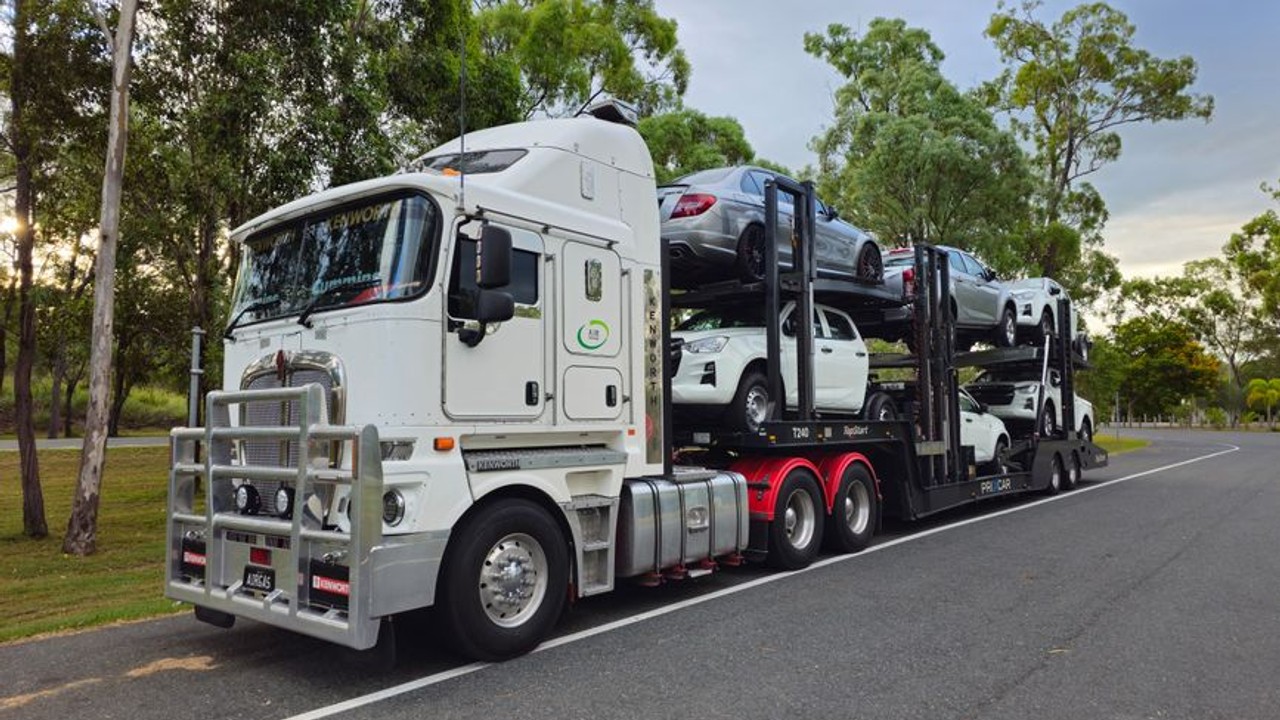
Deductible Business Shipping Expenses
For businesses, the range of deductible expenses related to vehicle transport can include:- Direct Transport Costs: The fee paid to the car carrier for moving the vehicle.
- Transit Insurance: Any additional insurance purchased to protect the vehicle during transit, beyond the carrier's basic liability.
- Temporary Storage: If the vehicle needs temporary storage at the origin or destination before or after transport for business reasons.
- Logistical Fees: Any fees associated with customs, port services, or specialized handling for business-related transport.
Key Considerations for Businesses
* Ordinary and Necessary: The expense must be directly related to your business operations. * Documentation: Just like personal deductions, thorough record-keeping is crucial. Keep all invoices, contracts, and proof of payment. * Employee vs. Independent Contractor: If you're an independent contractor using your vehicle for business, you might include shipping costs as part of your overall business expenses on Schedule C. * Capitalization: In some cases, if the vehicle transport is part of acquiring a new asset, the shipping cost might be capitalized (added to the cost basis of the asset) rather than expensed immediately. Consult with a tax professional for specific guidance.Practical Tip: Always keep business and personal expenses separate. Use a dedicated business account for all auto shipping payments related to your company to simplify tracking and documentation.The Impact of State and Local Taxes on Vehicle Transport
While the federal tax implications focus on the deductibility of car shipping services, it's also important to be aware of state and local taxes that might arise when you move a vehicle cross-country. These are generally *not* deductible as moving expenses at the federal level, but they are crucial costs to budget for. When your vehicle arrives in its new state, you'll likely encounter:
- Sales Tax or Use Tax: If you've just purchased a vehicle and are shipping it to a new state, you might owe sales tax in the state where you register it, or a "use tax" if you purchased it out-of-state. Some states offer credits for sales tax paid in another state.
- Vehicle Registration Fees: Every state requires you to register your vehicle and pay annual or biennial fees. These vary significantly by state and can sometimes be substantial.
- License Plate Fees: Often included with registration, these are fees for your new license plates.
- Emissions Testing/Inspections: Many states require vehicles to pass emissions tests or safety inspections before they can be registered.
IRS Documentation Requirements: Your Paper Trail is Gold
Regardless of whether you're active-duty military or a business owner, proper documentation is the cornerstone of substantiating any tax deduction. The IRS emphasizes that taxpayers are responsible for proving their entitlement to deductions. For car shipping and related moving expenses, this means a meticulous approach to record-keeping.Essential Documents to Keep
To support your claim for deductible vehicle transport expenses, make sure you retain the following:- Shipping Invoices and Receipts: From Shipping a Car Cross Country or any other auto transport provider. These should clearly detail the services rendered, the cost, and proof of payment.
- Bill of Lading (BOL): This is the contract between you and the car carrier, detailing the vehicle's condition, pickup/delivery locations, and terms of service. It's a vital record of the transport.
- Proof of Active-Duty Military Status/PCS Orders: For military personnel, official orders from the Department of Defense are essential to prove eligibility for the moving expense deduction.
- Employer Reimbursement Policies and Records: If your employer provides any reimbursement for your move or auto shipping, keep records of these policies and any payments received. This helps clarify what expenses were unreimbursed.
- Mileage Logs and Travel Receipts: If you drove a second vehicle or incurred travel expenses for yourself and your family as part of a deductible military move, detailed mileage logs and receipts for lodging, tolls, and gas are necessary.
- Proof of Payment: Bank statements, credit card statements, or canceled checks that clearly show the payment made for the shipping services.

Why Meticulous Record-Keeping Matters
* Audit Protection: In the event of an IRS audit, having clear, organized documentation is your best defense to prove the legitimacy of your deductions. * Accurate Tax Filing: Good records ensure you don't miss any eligible deductions and prevent errors that could lead to penalties. * Maximizing Eligible Deductions: By tracking all expenses, you ensure you claim every dollar you are legally entitled to. We understand the importance of clear financial records. When you choose Shipping a Car Cross Country, we provide detailed invoices that make your record-keeping process straightforward. If you have any questions about our services or need documentation, don't hesitate to contact us.Frequently Asked Questions About Car Shipping and Taxes
Here are some common questions our clients ask regarding the tax implications of car shipping:Q: Can I deduct shipping my second car for a military PCS?
Generally, the IRS allows for the deduction of shipping "one privately owned automobile" for a military PCS move. While you can certainly ship multiple vehicles with Shipping a Car Cross Country, only the cost of transporting one vehicle is typically deductible. Any costs for additional vehicles would be out-of-pocket and not deductible.
Q: What if my employer reimburses me for car shipping costs?
If your employer reimburses you for car shipping costs and you are a civilian, this reimbursement is generally considered taxable income to you. The employer can deduct it as a business expense, but it will appear on your W-2 as part of your wages. If you are active-duty military and your employer (the military) reimburses you, you cannot deduct those specific reimbursed expenses.
Q: Are insurance premiums for shipping deductible?
For eligible military personnel, reasonable insurance costs directly related to the vehicle transport of your POV as part of a PCS are deductible as part of the overall moving expense. For businesses, insurance premiums purchased specifically for the transit of a business vehicle are considered ordinary and necessary business expenses and are deductible.
Q: Can I deduct the cost of driving my car myself?
For eligible active-duty military members, the cost of driving your vehicle to your new duty station (including mileage, gas, and lodging) is deductible. You can choose to deduct either your actual expenses (gas, oil, tolls) or use the standard mileage rate for moving expenses, plus parking fees and tolls. However, often the time and effort involved, combined with the wear and tear on your vehicle, make professional auto shipping a more convenient and cost-effective alternative for a long distance move.
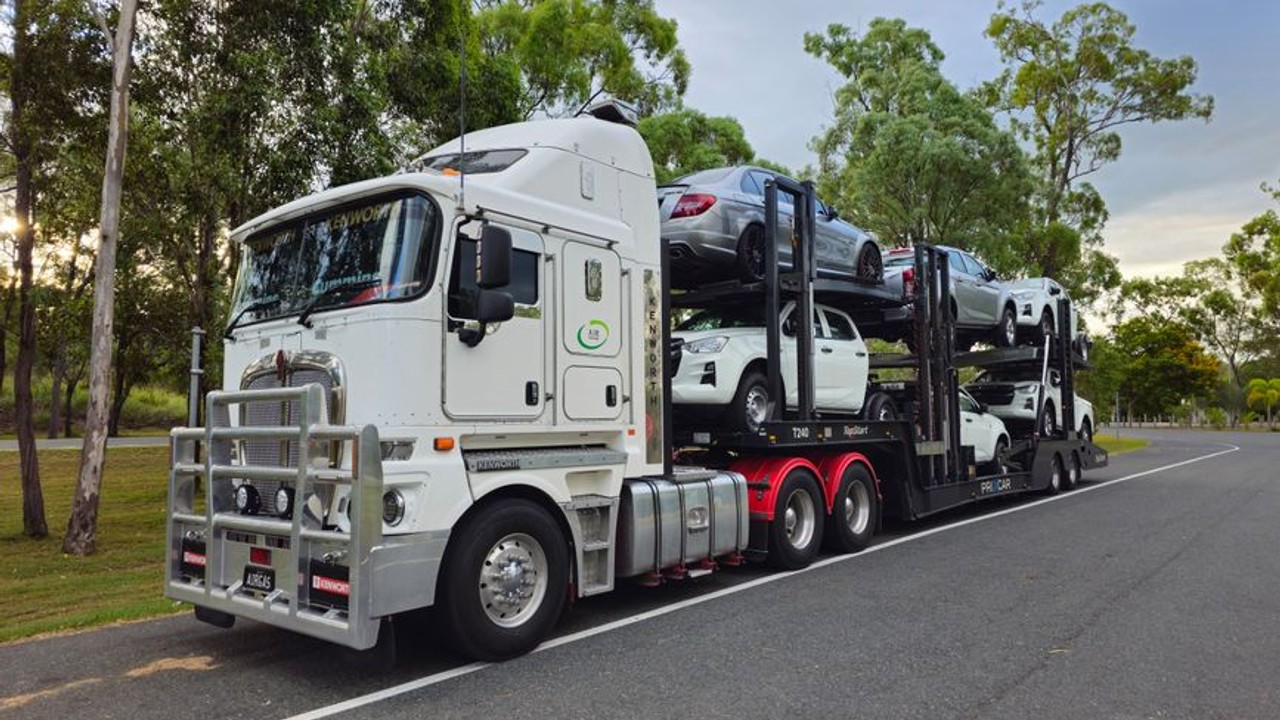
Why Choose Shipping a Car Cross Country for Your Vehicle Transport?
Navigating a cross-country move is challenging enough without the added stress of worrying about your vehicle's safe transit or missing crucial tax documentation. At Shipping a Car Cross Country, we offer reliable, efficient, and transparent vehicle transport services designed to make your move smoother. We specialize in:- Door-to-Door Service: We pick up and deliver your vehicle as close as legally and safely possible to your specified locations, eliminating extra logistics for you. Learn more about our convenient Door-to-Door Car Shipping.
- Comprehensive Insurance: While every reputable car carrier has liability insurance, we guide you through understanding coverage options for your peace of mind.
- Expert Logistics: Our experienced team handles all the details, from scheduling to route planning, ensuring your vehicle arrives safely and on time.
- Transparent Pricing: We provide clear, upfront quotes with no hidden fees, making it easy to budget and track your expenses for tax purposes.
Conclusion
Understanding the tax implications of car shipping for a cross-country move is crucial for smart financial planning. While general moving expense deductions are limited for most civilians, active-duty military personnel and businesses continue to benefit from specific allowances. Key to maximizing any eligible deduction is diligent record-keeping, including all invoices, receipts, and official documentation related to your vehicle transport. Remember, tax laws are complex and can change. While this guide provides a comprehensive overview, it is not a substitute for professional tax advice. Always consult with a qualified tax professional or the IRS directly for personalized guidance regarding your specific situation. Ready to move your vehicle with confidence and clarity? Let Shipping a Car Cross Country handle the logistics while you focus on your new beginning.Get your free, instant quote today and experience seamless car shipping across the country!