Should You Ship Your Car or Sell It When Moving Across Country?
Moving across the country is an exciting, albeit daunting, undertaking. Among the myriad decisions you”™ll face, one stands out for its financial and logistical implications: what to do with your car? Do you endure the long drive yourself, sell it and buy a new one at your destination, or opt for professional car shipping services? For many, the choice between shipping a car or selling it is a major dilemma, weighing convenience against cost, and emotional attachment against practicalities.
At Shipping A Car Cross Country, we understand this crossroads perfectly. We”™ve helped countless individuals and families navigate their cross-country moves, ensuring their vehicles arrive safely and efficiently. This comprehensive guide will dissect the pros and cons of each option, helping you determine the most sensible path for your unique situation, complete with a practical break-even analysis.
The Cross-Country Conundrum: Ship or Sell?
Before diving into the specifics, let”™s acknowledge why this decision is so challenging. Your car isn't just a mode of transport; it's often a significant investment, a daily companion, and sometimes, a repository of memories. Therefore, treating it as a simple commodity overlooks the deeper considerations at play. The "right" answer isn't universal; it depends heavily on your vehicle's value, age, mileage, the specifics of your move, and your personal priorities.
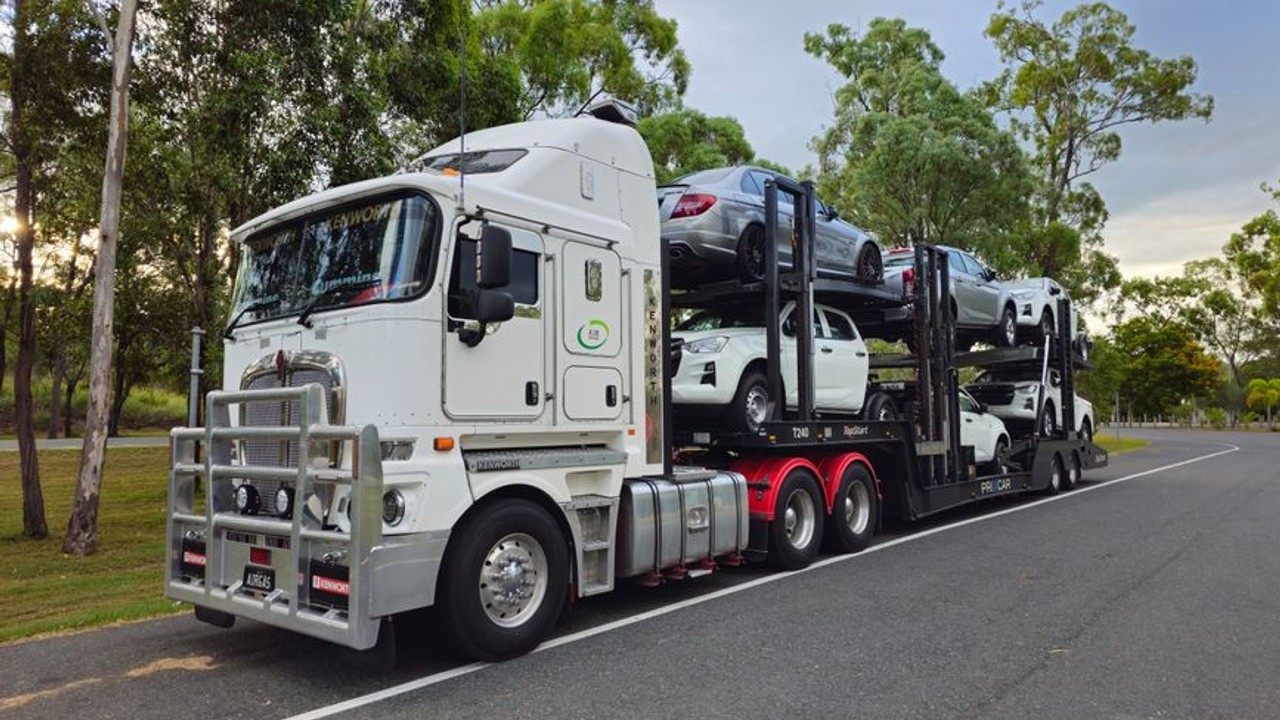
Option 1: Shipping Your Car Across Country
Opting for professional cross country shipping means entrusting your vehicle to experts. This method involves a dedicated auto transport company that uses specialized car carrier trucks to move your vehicle from your current location to your new home.
The Benefits of Auto Transport
- Unmatched Convenience: One of the most compelling advantages of vehicle transport is the sheer convenience. You avoid the stress, fatigue, and potential hazards of driving thousands of miles yourself. With door-to-door car shipping, the carrier picks up and delivers your vehicle as close as safely possible to your specified addresses.
- Time-Saving: Driving cross country can take days, even weeks, consuming valuable time that could be spent on other aspects of your move ”“ settling into your new home, starting a new job, or spending time with family. Auto shipping frees up this crucial time.
- Retain Your Familiar Vehicle: There's comfort in familiarity. Keeping your current car means no adjustment period to a new vehicle, no paperwork hassles of buying new, and you retain a car whose maintenance history you know inside out.
- Reduced Wear and Tear: Long-distance driving puts significant strain on your vehicle, leading to increased mileage, accelerated depreciation, and potential mechanical issues. Shipping your car protects it from these elements.
- Cost-Effective (Often): While there's an upfront cost, shipping can often be more cost-effective than driving yourself when you factor in fuel, lodging, food, potential repairs, and the value of your time.
- Safety and Security: Professional auto shipping companies are insured, providing peace of mind against damage or loss during transit. Your vehicle is handled by experienced drivers using specialized equipment.
Potential Drawbacks of Car Shipping
- Initial Cost: The primary consideration is the shipping fee itself. This varies based on distance, vehicle type, transport method (open vs. enclosed), and seasonality.
- Scheduling and Transit Times: While reliable, auto shipping isn't instantaneous. You'll need to coordinate pickup and delivery dates, and transit times can range from a few days to a couple of weeks, depending on the distance and route.
- Preparation Required: You”™ll need to prepare your car for shipping (remove personal items, check fluid levels, ensure minimal fuel, etc.), though this is generally less intensive than preparing it for sale.
- Reliance on a Third Party: While reputable companies like Shipping A Car Cross Country offer excellent service, you are entrusting your vehicle to another party, requiring a degree of trust and communication.
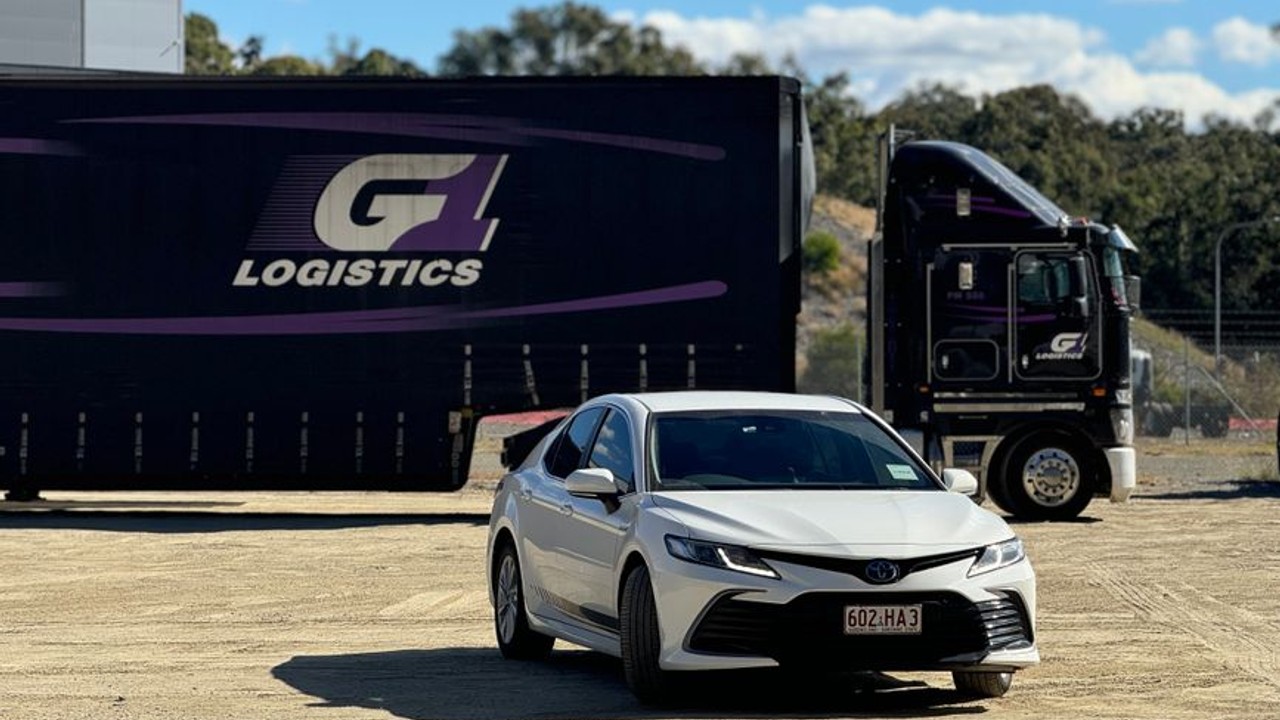
Option 2: Selling Your Car and Buying New
The alternative to shipping is to sell your current car before you move and purchase another one at your new destination. This approach appeals to those looking for a fresh start or an upgrade.
The Advantages of Selling & Buying New
- Opportunity for an Upgrade: A cross-country move can be the perfect excuse to buy a newer model, a different type of vehicle, or simply a car better suited to your new environment (e.g., a 4x4 for snowy regions).
- Avoid Shipping Costs: By selling, you bypass the entire cost of state-to-state auto transport.
- Cash in Hand: Selling your car, especially if you sell privately, can put a lump sum of cash in your pocket, which can be useful for moving expenses or a down payment on a new vehicle.
- No Vehicle Prep for Shipping: You won't need to worry about the specific requirements for auto shipping prep.
The Disadvantages of Selling & Buying New
- Time and Effort of Selling: Selling a car, especially privately, can be a time-consuming and often frustrating process. It involves detailing, photography, advertising, screening potential buyers, test drives, negotiation, and paperwork. Selling to a dealership is quicker but typically yields a lower price.
- Potential Financial Loss: Cars are depreciating assets. Unless your vehicle is a rare classic, you're unlikely to recoup your original purchase price. Dealer trade-ins almost always result in a lower value than a private sale.
- Hassle of Buying a New Car: Just as selling is a chore, so is buying. Researching new vehicles, visiting dealerships, negotiating prices, arranging financing, and completing extensive paperwork all take time and effort at a point when you're already swamped with moving tasks.
- New Car Costs: Beyond the purchase price, you'll incur additional expenses such as sales tax (often a significant percentage of the car's value), new registration fees, title fees, and potentially higher insurance premiums for a newer vehicle.
- Temporary Lack of Transportation: You might be without a personal vehicle for a period, either while your car is for sale or while you're shopping for a new one in an unfamiliar city.

The Crucial Calculation: Finding Your Break-Even Point
To make an informed decision, you need to quantify the costs associated with both options. This is where the break-even analysis comes into play. It helps you understand at what point the cost of shipping equals or exceeds the combined costs of selling your old car and buying a new one.
Factors to Consider for Your Calculation:
- Your Vehicle's Current Market Value: Research your car's value thoroughly using resources like Kelley Blue Book (KBB), Edmunds, and NADA Guides for both private party sale and trade-in values.
- Age and Mileage: These are primary determinants of your car's value and appeal in the used car market.
- Condition (Mechanical & Cosmetic): Be realistic about any repairs, detailing, or reconditioning needed to make your car market-ready.
- Estimated Shipping Costs: Get immediate quotes from reputable car shipping calculators like ours. Ensure these quotes are comprehensive (door-to-door, insurance included).
- Market Differences: Is your car model in higher demand or value in your current location compared to your destination, or vice versa?
- Selling Costs:
- Detailing/cleaning: $100 - $300
- Minor repairs (tires, brakes, aesthetic fixes): Varies, could be $0 - $1000+
- Advertising fees (online listings): $0 - $100
- Time/Effort (opportunity cost): Estimate a monetary value for the hours spent on listing, showing, negotiating, and paperwork (e.g., $200 - $500).
- Buying Costs (for a comparable new/used car at destination):
- Sales Tax: Varies significantly by state (e.g., 0% in DE, OR, MT, NH to 9% in some cities). Calculate based on the estimated purchase price.
- Registration and Title Fees: Typically $50 - $300, depending on the state and vehicle type.
- State Inspection Fees: Some states require an inspection for registration.
- Time/Effort to Buy: Research, dealership visits, negotiations, paperwork (e.g., $200 - $500).
- Temporary Transportation: If you need to rent a car while shopping, factor that in.
A Hypothetical Break-Even Scenario:
Let's consider a practical example to illustrate the calculation:
Scenario Details:
- Vehicle: 2017 Honda CR-V EX, 85,000 miles
- Current Location: Los Angeles, CA
- Destination: Dallas, TX
Step 1: Estimate Your Car's Value and Selling Costs
- Current Market Value (Private Sale): Let's estimate $15,000.
- Costs to Sell:
- Professional Detailing: $200
- Minor Service/Tire Rotation: $150
- Online Listing Fees: $50
- Your Time/Hassle (opportunity cost for 20 hours at $25/hr): $500
- Total Selling Expenses: $200 + $150 + $50 + $500 = $900
- Net Proceeds from Selling (Estimated): $15,000 (sale price) - $900 (selling costs) = $14,100
Step 2: Estimate the Cost of Replacing Your Car at Your Destination
- Cost of Comparable Vehicle (2017 Honda CR-V EX, similar mileage, in Dallas): Let's estimate $16,500. (Note: prices can vary between markets).
- Buying Expenses in Texas:
- Texas Sales Tax (6.25% of purchase price): $16,500 * 0.0625 = $1,031.25
- Registration, Title, Plate Fees: ~$150
- State Inspection: ~$25
- Your Time/Hassle (opportunity cost for 15 hours at $25/hr): $375
- Total Buying Expenses: $1,031.25 + $150 + $25 + $375 = $1,581.25
- Total Cost of Replacing Vehicle: $16,500 (car price) + $1,581.25 (buying expenses) = $18,081.25
Step 3: Calculate the "Net Financial Outlay" of Selling & Buying New
This is the actual amount you're *out of pocket* after selling your old car and buying a new one.
- Total Cost of Replacing Vehicle ($18,081.25) - Net Proceeds from Selling Old Car ($14,100) = $3,981.25
So, in this hypothetical scenario, the overall financial "cost" of selling your old car and buying a comparable one in Dallas, considering all related expenses and lost value, is approximately $3,981.25.
Step 4: Compare with Estimated Car Shipping Cost
- Estimated Car Shipping Cost (Open Carrier, LA to Dallas): Using the Shipping A Car Cross Country calculator, let's assume a quote of $1,400 - $1,800. For our comparison, we'll use an average of $1,600.
The Break-Even Point:
In this example:
- Cost of Shipping: $1,600
- Cost of Selling & Buying New: $3,981.25
Since the cost of shipping ($1,600) is significantly less than the total cost of selling and buying new ($3,981.25), shipping your 2017 Honda CR-V in this scenario is the financially smarter choice. The "break-even point" would be around $3,981.25. If shipping cost were higher than this, then selling and buying might make more sense.
This calculation highlights that the perceived "free" aspect of selling a car often hides significant hidden costs and efforts. Always run your own numbers based on your specific vehicle and locations!

Beyond the Numbers: Intangible Value
While the numbers provide a clear financial picture, don't discount the non-monetary value:
- Sentimental Attachment: Some cars hold emotional significance.
- Known Maintenance History: You know your car's quirks and have a record of its service. Buying a used car is always a bit of a gamble.
- Reliability: A car you trust is invaluable, especially when moving to a new place.
- Familiarity: Not having to adapt to a new vehicle's features, size, or handling is a small but welcome comfort during a stressful move.
Practical Tips for Making Your Decision
To ensure you make the best decision for your cross-country move, follow these practical steps:
- Get Multiple Car Shipping Quotes: Use the Shipping A Car Cross Country instant quote tool to get a realistic estimate for your specific route and vehicle. Compare open vs. enclosed transport.
- Research Your Car's Value Thoroughly: Use at least two reliable valuation tools (KBB, Edmunds, NADA) for both private party and trade-in values in your current and destination markets. Account for any necessary repairs or detailing.
- Factor in All Selling and Buying Costs: Don't forget sales tax, registration, title fees, and the monetary value of your time and effort for both selling and buying.
- Consider Your Timeline: If you're on a tight schedule, selling privately might not be feasible, pushing you towards a quicker (but potentially less profitable) trade-in or the convenience of auto shipping services.
- Assess Your Car's Condition and Age: Older, high-mileage vehicles might have a lower resale value, making shipping a more attractive option to avoid a significant loss on sale. Newer, high-value vehicles often benefit from the protection and peace of mind offered by enclosed vehicle transport.
- Prioritize Convenience vs. Cost: Are you willing to pay more for the ease and reduced stress of car shipping, or is minimizing upfront costs your main goal, even if it means more personal effort?
Why Choose Shipping A Car Cross Country?
When the scales tip towards shipping your car, choosing the right vehicle transport partner is paramount. Shipping A Car Cross Country is a leader in the auto shipping industry, dedicated to providing seamless, reliable, and affordable solutions for your long-distance move.
- Experienced & Reliable: With years of experience, we've built a reputation for professionalism and dependability in cross country auto transport.
- Comprehensive Services: From standard open car carrier options to premium enclosed transport for luxury or classic vehicles, we offer a range of services to meet your specific needs. Our door-to-door service ensures maximum convenience.
- Transparent Pricing: Our online quote system provides instant, competitive pricing, helping you budget effectively without hidden fees.
- Customer-Centric Approach: We pride ourselves on excellent customer service, guiding you through every step of the state-to-state car shipping process, from initial quote to final delivery.

Making Your Informed Decision
The decision to ship your car or sell it when moving across country is deeply personal, influenced by a blend of financial calculations, practical considerations, and emotional attachments. By diligently comparing the true costs of each option ”“ including the often-overlooked expenses and the value of your time ”“ you can confidently choose the path that best suits your needs.
No matter which option you lean towards, remember that Shipping A Car Cross Country is here to simplify at least one major aspect of your move. If shipping emerges as your best choice, let our expertise in car shipping and vehicle transport make your cross-country transition as smooth as possible.
Ready to explore your car shipping options? Get a free, instant quote today and discover the convenience and peace of mind that comes with professional auto transport. Visit Shipping A Car Cross Country's Instant Quote Calculator now!