What Are the Common Misconceptions About Car Shipping Costs and Services?
The journey of shipping a car, whether it's across states or the entire country, can seem daunting. For many, it”™s an unfamiliar process shrouded in mystery, leading to a host of misunderstandings about costs, services, and the overall experience. At Shipping a Car Cross Country, we believe that informed customers make the best decisions. That's why we're here to pull back the curtain and debunk the most common misconceptions about car shipping and vehicle transport, helping you navigate the process with confidence and clarity.
From the initial quote to the final delivery, understanding the nuances of auto shipping can save you time, money, and stress. Let's separate fact from fiction and equip you with the knowledge you need for a smooth, transparent cross country shipping experience.
Myth 1: Car Shipping Is Always Prohibitively Expensive
One of the biggest deterrents for individuals considering vehicle transport is the assumption that it will break the bank. While it's true that professional car shipping is an investment, it's often far more cost-effective and convenient than you might imagine, especially when you factor in all the hidden costs of driving yourself.
The Real Cost Factors You Need to Know
Several variables influence the price of auto shipping, making each quote unique. Understanding these factors will help you get a realistic picture of the cost:
- Distance: Longer distances generally mean higher costs, but the per-mile rate often decreases for longer hauls.
- Vehicle Type: Larger, heavier vehicles (SUVs, trucks, vans) cost more to transport than standard sedans due to space and weight requirements on the car carrier.
- Service Type:
- Open Car Transport: This is the most common and economical option, where your vehicle is transported on an open trailer, exposed to the elements.
- Enclosed Car Transport: Ideal for luxury, classic, or antique vehicles, enclosed transport offers maximum protection from weather and road debris but comes at a higher price point (typically 40-60% more than open transport).
- Route Popularity: Shipping to or from major metropolitan areas on popular routes can sometimes be more affordable due to higher carrier availability. Less common routes or remote locations might incur higher costs.
- Time of Year: Seasonal demand plays a significant role. Peak seasons (summer, snowbird migrations in fall/spring) often see higher prices due to increased demand and fewer available carriers.
- Booking Lead Time: Booking in advance gives you more options and potentially better rates. Last-minute bookings can be more expensive due to urgency.
Instead of assuming a high price, we encourage you to use our online shipping calculator to get an instant, free estimate. You might be surprised at how affordable professional car shipping can be, especially when weighing it against the costs of fuel, accommodation, food, wear and tear on your vehicle, and your valuable time.
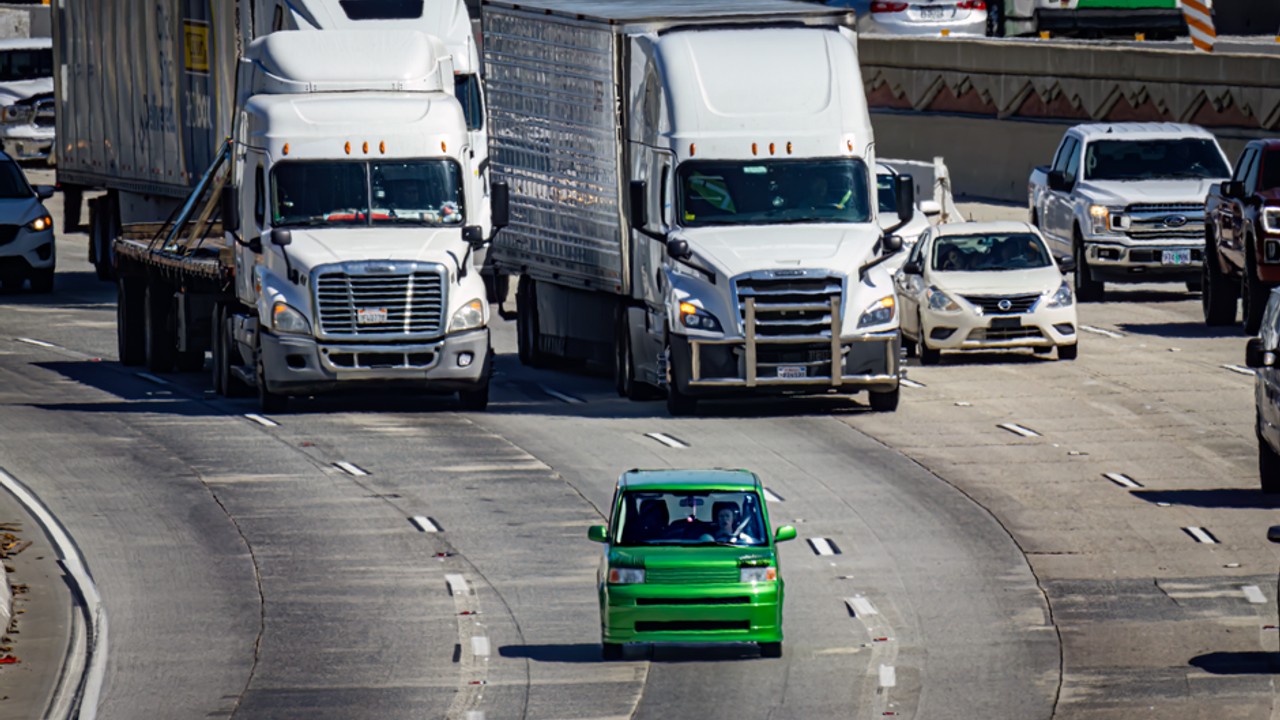
Myth 2: Door-to-Door Service is Always Significantly More Expensive
Many customers automatically gravitate towards terminal-to-terminal shipping, believing it's the only way to save money. While terminal shipping can sometimes be slightly cheaper, the difference is often minimal, and the convenience offered by door-to-door car shipping frequently outweighs the small additional cost.
The Convenience Factor of Door-to-Door
Door-to-door service means the carrier picks up your vehicle as close to your specified location as legally and safely possible and delivers it to your destination in the same manner. Here”™s why it”™s often the best choice:
- Unmatched Convenience: No need to drive to or from a distant terminal, arrange alternative transportation, or coordinate your schedule with terminal operating hours. The carrier comes to you.
- Reduced Logistics: Avoid the hassle of navigating unfamiliar areas or public transport to pick up/drop off your car.
- Time Savings: Save precious hours (or even days) that would otherwise be spent on terminal logistics.
- Direct Communication: You'll communicate directly with the driver for pickup and delivery arrangements, offering clear expectations.
It's important to note that "door-to-door" doesn't always mean the carrier can pull right into your driveway. Large car carrier trucks require ample space to maneuver safely. If your street is too narrow, has low-hanging branches, or restricted access, the driver will arrange a mutually convenient, safe location nearby (e.g., a large parking lot or wider street) for pickup and delivery. This flexibility is part of what makes our door-to-door services so efficient.
Myth 3: All Car Shipping Companies Are the Same
This misconception is perhaps the most dangerous. Believing all auto shipping companies offer the same level of service, reliability, and protection can lead to significant headaches, delays, and even financial losses. The truth is, the industry has a wide spectrum of providers.
What Differentiates Top-Tier Car Shipping Providers?
When choosing a company for your vehicle transport needs, look beyond just the price. Here”™s what sets reputable companies apart:
- Experience and Reputation: Look for companies with a long track record of successful deliveries and positive customer reviews. Our About Us page highlights our commitment to excellence.
- Licensing and Insurance: Verify that the company is properly licensed by the Federal Motor Carrier Safety Administration (FMCSA) and carries adequate insurance coverage. Every legitimate broker and carrier will have a USDOT and MC number.
- Transparency: A reliable company will provide clear, upfront pricing with no hidden fees and transparent communication throughout the process.
- Customer Service: Excellent customer support, from initial inquiry to post-delivery follow-up, is a hallmark of a professional service. They should be responsive, knowledgeable, and helpful.
- Carrier Network: Established brokers like Shipping a Car Cross Country work with a vetted network of thousands of reliable, insured carriers, ensuring better coverage and faster service for routes like state-to-state or cross country shipping.
- Guarantees and Policies: Understand their policies on delays, cancellations, and damage claims.
Don't just pick the cheapest quote; thoroughly vet your potential provider. Reading reviews on independent platforms and checking their FMCSA safety record can provide invaluable insights. For more detailed guidance, explore our blog post on how to choose the top auto transport companies.

Myth 4: Insurance Coverage Is Automatic and Comprehensive
While carriers are legally required to carry insurance, the scope and limits of that coverage are frequently misunderstood. Many assume full replacement value is covered, which isn't always the case.
Understanding Your Insurance Options for Vehicle Transport
Here”™s what you need to know about insurance for your car shipping:
- Carrier's Cargo Insurance: All licensed car carriers must carry cargo insurance, which covers damage to your vehicle during transit due to carrier negligence. However, this coverage usually has a deductible and may be limited to a specific value per vehicle. It typically does NOT cover "acts of God" (like hail storms) or pre-existing damage.
- Your Personal Auto Insurance: Check with your personal auto insurance provider. Some policies extend coverage to your vehicle while it's being shipped, while others do not. If it does, understand its limitations.
- Supplemental Insurance: Some brokers or carriers offer additional, third-party insurance policies for purchase, which can provide more comprehensive coverage, including "acts of God," or cover your deductible. Consider this, especially for high-value vehicles.
Crucial Tip: Always perform a thorough inspection of your vehicle before and after shipping. Document any existing damage with photos and videos. This documentation is vital if you need to file a claim. Do not sign the Bill of Lading (BOL) at delivery before you've inspected your vehicle for new damage.

Myth 5: Booking Last Minute Guarantees a Deal (or is easy)
Unlike airline tickets where last-minute deals sometimes appear, auto shipping typically works in reverse. Booking closer to your desired ship date often results in higher prices and fewer options.
The Realities of Last-Minute Car Shipping
- Increased Cost: Carriers plan their routes in advance. A last-minute request often means they have to adjust their schedule or go out of their way, incurring extra costs that are passed on to you.
- Limited Availability: During peak seasons, finding an available carrier on short notice can be extremely challenging, leading to delays.
- Less Flexibility: You'll have fewer choices for pickup dates, delivery windows, and even carrier types.
Our Recommendation: Aim to book your car shipping at least 2-4 weeks in advance, especially during peak seasons or for less common routes. This allows for optimal planning, better rates, and a smoother experience. For urgent needs, express shipping options are available but come at a premium.
Myth 6: Only New or Luxury Cars Benefit from Professional Shipping
This is a common belief that leads many owners of older, everyday, or non-running vehicles to shy away from professional vehicle transport. The truth is, car shipping services cater to a vast array of vehicle types and conditions.
Who Can Benefit from Professional Auto Shipping?
- Everyday Drivers: Moving for a job, military relocation, or simply avoiding a long drive.
- Classic & Antique Cars: Protecting valuable investments with enclosed transport.
- Project Cars & Non-Running Vehicles: Special services are available for vehicles that can't be driven (though they may incur an additional fee for winch service).
- Motorcycles, ATVs, RVs: Many companies specialize in transporting a variety of motorized vehicles.
- Fleet Vehicles: Businesses frequently utilize auto logistics for moving multiple vehicles efficiently.
Whether you're relocating your family sedan across the country or sending a vintage muscle car to a show, professional car shipping offers a tailored solution. The convenience, safety, and potential cost savings (when considering wear and tear and time) apply to virtually any vehicle.
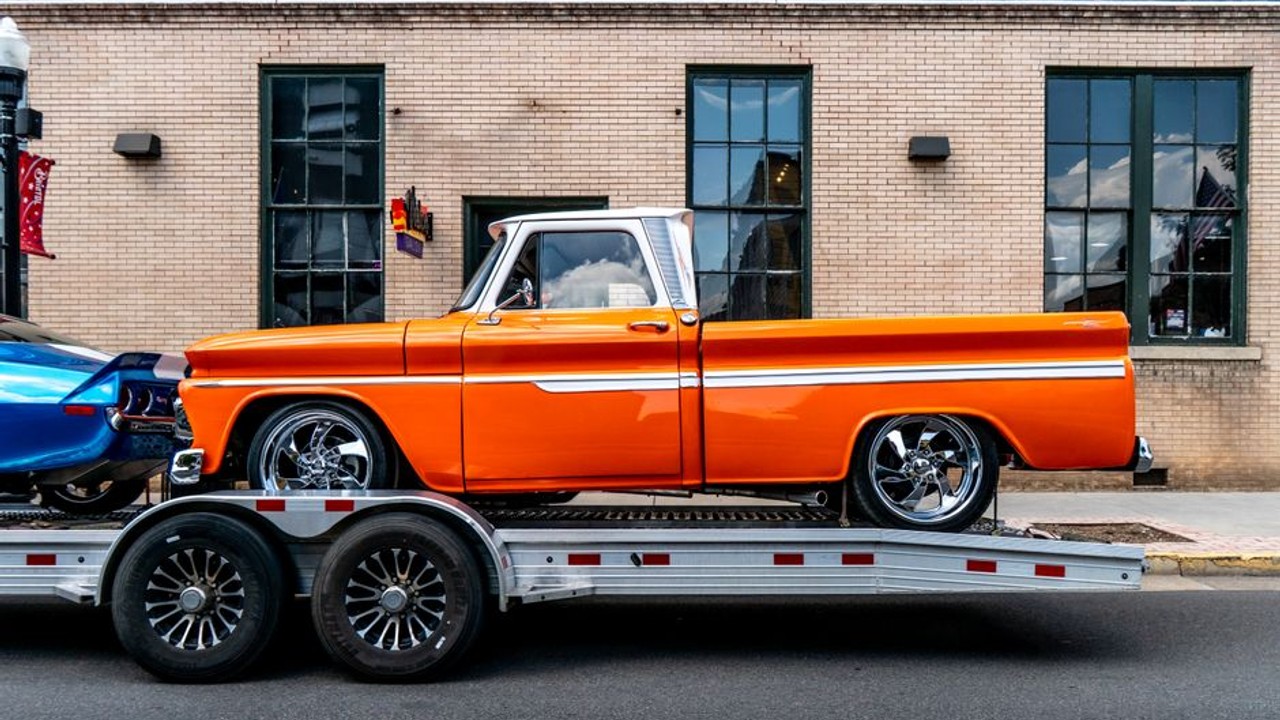
Myth 7: Car Shipping Is a Complicated, Stressful Process
While the idea of handing over your beloved vehicle to a stranger might seem daunting, a reputable car shipping company makes the process remarkably simple and stress-free. The complexity usually arises when dealing with unreliable providers or being unprepared.
How Professional Auto Shipping Streamlines the Process
At Shipping a Car Cross Country, we simplify vehicle transport into a few straightforward steps:
- Get a Quote: Use our online calculator or call us for a free, no-obligation quote.
- Book Your Shipment: Confirm your details, choose your service (open/enclosed, door-to-door), and schedule your pickup.
- Prepare Your Vehicle: Remove personal items, ensure the fuel tank is about 1/4 full, and disable alarms. (We provide a detailed checklist!)
- Pickup: The carrier arrives, you and the driver inspect the vehicle, and the Bill of Lading is signed.
- Track Your Shipment: Stay informed with updates on your vehicle's journey.
- Delivery: Your car arrives at your destination. Another inspection, sign the BOL, and you're done!
We handle the complex auto logistics, carrier vetting, and coordination, leaving you with a seamless experience. Our dedicated team is always available to answer questions and provide support, ensuring transparency at every stage of your car shipping journey.
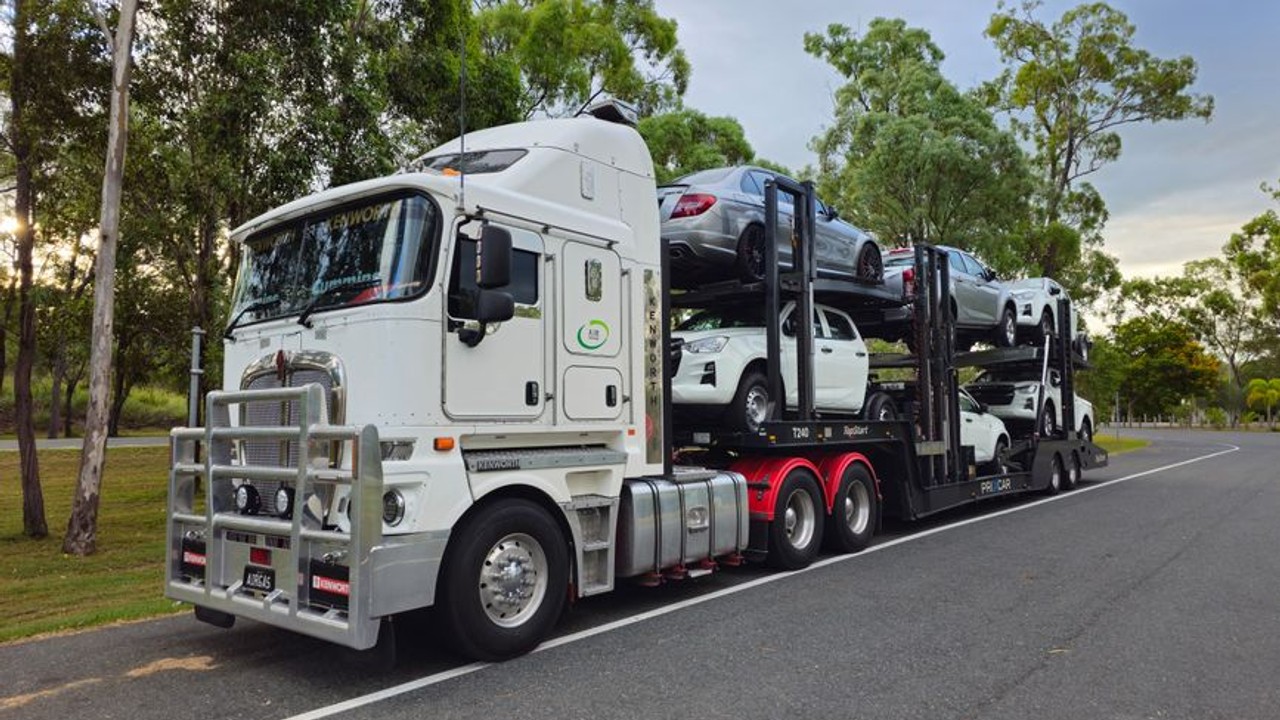
Practical Tips for a Smooth Car Shipping Experience
Now that we've debunked some common myths, here are some actionable tips to ensure your car shipping experience is as smooth and efficient as possible:
- Get Multiple Quotes: Don't settle for the first quote. Compare pricing and services from at least 3-5 reputable companies.
- Read the Fine Print: Understand the terms and conditions, especially regarding insurance, pickup/delivery windows, and cancellation policies.
- Verify Credentials: Always check a company's USDOT and MC numbers on the FMCSA website to ensure they are licensed and insured.
- Prepare Your Vehicle Thoroughly: A clean car makes pre-inspection easier. Remove all personal belongings, as these are typically not covered by carrier insurance.
- Communicate Clearly: Provide accurate contact information and be available to communicate with your shipping coordinator and the driver.
- Document Everything: Take extensive photos and videos of your car's condition before pickup. Keep all paperwork (Bill of Lading, inspection reports) safe.
Conclusion: Empowering Your Car Shipping Decisions
Navigating the world of car shipping doesn't have to be confusing or stressful. By debunking these common misconceptions, we hope to have provided you with a clearer understanding of what to expect from professional vehicle transport services. From understanding the true cost factors and the value of door-to-door delivery to recognizing the importance of choosing a reputable provider and understanding insurance, knowledge is your most powerful tool.
At Shipping a Car Cross Country, our mission is to provide transparent, reliable, and efficient auto shipping solutions that meet your specific needs. We pride ourselves on customer satisfaction and demystifying the process for every client.
Ready to experience a hassle-free vehicle transport? Get your free quote today and let us take the wheel!
Visit Shipping a Car Cross Country to learn more about our services or contact us directly for personalized assistance.