What Are the Environmental Impacts of Shipping a Car Across Country?
Moving across the country is an exciting, often life-changing event. Amidst the packing, planning, and saying goodbyes, one significant decision often arises: what to do with your car? For many, the practical and safe choice is to opt for professional car shipping services. While this decision offers convenience, saves wear and tear on your vehicle, and reduces personal stress, it also raises important questions about its environmental footprint.
At Shipping a Car Cross Country, we believe in transparency and empowering our customers with information. Understanding the environmental impacts associated with long-distance vehicle transport across the country””from fuel consumption and emissions to the broader carbon footprint””is crucial for making informed choices. This comprehensive guide will delve into these aspects, exploring the challenges and the innovative solutions the auto shipping industry is adopting to become more sustainable.
The Carbon Footprint of Vehicle Transport: A Necessary Consideration
When we talk about the environmental impact of shipping a car, we're primarily referring to its "carbon footprint." This term quantifies the total greenhouse gas (GHG) emissions caused directly or indirectly by an activity or accumulated over the life stages of a product. In the context of cross country shipping, this mainly encompasses the emissions generated by the fuel burned during transportation.
The primary mode of long-distance car shipping in the United States is by road, utilizing large multi-car carriers. Rail transport also plays a significant role, particularly for longer distances and certain types of vehicles. While both methods contribute to emissions, their efficiencies and impacts vary significantly, and understanding these differences is key to appreciating the industry's efforts towards sustainability.
Deconstructing Fuel Consumption in Auto Transport
Fuel consumption is the direct precursor to emissions. The amount of fuel burned by a transport vehicle dictates the volume of greenhouse gases released into the atmosphere. Let's break down how this applies to the world of auto transport.
Truck Transport: The Dominant Player
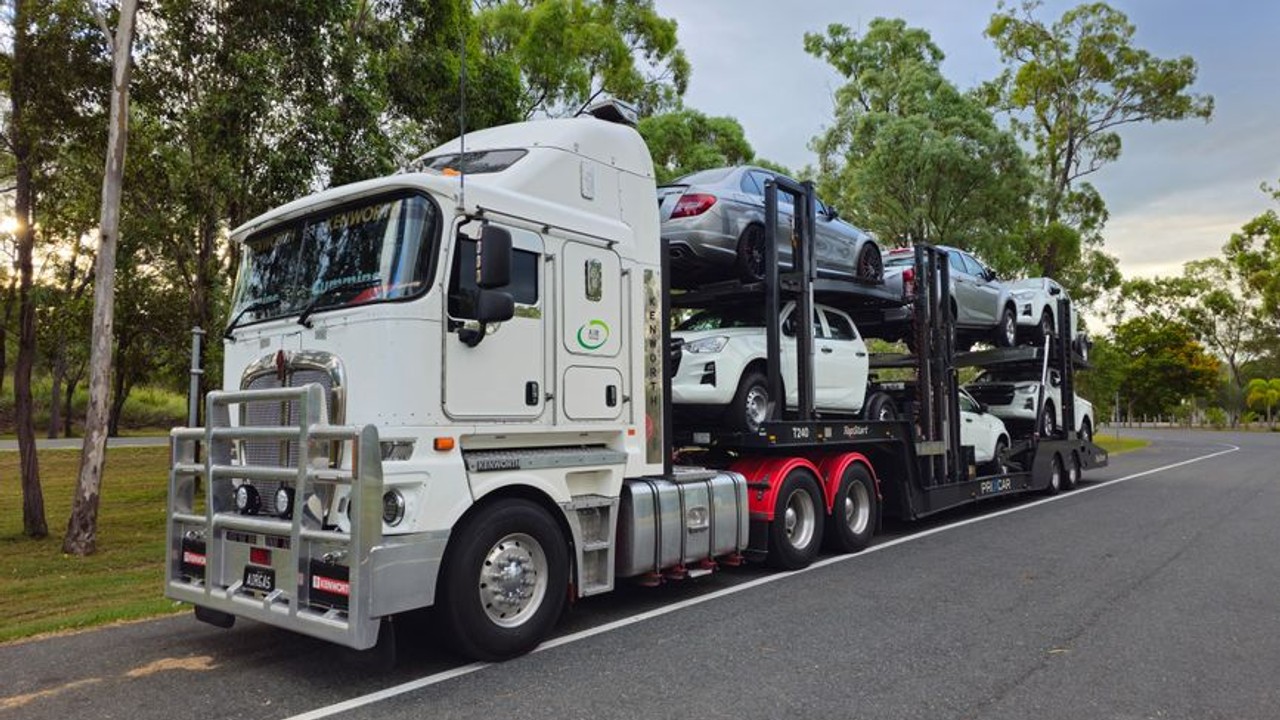
Heavy-duty trucks, specifically the open and enclosed car carrier trailers, are the workhorses of the auto shipping industry. These vehicles are designed to carry multiple cars, typically between 7 and 10 for open carriers, and 2 to 7 for enclosed ones, depending on vehicle size and trailer specifications. Their fuel consumption is a complex interplay of several factors:
- Weight: The sheer weight of the truck itself, combined with the multiple vehicles it carries, demands substantial engine power and thus more fuel. A fully loaded car carrier can weigh upwards of 80,000 pounds (40 tons).
- Aerodynamics: While modern trucks incorporate aerodynamic designs, the bulkiness of a loaded trailer still creates significant wind resistance, especially at highway speeds.
- Terrain: Driving through mountainous regions or areas with frequent elevation changes requires more power and fuel than traversing flat plains.
- Speed and Idling: Higher speeds generally increase fuel consumption. Additionally, idling in traffic or during loading/unloading operations, though often necessary, also contributes to fuel burn without forward movement.
- Maintenance: A well-maintained truck with properly inflated tires, a clean air filter, and a tuned engine will be more fuel-efficient than one that is neglected.
- Route Optimization: Efficient routing, avoiding unnecessary detours, construction, or heavy traffic, plays a critical role in minimizing miles driven and, consequently, fuel used.
While a single heavy-duty truck might achieve anywhere from 5 to 8 miles per gallon (MPG), it's essential to consider this in the context of the number of vehicles it's transporting. If a truck gets 6 MPG and carries 9 cars, its effective fuel efficiency per car is much higher than a single car getting, say, 25 MPG. We'll delve deeper into this comparative efficiency shortly.
Rail Transport: A Greener Alternative?

Rail transport is often touted as a more environmentally friendly option for long-distance freight, and this holds true for auto shipping as well. Freight trains are incredibly fuel-efficient per ton-mile moved, significantly outperforming trucks in this regard. This is due to several factors:
- Lower Rolling Resistance: Steel wheels on steel tracks generate far less friction than rubber tires on asphalt roads.
- Massive Capacity: Trains can transport hundreds of vehicles at once, distributing the fuel consumption across a huge volume of cargo.
- Dedicated Infrastructure: Rail lines are often more direct and less subject to traffic congestion than highways.
However, rail transport isn't always a direct door-to-door solution. Cars often need to be transported by truck to and from rail terminals, adding an initial and final leg of truck-based emissions. This intermodal approach, while efficient for the long haul, highlights the complex logistics involved in optimizing environmental outcomes.
The "Individual Drive" Comparison: A Crucial Perspective
Perhaps the most compelling argument for the environmental benefits of professional auto shipping comes from comparing it to the alternative: you driving your car across the country yourself. Consider the following:
- A single car carrier transports an average of 8-10 vehicles.
- If each of those 8-10 vehicle owners were to drive their cars individually, that would mean 8-10 separate vehicles consuming fuel, generating emissions, and contributing to road wear and tear.
- Even if each individual car gets significantly better mileage than the truck, the combined fuel consumption and emissions of 8-10 separate vehicles travelling the same route would almost always be substantially higher than that of one consolidated car carrier.
For example, if a car carrier gets 6 MPG carrying 9 cars (0.66 MPG per car) and each individual car gets 25 MPG, the carrier is still significantly more efficient. The carrier covers one set of miles, distributing the fuel burn across nine vehicles. The 9 individual cars cover 9 times the miles, each burning their own fuel.
This efficiency of consolidation is the bedrock of the auto shipping industry's claim to environmental responsibility. By minimizing the number of vehicles on the road dedicated to long-distance transport, professional car shipping services inherently reduce the overall carbon footprint compared to a scenario where everyone drives their car themselves.
Emissions and Air Quality Concerns
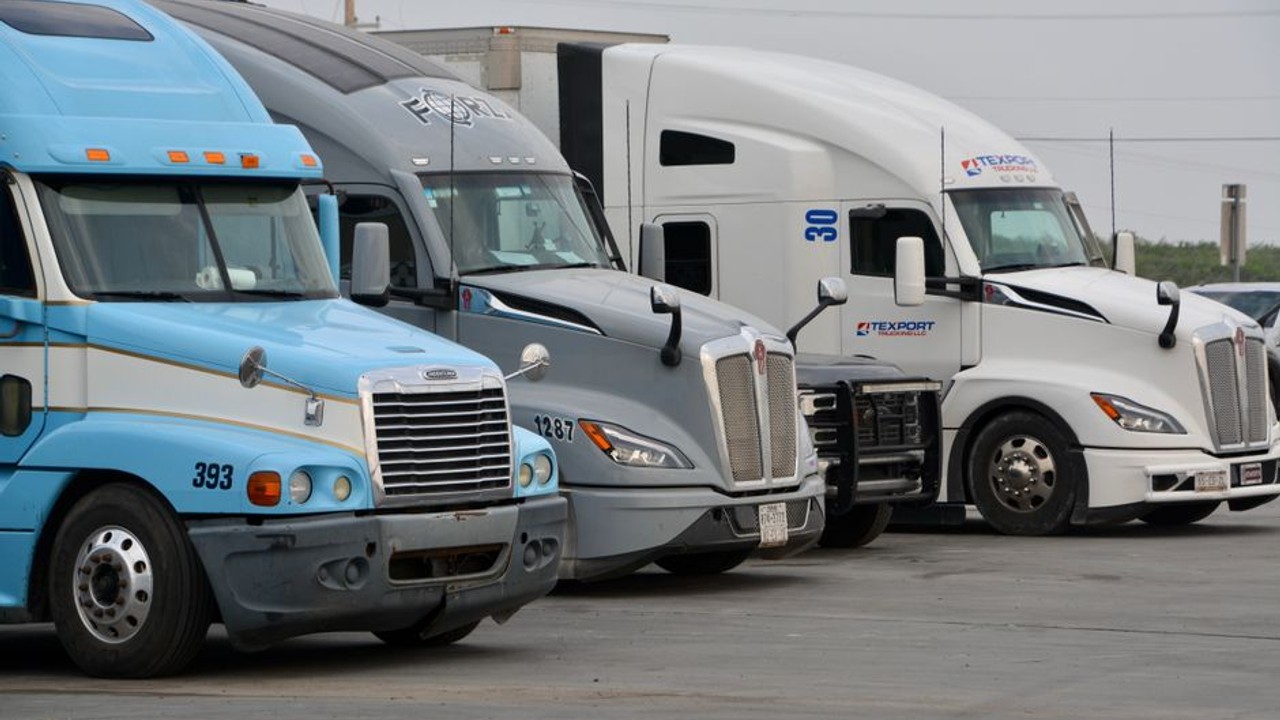
Beyond simply consuming fuel, the combustion process in vehicle engines releases various pollutants into the atmosphere. While carbon dioxide (CO2) is the most well-known greenhouse gas, other emissions have significant impacts on air quality and human health.
Types of Emissions: Beyond CO2
- Carbon Dioxide (CO2): The primary greenhouse gas, contributing to global warming and climate change.
- Nitrogen Oxides (NOx): These gases contribute to ground-level ozone (smog), acid rain, and can cause respiratory problems.
- Particulate Matter (PM): Tiny airborne particles that can penetrate deep into the lungs, leading to respiratory and cardiovascular diseases. Diesel engines are a notable source of PM.
- Sulfur Dioxide (SO2): Contributes to acid rain and respiratory issues, though modern regulations have drastically reduced sulfur content in diesel fuel.
- Volatile Organic Compounds (VOCs): These can react with NOx in the presence of sunlight to form ground-level ozone.
Regulatory Landscape and Industry Efforts
The auto transport industry operates under strict environmental regulations, particularly regarding heavy-duty diesel engines. In the U.S., the Environmental Protection Agency (EPA) sets rigorous standards for vehicle emissions. These regulations have driven significant technological advancements:
- Diesel Particulate Filters (DPF): These systems capture particulate matter from exhaust gases, drastically reducing PM emissions.
- Selective Catalytic Reduction (SCR) with Diesel Exhaust Fluid (DEF): SCR systems use DEF (a urea-based solution) to convert NOx emissions into harmless nitrogen and water vapor.
- Low-Sulfur Diesel Fuel: The introduction of ultra-low sulfur diesel (ULSD) has greatly reduced SO2 emissions and enabled the use of advanced emission control technologies.
These technologies mean that modern auto transport trucks are significantly cleaner than their predecessors, even as they carry heavy loads. Carriers investing in newer fleets are actively contributing to cleaner air.
Water and Land Use Impacts
While fuel and emissions are the most direct environmental concerns, the logistics of car shipping also touch upon water and land use, albeit to a lesser extent for cross-country moves.
Water Pollution
The primary concern regarding water pollution relates to:
- Runoff from Maintenance Facilities: Truck washes and maintenance depots can generate wastewater containing oils, grease, and cleaning agents if not properly managed.
- Potential Spills: While rare, accidents involving fuel or other vehicle fluids during transport or at terminals could lead to localized soil and water contamination.
Reputable car shipping companies adhere to environmental best practices for waste disposal and spill prevention at their facilities.
Land Use and Infrastructure
The infrastructure required for auto transport also has a land footprint:
- Highways and Rail Lines: These vast networks are essential for transport but require significant land development and fragmentation of natural habitats. However, this infrastructure is already in place and heavily utilized for all forms of freight.
- Terminals and Depots: Large facilities for vehicle storage, loading, and unloading require substantial plots of land, often in industrial areas.
Compared to the scale of global land use for agriculture or urban development, the direct land footprint of car shipping terminals is relatively small, especially given that many companies operate out of existing logistics hubs.
Mitigating the Environmental Footprint: What We (and You) Can Do
The auto transport industry is not static; it continually evolves to improve efficiency and reduce its environmental impact. Both carriers and consumers have roles to play in fostering a greener future for vehicle transport.
For Car Shipping Companies: Driving Towards Sustainability
At Shipping a Car Cross Country, and across the industry, significant efforts are being made to minimize environmental impact:
- Route Optimization Technology: Advanced GPS and logistics software allow carriers to plan the most efficient routes, minimizing mileage, avoiding congestion, and reducing idling time.
- Modern, Fuel-Efficient Fleets: Investing in newer trucks equipped with the latest engine technologies, aerodynamic enhancements (such as side skirts and boat tails on trailers), and low-rolling-resistance tires significantly reduces fuel consumption and emissions.
- Rigorous Maintenance Schedules: Regular servicing ensures engines run optimally, emission control systems function correctly, and tires are properly inflated, all of which contribute to better fuel economy.
- Backhauling and Full Loads: A core principle of efficient logistics is minimizing "empty miles." Carriers strive to ensure their trucks are fully loaded on both outbound and return journeys (backhauling), drastically reducing the per-vehicle impact.
- Intermodal Transport Utilization: Wherever feasible and efficient, combining truck and rail transport for the longest legs of a journey can capitalize on rail's superior fuel efficiency.
- Driver Training: Implementing eco-driving programs that teach drivers techniques like smooth acceleration, anticipation of traffic, and efficient braking can yield considerable fuel savings.
Our commitment to these practices is integral to our business model. You can learn more about our operational philosophy and dedication to efficient transport on our About Us page.
For Consumers: Making Environmentally Conscious Choices
As a customer, your choices also matter:
- Choose Reputable and Conscious Carriers: Opt for companies that openly discuss their environmental practices and invest in modern fleets. Ask about their efforts to optimize routes and reduce empty miles.
- Plan Ahead: Booking your cross country shipping well in advance allows carriers more flexibility to consolidate loads and plan optimal routes, contributing to efficiency.
- Consider Enclosed Transport (when appropriate): While generally pricier, enclosed carriers offer superior protection against road debris and weather. For high-value or classic cars, this can prevent potential damage that might otherwise necessitate repairs or even re-transport, incurring additional environmental costs.
- Ask Questions: Don't hesitate to inquire about a company's fleet age, maintenance practices, and commitment to sustainability. Informed customers drive industry improvement.
The Unseen Environmental Benefit: Avoiding Individual Drives

It's easy to focus solely on the emissions of the car carrier itself. However, the most significant environmental benefit of professional car shipping often lies in what it prevents: numerous individual vehicles embarking on their own cross-country journeys. When you ship your car, you're not just moving a vehicle; you're also:
- Reducing Overall Road Congestion: Fewer individual vehicles on the road translates to less traffic, which in turn means less idling and stop-and-go driving, a major contributor to fuel inefficiency and emissions.
- Minimizing Wear and Tear on Personal Vehicles: Driving thousands of miles puts significant strain on your car, leading to increased maintenance needs, tire wear, and fluid changes, all of which have their own environmental footprints.
- Enhancing Road Safety: Fewer tired drivers attempting long-distance hauls reduce the potential for accidents, which have associated environmental impacts (e.g., hazmat spills, emergency vehicle emissions).
- Saving Resources: By consolidating cargo, the industry essentially uses one vehicle to do the work of many, a fundamental principle of resource conservation.
In essence, professional door-to-door auto transport is an exercise in logistical efficiency. It's about performing a necessary task ”“ moving vehicles ”“ with the most consolidated and, therefore, often the most environmentally sound method available for long distances.
Conclusion: A Greener Road Ahead for Auto Transport
The environmental impacts of shipping a car across the country are real and multifaceted, encompassing fuel consumption, diverse emissions, and land use. However, it's crucial to view these impacts in context. The auto shipping industry, spearheaded by companies like Shipping a Car Cross Country, is continually striving for greater efficiency and sustainability.
Through advanced logistics, modern fleet investment, stringent maintenance, and dedicated driver training, carriers are working to minimize their carbon footprint. Moreover, the inherent efficiency of consolidating multiple vehicles onto a single car carrier offers a significantly more environmentally responsible alternative than numerous individual long-distance drives.
As you plan your next move, rest assured that choosing professional cross country car shipping is not only a practical decision for your vehicle and peace of mind but also a choice that contributes to a more streamlined and environmentally conscious approach to long-distance vehicle relocation. We are committed to paving the way for a greener, more efficient future in auto transport.
Ready to ship your car with a company that values efficiency and responsible practices? Get an instant quote and explore our comprehensive services for shipping a car across the country today!