What Are the Insurance Options for Cross-Country Car Shipping and What Do They Cover?
Shipping a car cross country is a significant undertaking, requiring careful planning and trust in your chosen auto transport provider. While the vast majority of vehicle transports are completed without a hitch, the thought of potential damage or loss to your cherished vehicle can be a source of anxiety. This is where understanding car shipping insurance becomes not just important, but absolutely essential. Knowing what coverage you have, what it entails, and what additional options are available can transform your shipping experience from stressful to serene.
At Shipping a Car Cross Country, we believe in complete transparency and empowering our customers with knowledge. That's why we've put together this comprehensive guide to walk you through the various insurance options for your cross-country car shipping needs, detailing what each typically covers, and how to ensure your vehicle is protected every mile of its journey.
Whether you're moving for a job, heading to college, or buying a car out of state, knowing your insurance options is key to peace of mind. Let's dive in!
The Foundation ”“ Understanding Car Shipping Insurance
When you entrust your vehicle to a professional auto shipping company, you're essentially handing over a valuable asset to be transported hundreds, if not thousands, of miles. While reputable carriers maintain an excellent safety record, unexpected incidents can occur. These might range from minor scratches picked up during loading or unloading, to more significant damage resulting from a road accident or adverse weather conditions.
Car shipping insurance isn't a one-size-fits-all concept. It involves a combination of legal requirements for carriers, your personal auto policy, and optional supplemental coverage designed to offer an extra layer of protection. Our goal is to demystify these options so you can make informed decisions for your vehicle transport.
Carrier Insurance ”“ The Standard Protection
Every licensed and reputable auto transport carrier is legally required to carry specific insurance policies. This is the cornerstone of your vehicle's protection during transit and is mandated by federal regulations, specifically by the Federal Motor Carrier Safety Administration (FMCSA). When you choose a broker like Shipping a Car Cross Country, you can rest assured that we only work with carriers who are fully insured and compliant with all regulations.
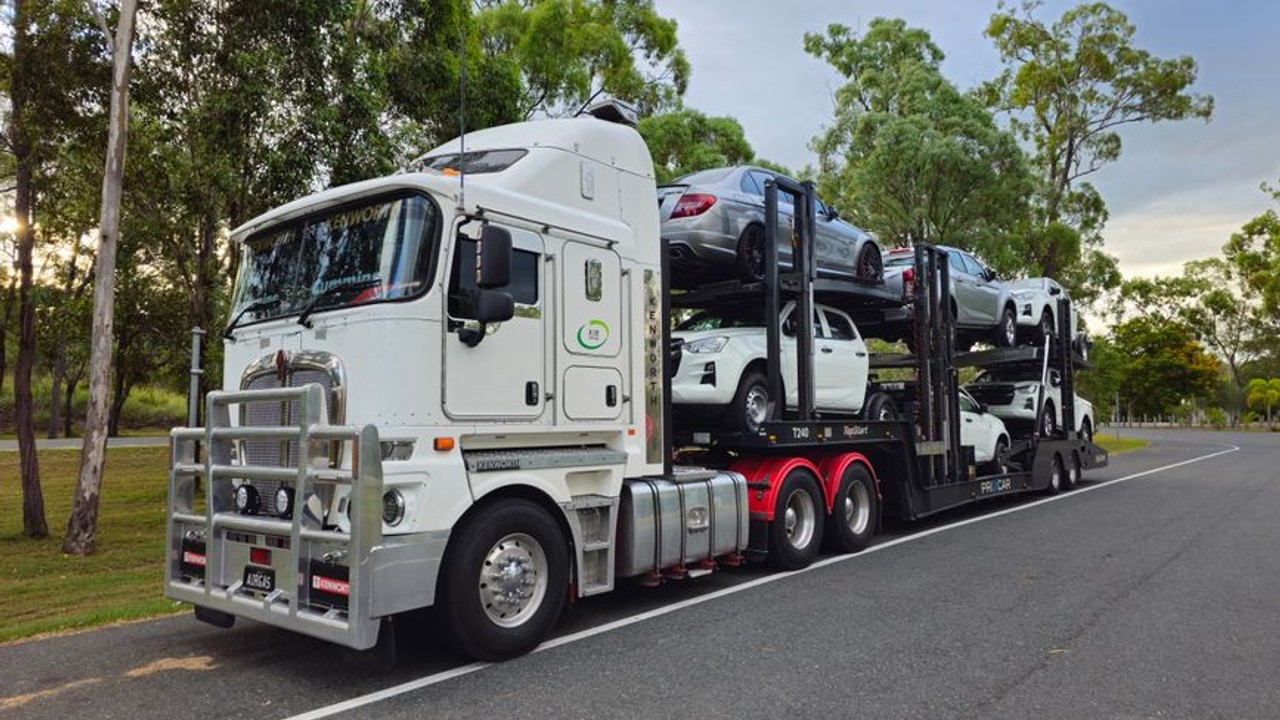
What is Carrier Insurance?
Carrier insurance refers to the policies held by the actual company operating the car carrier truck. This insurance is designed to cover potential damages or losses to the vehicles being transported under their care. It's crucial to remember that this coverage applies specifically to incidents that occur while your vehicle is in the carrier's possession, from the moment it's loaded onto the truck until it's delivered to its destination.
Types of Carrier Coverage
While the specifics can vary slightly between carriers, the primary types of coverage you'll encounter are:
- Cargo Insurance: This is the most directly relevant insurance for your vehicle. Cargo insurance covers damage to the vehicles being transported due to the carrier's negligence, errors, or accidents during transit. This can include:
- Collision damage while on the truck.
- Fire.
- Theft (of the entire vehicle, not just contents).
- Damage from overturning of the transport truck.
- Vandalism while the vehicle is secured on the carrier.
It's important to note that cargo insurance typically covers damages that are a direct result of the transport process. It usually does NOT cover "Acts of God" (natural disasters like hail, tornadoes, hurricanes, earthquakes) unless specifically stated and often excludes pre-existing damage, mechanical failures unrelated to transport, or personal items left inside the vehicle.
- General Liability Insurance: While less directly related to damage to your specific car, general liability insurance covers the carrier for damages to third-party property or bodily injury caused by their operations. For example, if the car carrier were to accidentally damage a fence while navigating a tight residential street for door-to-door delivery, their general liability insurance would come into play.
Coverage Limits and Deductibles
Every carrier's cargo insurance policy has a coverage limit, which is the maximum amount it will pay out for damages. These limits can vary significantly, often ranging from $100,000 to over $1,000,000 per load (meaning the total value of all cars on the truck). For individual vehicles, there might also be a per-vehicle limit. Reputable carriers typically have sufficient coverage to protect the value of the vehicles they transport.
Most carrier policies also come with a deductible, which is the amount the insured party (in this case, the carrier) must pay out of pocket before the insurance coverage kicks in. For customers, it's generally good news that carrier deductibles are usually paid by the carrier themselves in the event of a claim, meaning you won't typically be asked to pay it directly. However, understanding that a deductible exists is part of comprehending the full scope of their policy.
Practical Tip: Always ask your auto transport broker to confirm the specific coverage limits of the carrier assigned to your shipment. This information should be readily available and provides an extra layer of assurance. At Shipping a Car Cross Country, we pre-vet all our carriers to ensure they meet stringent insurance requirements.
Your Personal Auto Insurance ”“ Does It Cover Shipping?
One of the most common questions customers have is whether their personal auto insurance policy will cover their vehicle while it's being transported. The answer is: it depends, and often, the coverage is very limited or non-existent for damages occurring during professional transport.
Collision and Comprehensive Coverage
If you have collision and comprehensive coverage on your personal auto policy, it's designed to protect your vehicle from a wide range of perils, including accidents, theft, vandalism, and natural disasters. However, many personal policies contain exclusions for when your vehicle is being professionally transported by a third-party carrier.
- Some policies might cover damage due to "Acts of God" (like hail or floods) even during transport, as long as it's not directly caused by the carrier's negligence.
- Others might completely exclude any damage occurring once the vehicle is in the care of a transport company, deferring all responsibility to the carrier's insurance.
Actionable Advice: Before you ship your car, contact your personal auto insurance provider. Explain that you will be using a professional auto transport service for cross-country shipping and ask specifically what, if anything, their policy covers while the vehicle is in transit on a commercial carrier. Get their response in writing if possible.
Gap in Coverage
The primary gap often lies in coverage for damages caused by the carrier's negligence. Your personal collision coverage is typically for accidents where *you* are driving or for incidents where you are at fault or an uninsured driver is. When a professional carrier is operating, their insurance is the primary line of defense against their own negligence.
Therefore, relying solely on your personal auto insurance for cross-country car shipping can leave you exposed, especially if the damage is clearly the fault of the transporter.

Supplemental Insurance ”“ Extra Peace of Mind
For those who desire maximum protection or have high-value, classic, or custom vehicles, supplemental insurance policies offer an excellent solution. These policies are designed to either fill the gaps left by standard carrier insurance or provide more extensive "all-risk" coverage.
What is Supplemental Coverage?
Supplemental auto transport insurance is typically offered by third-party insurance providers or sometimes facilitated through auto transport brokers. It's an additional layer of protection beyond what the carrier's standard cargo insurance provides. This type of insurance can be particularly appealing if you're shipping a high-value asset, such as a luxury car, a classic collectible, or a highly modified vehicle, where the standard carrier limits might not fully cover its total value.
Types of Supplemental Policies
- "All-Risk" Policies: These are the most comprehensive type of supplemental coverage. An "all-risk" policy typically covers almost any type of damage or loss, regardless of fault, with only a few specific exclusions (e.g., acts of war, nuclear risks, pre-existing damage unless specified). This means it can cover "Acts of God" and other incidents that might fall outside a carrier's standard cargo insurance.
- Gap Coverage: If you're concerned that the carrier's per-vehicle coverage limit might not be sufficient to cover the full market value of your car, gap coverage can step in. It pays the difference between what the carrier's insurance covers and the actual appraised value of your vehicle, up to the supplemental policy's limit.
- Deductible Coverage: Some policies might cover the deductible that applies to the carrier's primary insurance, ensuring you don't have any out-of-pocket costs if a claim is filed against the carrier.
When to Consider Supplemental Insurance
While an added expense, supplemental insurance can be a worthwhile investment in specific situations:
- High-Value Vehicles: Luxury cars, sports cars, and new vehicles often exceed the per-vehicle limits of some standard carrier policies.
- Classic or Antique Cars: These vehicles often have unique parts and sentimental value, making comprehensive coverage invaluable.
- Modified or Custom Vehicles: Standard policies might not fully recognize the increased value of custom paint jobs, aftermarket parts, or specialized modifications.
- Exotic Cars: Vehicles that are rare or highly specialized often require tailored insurance solutions.
- Peace of Mind: If you're simply looking for the absolute maximum protection and want to minimize any potential financial risk, supplemental insurance is a great choice.
How to Obtain Supplemental Insurance: You can often inquire about supplemental insurance options directly with your auto transport broker. Many reputable brokers, including Shipping a Car Cross Country, partner with third-party insurance providers to offer these additional coverages. Alternatively, you can seek out specialized vehicle transport insurance companies directly.
Practical Tip: Always read the supplemental policy documents thoroughly. Understand the coverage limits, what is explicitly included, what is excluded, and the claims process before purchasing. Don't hesitate to ask questions to ensure you fully comprehend what you're buying.
The Claims Process ”“ What Happens If Damage Occurs?
Even with the best preparation, unforeseen circumstances can arise. Knowing the correct claims process is paramount to a smooth resolution if your vehicle unfortunately sustains damage during cross-country car shipping.
Pre-Shipping Inspection ”“ The Most Crucial Step
This cannot be stressed enough: the pre-shipping inspection is your first and most powerful line of defense. Before your vehicle is loaded onto the car carrier, you (or your designated representative) and the driver will conduct a thorough inspection of the vehicle's condition. This is documented on a Bill of Lading (BOL) or Condition Report.
- Document Everything: Walk around the entire vehicle with the driver. Note every scratch, dent, chip, or mechanical issue, no matter how minor.
- Take Photos and Videos: Use your smartphone to take clear, date-stamped photos and videos of every angle of your vehicle, focusing on existing damage. Take close-ups of any problem areas. This visual evidence is invaluable.
- Sign Off: Ensure all existing damages are clearly noted on the BOL by the driver and yourself before signing. This document is a legal contract that serves as proof of your car's condition prior to transport.

Post-Delivery Inspection ”“ Your Immediate Action
When your vehicle is delivered (especially with convenient door-to-door auto shipping), the process is just as critical:
- Inspect Immediately: Before the driver leaves, thoroughly inspect your vehicle upon delivery. Do not rush. Compare its condition against the original BOL and your pre-shipping photos/videos.
- Note New Damage: If you find any new damage, no matter how small, point it out to the driver immediately.
- Document New Damage: Get the driver to acknowledge and sign off on the new damage on the delivery BOL. Take new photos and videos of the damage, showing its location and severity. Do not sign the BOL "clear" if there is new damage.
- Do NOT Wash the Car: Dust and grime can sometimes obscure minor scratches. However, it's generally advised not to wash the car until after the inspection, as washing can sometimes complicate the claims process if the damage is extremely minor or could be attributed to the wash.
Filing a Claim
If you discover new damage that occurred during transit:
- Notify the Driver: Make sure the driver notes the damage on the delivery BOL and provides you with a copy.
- Contact Your Broker: Immediately reach out to your auto transport broker (like Shipping a Car Cross Country). We can guide you through the next steps and help facilitate communication with the carrier.
- Gather Documentation: You'll need your original BOL, the delivery BOL (with damage noted), your pre-shipping photos/videos, and photos/videos of the new damage.
- Obtain Repair Estimates: Get at least two written repair estimates from certified body shops for the documented damage.
- Submit Claim: Your broker will assist you in submitting the claim to the carrier's insurance company. Be prepared for a process that can take some time, as insurance companies investigate claims.
Timeline: Most carriers and their insurance companies have strict time limits for filing claims, often as short as 24 to 48 hours after delivery. Missing this window can jeopardize your ability to claim compensation.

Key Considerations and Tips for a Secure Shipment
Beyond understanding the insurance types, a proactive approach to your car shipping experience can significantly reduce risks and enhance your peace of mind:
- Choose Reputable Companies: This is paramount. Working with established and highly-rated auto transport brokers like Shipping a Car Cross Country ensures you're partnered with fully licensed, bonded, and insured carriers. We rigorously vet our network of car carriers to ensure they meet our high standards for safety and reliability. For more information on choosing a reliable partner, check out our blog on Top Auto Transport Companies.
- Read the Bill of Lading (BOL): This document is your best friend. It”™s not just a receipt; it”™s a legal record of your vehicle”™s condition. Understand every detail before you sign.
- Understand Exclusions: Be aware of what standard carrier insurance typically does NOT cover. This includes personal belongings inside the vehicle, mechanical problems that arise independently (e.g., a dead battery or brake failure not caused by transport), and often, "Acts of God" (natural disasters).
- Document Everything: We can't say it enough. Photos, videos, email exchanges, and notes of phone calls are your proof in case of a dispute.
- Ask Questions: If anything is unclear about the insurance coverage, transit process, or claims procedure, ask your auto transport specialist. A good broker will be happy to clarify. You can always contact us with any questions.
- Open vs. Enclosed Transport: While carrier insurance applies to both, enclosed car shipping offers an additional layer of physical protection from road debris, weather elements, and potential vandalism, further reducing the chances of minor damage. This can be especially appealing for luxury, classic, or highly valuable vehicles.
- Empty Your Vehicle: Remove all personal belongings, especially valuables, from your car. Carrier insurance does not cover the contents of your vehicle. Any items left inside could also shift during transit and cause internal damage.
Conclusion
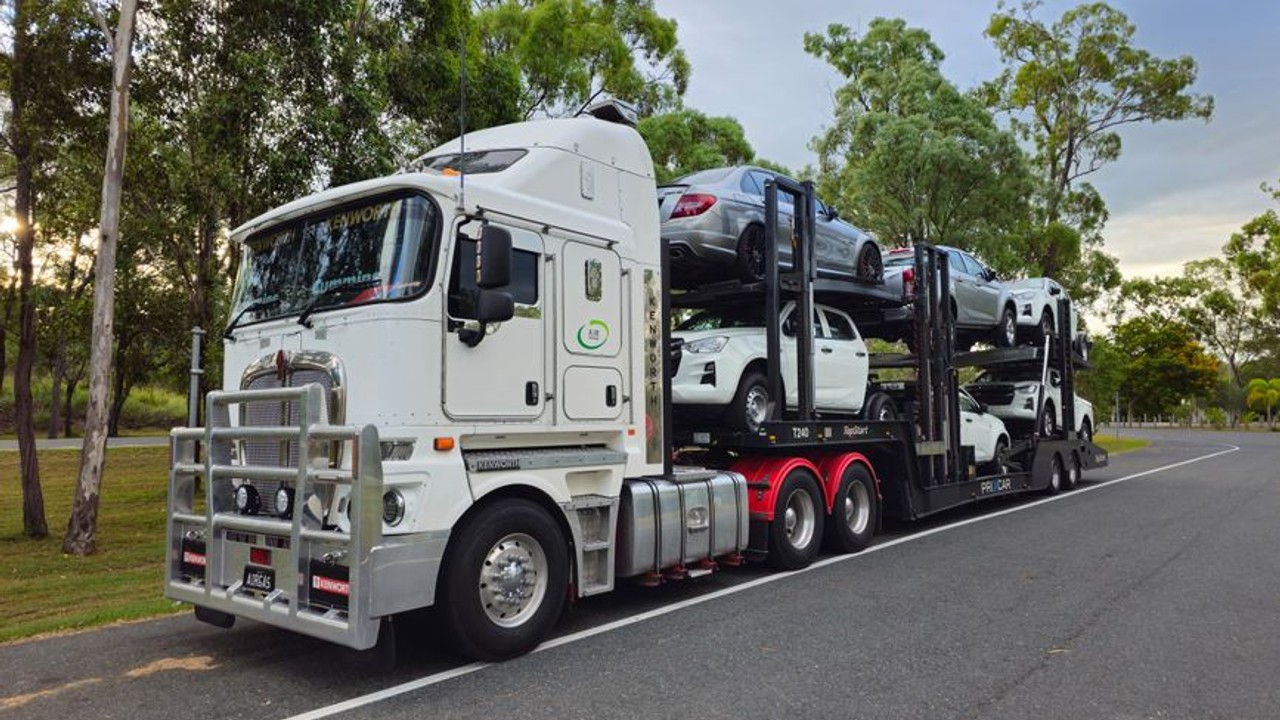
Shipping a car cross country doesn't have to be a gamble. By understanding the insurance options available ”“ from the legally mandated carrier insurance to your personal auto policy's limitations and the robust protection of supplemental coverage ”“ you can make informed decisions that safeguard your investment. While incidents are rare, being prepared means you're covered for every eventuality.
At Shipping a Car Cross Country, your peace of mind is our priority. We work tirelessly to connect you with highly reputable, fully insured carriers, ensuring your vehicle is in safe hands from pickup to door-to-door delivery. Don't leave your vehicle's safety to chance.
Ready to ship your car with confidence? Get a free, instant quote today and let our experts help you navigate the world of auto transport with the assurance of proper insurance coverage. Calculate your shipping cost or visit our services page to learn more about how we can help you with your next vehicle transport.