What Are the Legal Requirements for Shipping a Car Across State Lines in the U.S.?
Shipping a car across state lines in the U.S. is a common necessity for many Americans, whether you're relocating for a new job, sending a vehicle to a college student, or buying a classic car from out of state. While the process itself might seem straightforward ”“ you book a service, and your car arrives ”“ there's a crucial layer of legal requirements and regulations governing interstate vehicle transport that often goes overlooked by consumers. Understanding these rules is not just about avoiding potential pitfalls; it's about ensuring your vehicle's journey is smooth, compliant, and stress-free.
At Shipping a Car Cross Country, we believe in empowering our customers with comprehensive knowledge. This detailed guide will walk you through the intricate web of federal and state regulations, the essential paperwork you'll need, and the compliance rules that govern cross country shipping. From the overarching authority of the FMCSA to the nuanced specifics of state DMVs, we'll demystify the legal landscape of professional car shipping, helping you make informed decisions and choose a reputable auto transport company.
The Regulatory Landscape: Federal Oversight of Interstate Car Shipping
The vast majority of legal requirements for shipping a car across state lines fall under federal jurisdiction, primarily due to the interstate nature of the service. These regulations are designed to ensure safety, fair business practices, and accountability across the entire vehicle transport industry. Any reputable car carrier operating in the U.S. must adhere to these stringent federal mandates.
Federal Motor Carrier Safety Administration (FMCSA)
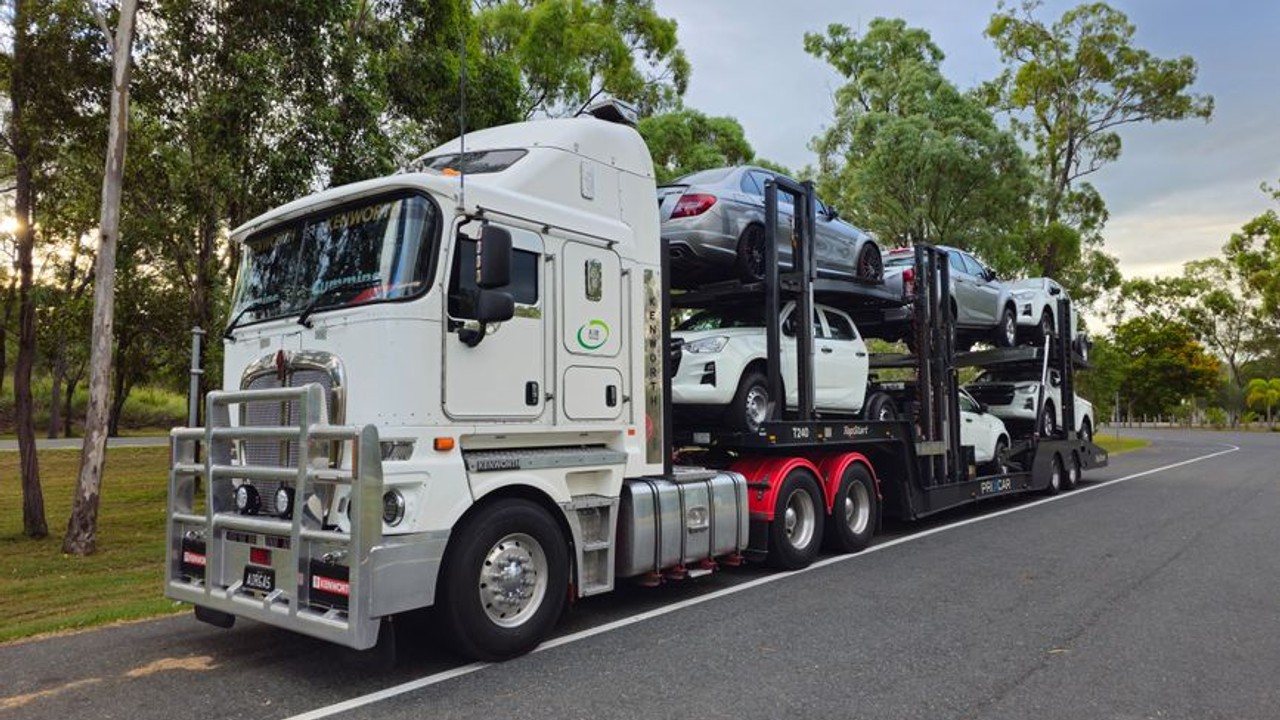
The Federal Motor Carrier Safety Administration (FMCSA) is the primary federal agency overseeing commercial motor vehicles, including those involved in auto shipping. Their mission is to reduce crashes, injuries, and fatalities involving large trucks and buses. For car shipping companies, the FMCSA sets forth a comprehensive set of rules:
- Operating Authority (MC Number): Every company engaged in interstate commerce as a for-hire motor carrier must possess an active MC (Motor Carrier) number issued by the FMCSA. This number signifies their operating authority and allows them to transport goods (including vehicles) for compensation across state lines. Consumers should always verify a carrier's MC number on the FMCSA SAFER website.
- Safety Regulations: The FMCSA enforces strict safety regulations covering everything from driver qualifications (CDL requirements, drug and alcohol testing programs) to vehicle maintenance standards (pre-trip inspections, record-keeping). These rules are crucial for ensuring the safe transport of your vehicle and the well-being of everyone on the road.
- Hours of Service (HOS): To prevent driver fatigue, the FMCSA mandates strict hours of service regulations, limiting how long drivers can operate their vehicles without rest. This indirectly impacts transit times but is vital for safety.
- Insurance Requirements: The FMCSA sets minimum insurance requirements for interstate motor carriers. Specifically, carriers must maintain Bodily Injury and Property Damage (BIPD) liability insurance. For a typical open auto transport carrier, this is usually a minimum of $750,000, but often $1,000,000. This covers damages to third parties or property in the event of an accident. While this covers general liability, specific cargo insurance directly covers your vehicle during transport, and reputable carriers carry significant coverage, often ranging from $100,000 to $250,000 per vehicle on the trailer, with higher limits for enclosed carriers.
- Compliance and Penalties: Failure to comply with FMCSA regulations can result in severe penalties, including fines, out-of-service orders, and revocation of operating authority. This strict oversight ensures that only compliant and safe carriers operate in the interstate auto transport industry.
Department of Transportation (DOT)
While the FMCSA is an agency within the Department of Transportation (DOT), the DOT itself sets broader policies and frameworks that impact the vehicle transport industry. All commercial vehicles, including those used for state-to-state car shipping, must have a DOT number. This unique identifier helps the DOT collect safety data during roadside inspections, crash investigations, and compliance reviews.
- Unified Carrier Registration (UCR): The UCR is an annual federal program that requires individuals and companies that operate commercial motor vehicles in interstate or international commerce to register with a participating state and pay an annual fee. This program helps fund state highway programs and ensure compliance with various federal regulations. Your chosen auto shipping provider must be current with their UCR registration.
Navigating State-Specific Nuances in Vehicle Transport
While federal regulations form the backbone, individual states also have laws and regulations that can affect the car shipping process, particularly regarding vehicle registration, titling, and specific operational aspects for carriers within their borders.
Registration and Licensing
When you're shipping your car, especially if you're relocating or selling/buying a vehicle, understanding state-specific requirements for registration and licensing at the destination is crucial:
- New Registration in Destination State: If you're permanently moving to a new state, you'll typically need to register your vehicle with that state's Department of Motor Vehicles (DMV) within a specified timeframe (e.g., 30, 60, or 90 days) after establishing residency. This usually involves providing proof of ownership (title), proof of insurance, and sometimes an emissions test or safety inspection.
- Temporary Transit Permits: If you're shipping a newly purchased vehicle that isn't yet registered in your name or in the destination state, you might need to acquire a temporary transit permit from either the state of purchase or your destination state. This allows you to legally drive the vehicle for a short period to complete registration. Always check with the relevant state's DMV for their specific requirements.
- Emissions and Safety Inspections: Many states require vehicles to pass emissions tests and/or safety inspections before they can be registered. While these are typically done *after* your car arrives at its destination, it's a vital part of legally establishing your vehicle in the new state. Your vehicle transport company is not responsible for these inspections, but you need to be aware of them.
State Department of Motor Vehicles (DMV) Regulations
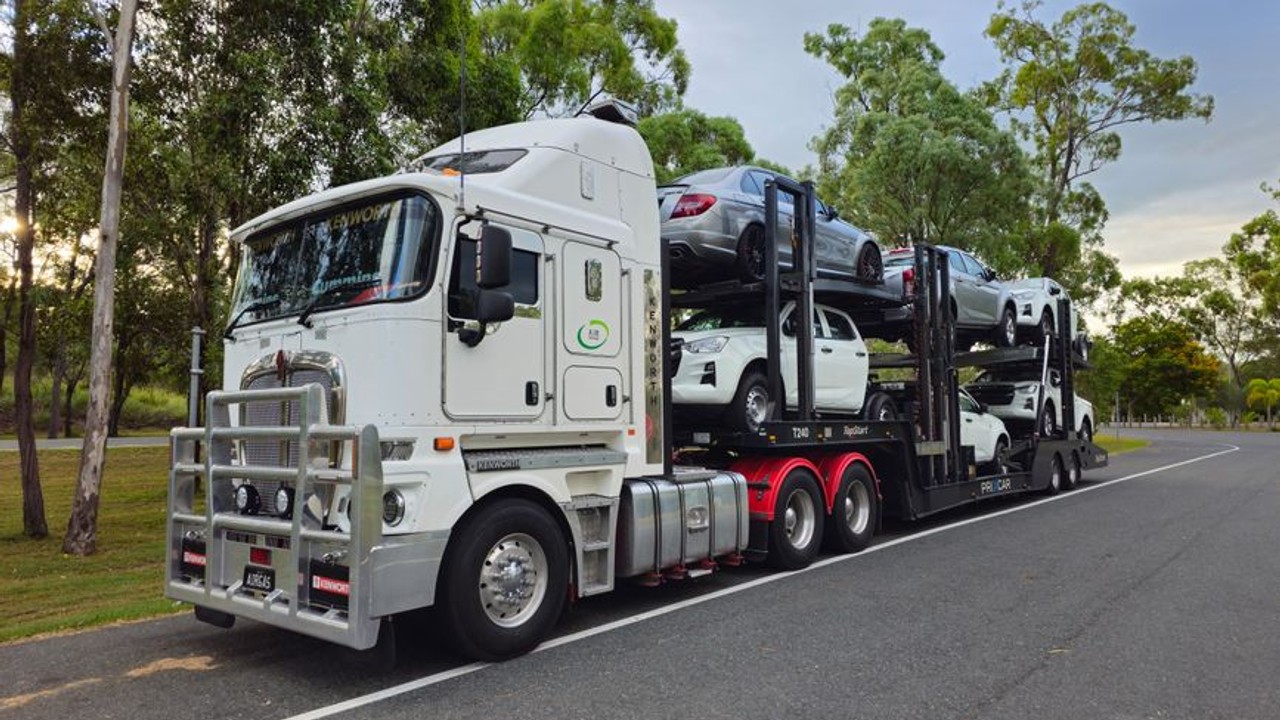
DMV regulations primarily impact the vehicle owner, not directly the car shipping company, but they are an integral part of the overall legal process when moving a car interstate.
- Vehicle Titling: Ensuring your vehicle's title is clear and properly transferred is paramount, especially when buying or selling a car across state lines. If there's a lienholder (e.g., a bank that financed the car), they will hold the title, and you'll need their authorization to ship the vehicle.
- Sales Tax Implications: When purchasing a vehicle from another state, you'll typically pay sales tax based on the laws of your state of residence, not necessarily the state where you bought the car. This is usually handled during the registration process at your local DMV.
- Lienholder Authorization: If your vehicle is financed, your lender (lienholder) technically owns the title. Most lenders have specific requirements if you want to ship the vehicle across state lines, especially if it's for an extended period or a permanent move. You may need to provide them with the shipping details or even obtain a letter of authorization from them.
Local Ordinances and Restrictions for Car Carriers
While less common, some local municipalities might have specific ordinances that can affect the final leg of your vehicle's journey, especially for door-to-door car shipping.
- Weight and Size Restrictions: Large car carrier trucks might be restricted from certain residential streets due to weight limits or tight turns. In such cases, the driver will arrange a mutually convenient, safe, and legal meeting point for pickup or delivery, often a nearby large parking lot.
- Time Restrictions: Some areas may have noise ordinances or specific times when large commercial vehicles are allowed to operate, which could slightly impact delivery schedules.
Essential Paperwork for a Smooth Cross-Country Car Shipping Experience
Beyond federal and state regulatory compliance by the carrier, you, as the vehicle owner, also have a role in ensuring all necessary documentation is in order. Having the correct paperwork is vital for smooth pickup, transport, and delivery, and serves as a legal record of the transaction.
Bill of Lading (BOL)
The Bill of Lading (BOL) is the single most important document in the auto transport process. It serves multiple purposes:
- Contract of Service: It's a legally binding contract between you (the shipper) and the car carrier.
- Receipt of Goods: It acts as a receipt for your vehicle.
- Condition Report: Crucially, the BOL details the vehicle's condition at pickup. Both you (or your designated representative) and the driver will inspect the vehicle together, noting any existing damages (dents, scratches, chips). This is paramount for insurance claims in case of new damage during transit. Always take photos or videos at pickup and delivery to supplement the BOL.
- Key Information: The BOL includes vital details such as pickup and delivery addresses, contact information, vehicle make, model, VIN, and agreed-upon price.

Proof of Ownership and Identification
While you don't typically need to provide your original title to the driver for standard shipping, you or your designated representative will need to provide proof of ownership and identification.
- Vehicle Registration or Title Copy: The driver may ask to see a copy of your vehicle's registration or title to verify ownership and the VIN. Never send the original title with the vehicle.
- Personal Identification: You or the person releasing/receiving the car will need to show a valid government-issued ID (e.g., driver's license) for verification.
- Lienholder Authorization: As mentioned, if your vehicle is financed, your lienholder may require a formal letter of authorization for vehicle transport.
Insurance Documentation
Understanding insurance is critical for peace of mind and legal compliance.
- Carrier's Cargo Insurance: As stipulated by federal law, all licensed auto transport companies must carry cargo insurance. This covers your vehicle against damage during transit due to carrier negligence. Always ask for proof of their cargo insurance and understand its coverage limits and deductibles.
- Your Personal Auto Insurance: Most personal auto insurance policies offer some coverage while your car is being transported, but the extent varies greatly. It's highly recommended to contact your personal insurance provider to understand what is covered, what isn't, and if there are any limitations or exclusions during professional transport. Some policies might exclude damage during transit by a third party.
- Gap Coverage/Supplemental Insurance: For high-value vehicles or simply for extra peace of mind, you might consider purchasing supplemental transit insurance from a third-party provider or directly from the broker if they offer it.
Power of Attorney (POA) (If applicable)
If you cannot be present for pickup or delivery, you'll need to designate someone else. This usually doesn't require a formal POA for standard shipping, but rather a simple authorization. However, in specific legal scenarios (e.g., if you're shipping a vehicle on behalf of someone incapacitated, or if you're an executor of an estate), a legal Power of Attorney might be necessary. In most cases, a designated contact person with your explicit permission and a copy of your ID will suffice.
Compliance and Best Practices for Vehicle Transport Success
Beyond the strict legalities, adopting best practices significantly contributes to a smooth and compliant cross country car shipping experience.
Choosing a Reputable Car Carrier
This is perhaps the most critical decision you'll make, impacting both legality and service quality.
- Verify FMCSA Registration: Always use the FMCSA SAFER website to check a carrier's MC number, safety record, and insurance status. Ensure they are "Authorized for Property" (common or contract).
- Check Reviews and Reputation: Look for companies with consistently positive reviews on platforms like Google, BBB, and transport review sites. High-quality service providers prioritize customer satisfaction.
- Get Detailed Quotes: Obtain quotes from several reputable companies. Be wary of quotes that are significantly lower than others, as they might indicate hidden fees, inexperienced carriers, or non-compliance issues. Use our shipping calculator to get instant estimates.
- Understand the Contract: Read the terms and conditions carefully before booking. Pay attention to cancellation policies, estimated delivery times, and additional charges.
Preparing Your Vehicle for Interstate Shipping
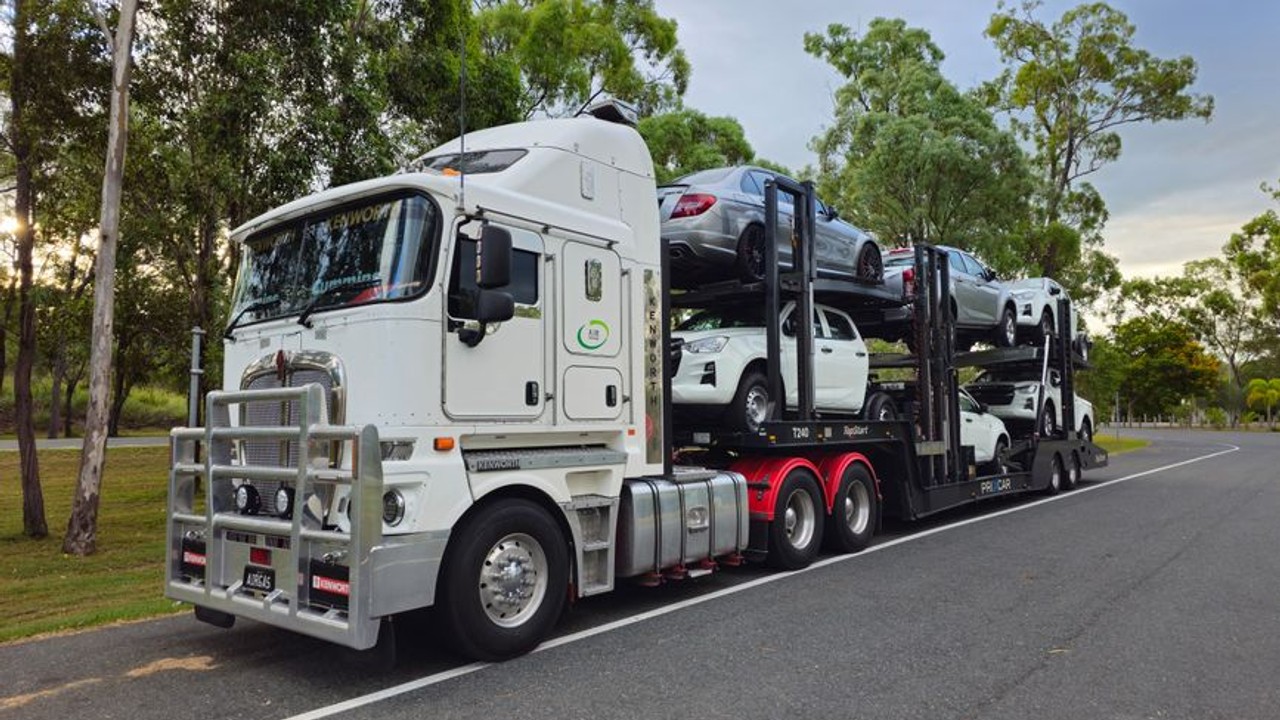
Proper preparation not only helps prevent damage but can also comply with carrier requirements and insurance stipulations.
- Clean Your Vehicle: A clean car makes it easier to inspect for existing damage before transport.
- Document Condition: Take dated photos or videos of your vehicle from all angles, focusing on any existing dents, scratches, or chips. This serves as crucial evidence if a damage claim arises.
- Remove Personal Items: Legally, car carriers are licensed to transport vehicles, not household goods. Most carriers strictly prohibit personal belongings inside the car due to weight restrictions, potential for damage, and insurance limitations. If allowed by the carrier, only a small amount of non-valuable items in the trunk may be permissible, but this is at your own risk and typically not insured.
- Fuel Level: Keep the fuel tank to about a quarter full. This provides enough fuel for loading/unloading and transport to a gas station without adding unnecessary weight.
- Tire Pressure and Fluids: Ensure tires are properly inflated and all fluid levels (oil, coolant, brake fluid) are adequate.
- Disable Alarms: Inform the driver if your car alarm is sensitive or needs to be disabled to prevent accidental activation during transport.
- Remove Custom Accessories: Detach any non-permanent custom accessories (spoilers, fog lights, roof racks, antennas) that could be vulnerable to damage.
Understanding Your Rights and Responsibilities
As a consumer, you have rights protected by federal law, and understanding them is part of being compliant and prepared.
- Consumer Protection: The FMCSA provides resources for consumers, including how to file complaints against carriers.
- Damage Claims: If your vehicle is damaged during transport, document it on the Bill of Lading at delivery, take photos, and immediately contact the carrier and your broker to initiate a claim. Adhering to the BOL's damage report is legally critical.
- Delays: While carriers strive for timely delivery, unforeseen circumstances (weather, road closures, mechanical issues) can cause delays. Most contracts will stipulate a reasonable delivery window rather than a guaranteed date.

Special Considerations for Different Scenarios
While the core legal requirements remain consistent, certain vehicle types or situations might introduce additional considerations.
Inoperable Vehicles
Shipping a car that doesn't run requires specialized equipment, such as winches, which not all car carriers possess. Legally, the carrier must be equipped to safely load and unload an inoperable vehicle without causing further damage or safety hazards. Always disclose if your vehicle is inoperable when getting a quote, as it impacts pricing and carrier assignment.
Classic, Luxury, or Modified Vehicles
For high-value vehicles, classics, or heavily modified cars, enclosed vehicle transport is often recommended. While not a legal requirement, it offers enhanced protection from road debris and weather. Insurance considerations for these vehicles are paramount, and you should ensure the carrier's cargo insurance limits are sufficient to cover the full value of your vehicle. Additional personal insurance or specific agreements may be advisable.
POV (Privately Owned Vehicle) vs. Commercial Vehicles
This guide primarily focuses on shipping privately owned passenger vehicles. The regulations for transporting commercial vehicles (e.g., heavy-duty trucks, construction equipment) are significantly more complex, involving different licensing, permits, and often specialized carriers compliant with oversized load regulations.
Conclusion: Your Path to Compliant and Stress-Free Car Shipping
Navigating the legal landscape of interstate car shipping doesn't have to be daunting. By understanding the foundational federal regulations set by the FMCSA and DOT, being aware of state-specific registration nuances, and diligently managing your paperwork, you can ensure your vehicle's journey across state lines is fully compliant and without incident. Choosing a reputable, legally compliant auto transport provider like Shipping a Car Cross Country is your best defense against potential issues.
We pride ourselves on our transparency, adherence to all legal requirements, and commitment to providing a seamless experience for every customer. Whether you're moving a family sedan or a prized classic, trust us to handle your cross country shipping with the utmost professionalism and care. Ready to get a reliable quote and experience hassle-free vehicle transport? Get your instant quote today or contact us to speak with a transport specialist.