What Are the Pros and Cons of Open vs. Enclosed Car Shipping for Cross-Country Moves?
Embarking on a cross-country move is a monumental task, and figuring out how to transport your vehicle safely and efficiently is often one of the biggest challenges. Whether you're relocating for a new job, moving to a different state, or sending a vehicle to a loved one, the decision of choosing between open and enclosed car shipping can significantly impact your budget, timeline, and ”“ most importantly ”“ the condition of your beloved car upon arrival. At Shipping a Car Cross Country, we understand the nuances of vehicle transport and are here to guide you through this crucial choice.
For long-distance moves, especially when considering a full cross country shipping journey, the stakes are higher. You”™re not just moving a car; you”™re moving a significant asset, and ensuring its protection against the rigors of thousands of miles of road travel is paramount. This comprehensive guide will delve deep into the pros and cons of both open and enclosed auto transport methods, comparing costs, protection levels, and suitability to help you make the best decision for your specific needs.
Understanding the Basics: Open vs. Enclosed Car Shipping
Before we dive into the detailed comparison, let's briefly define what each auto shipping method entails:
Open Car Shipping: The Industry Standard
Open car shipping is the most common and widely recognized method of vehicle transport. Your car is loaded onto an open-air trailer, typically a multi-car hauler, exposed to the elements. These trailers can carry anywhere from 5 to 10 vehicles at once, making them highly efficient and cost-effective. While exposed, your vehicle is securely fastened to the trailer to prevent movement during transit.
Enclosed Car Shipping: The Premium Option
Enclosed car shipping involves transporting your vehicle inside a fully enclosed trailer, protecting it from weather, road debris, and potential theft. These trailers typically carry fewer vehicles (usually 1-6) and offer a higher level of security and protection. Enclosed transport is often preferred for high-value, classic, luxury, or custom vehicles.
Open Car Shipping: The Workhorse of Auto Transport
Open car shipping dominates the vehicle transport industry, accounting for the vast majority of all auto shipping services. Its popularity stems from a combination of affordability and widespread availability, making it an excellent choice for many drivers looking to move their vehicle across state lines.
Pros of Open Car Shipping:
- Cost-Effectiveness: This is arguably the biggest advantage. Open car carriers can transport multiple vehicles simultaneously, which significantly reduces the cost per vehicle. If budget is your primary concern for a cross country shipping journey, open transport will almost always be the cheaper option.
- Availability and Flexibility: Due to their prevalence, finding an open car carrier is generally easier and faster. This translates to more flexible pick-up and delivery schedules, which can be a huge benefit if you have tight deadlines for your move. Open transport routes are more frequent, especially on major state to state car shipping corridors.
- Faster Transit Times: Because there are more open carriers on the road and they cover more routes, your vehicle is often picked up and delivered more quickly compared to enclosed options, especially for long-distance moves.
- Ideal for Everyday Vehicles: For standard sedans, SUVs, and trucks that are already exposed to daily driving conditions, open transport offers adequate protection without the premium price tag.
Cons of Open Car Shipping:
- Exposure to Elements and Road Debris: Your vehicle will be exposed to rain, snow, sun, dust, and potential road hazards like rocks and bugs throughout its journey. While carriers take precautions, minor cosmetic issues (like dirt or bug splatters) are possible.
- Less Protection from Theft/Vandalism: Although rare, an exposed vehicle has a higher theoretical risk of theft or vandalism compared to one hidden inside an enclosed trailer.
- Limited Protection for Unique Vehicles: For very low-clearance vehicles, exotic cars, or custom builds, the exposure and slight risks associated with open transport might be a concern.
Best Suited For: Everyday drivers, family sedans, SUVs, standard pickup trucks, leased vehicles, and anyone prioritizing budget and speed over absolute pristine condition upon arrival. If your vehicle is already subject to regular outdoor exposure, open transport is a practical and economical choice.
Cost Analysis: The cost of open car shipping is typically 30-50% less than enclosed shipping. Factors influencing the price include distance, vehicle size, time of year (peak seasons are more expensive), and specific pick-up/delivery locations (e.g., door-to-door service vs. terminal). For instance, shipping a standard sedan cross-country via open transport might range from $800 to $1500, depending on the route and current demand.
Protection Level: Reputable auto transport companies provide comprehensive insurance coverage for damages caused by the carrier's negligence. While your car is exposed, it's secured to prevent movement and most carriers have excellent safety records. It's always wise to perform a thorough inspection and take photos before and after transport.
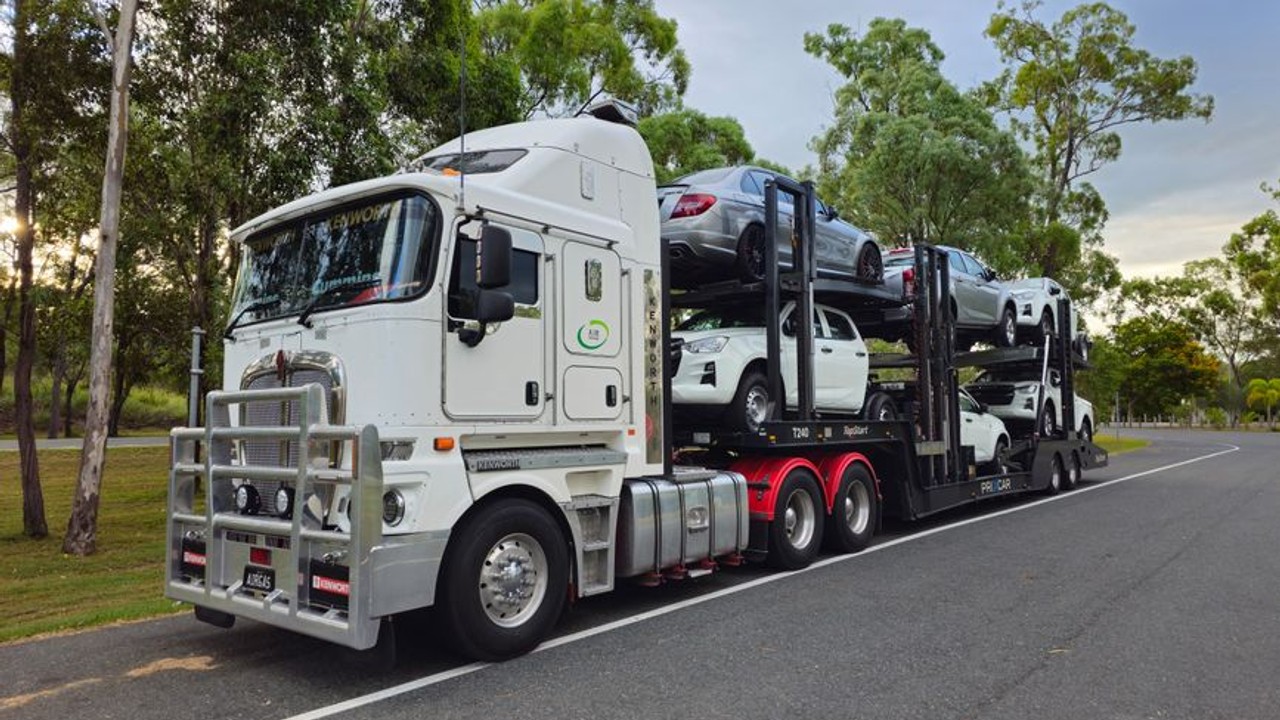
Practical Tips for Open Transport:
- Clean Your Car: A clean car makes it easier to spot any pre-existing damage during the initial inspection.
- Remove Valuables: Although highly unlikely, don't leave personal items or valuables in your car. Insurance typically only covers the vehicle itself.
- Check Fluid Levels and Tire Pressure: Ensure your car is in good running condition, even if it won't be driven.
- Inspect and Document: Thoroughly inspect your vehicle with the driver during pick-up and delivery. Take photos or videos as proof of its condition.
Enclosed Car Shipping: The Premium Choice for Maximum Protection
When your vehicle is more than just transportation ”“ perhaps a prized possession, a significant investment, or a future classic ”“ enclosed car shipping becomes the preferred method. It offers an unparalleled level of protection, giving you peace of mind throughout the entire auto shipping process.
Pros of Enclosed Car Shipping:
- Superior Protection from Elements: Your vehicle is completely shielded from rain, snow, hail, dust, dirt, rocks, and any other road debris. It arrives in the same pristine condition it was in when loaded.
- Enhanced Security: Enclosed trailers offer a higher level of security against theft and vandalism, as the vehicle is out of sight and inaccessible once inside the trailer.
- Reduced Risk of Damage: The controlled environment minimizes the risk of cosmetic damage, making it ideal for show cars, luxury vehicles, and custom builds that are susceptible to even minor imperfections.
- Specialized Handling: Enclosed carriers often come equipped with hydraulic lift gates for low-clearance vehicles and experienced drivers who specialize in handling high-value automobiles.
- Peace of Mind: For many, the added cost is worth the assurance that their valuable asset is completely protected from external factors.
Cons of Enclosed Car Shipping:
- Higher Cost: This is the most significant drawback. Due to specialized equipment, fewer vehicles per load, and often specialized drivers, enclosed transport costs considerably more than open transport.
- Less Availability: There are fewer enclosed car carriers on the road compared to open ones, which can sometimes lead to longer wait times for pick-up and potentially less flexible scheduling.
- Potentially Slower Transit Times: With fewer carriers and more specialized routes, transit times might be slightly longer, especially for less common destinations.
Best Suited For: Luxury vehicles (e.g., Mercedes, BMW, Audi, Lexus), classic cars (e.g., vintage Mustangs, Corvettes), exotic cars (e.g., Ferrari, Lamborghini, McLaren), sports cars, custom builds, antique vehicles, and any car where maintaining its pristine condition is a top priority. Owners of brand-new vehicles or those being shipped for a show or auction also frequently opt for enclosed transport.
Cost Analysis: Enclosed car shipping typically costs 30-50% more than open transport, and sometimes even more for single-car enclosed trailers. Shipping a high-value vehicle cross-country via enclosed transport could range from $1200 to $2500+, depending on the factors mentioned earlier, plus the specific value of the vehicle (which can influence insurance premiums).
Protection Level: Enclosed transport offers the highest level of protection available in auto logistics. Your vehicle is safe from all external elements, and specialized loading equipment minimizes handling risks. Insurance policies for enclosed carriers are typically more comprehensive to match the value of the cargo they transport.
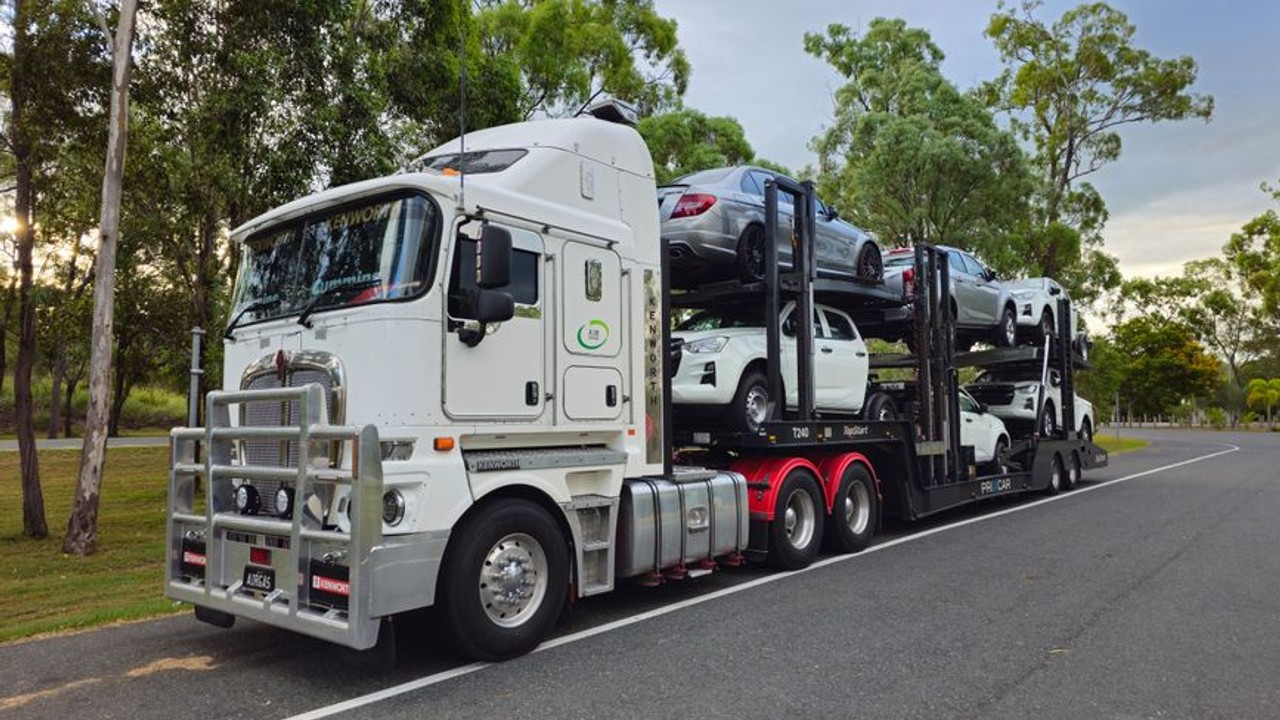
Practical Tips for Enclosed Transport:
- High-Value Declarations: Ensure the transport company is aware of your vehicle's exact value so appropriate insurance coverage is in place.
- Document Everything: Even with enclosed transport, a thorough pre-shipment inspection with photos is crucial.
- Check for Specific Requirements: Some high-end vehicles might have specific loading or securing instructions; communicate these clearly with your auto shipping provider.
Direct Comparison: Open vs. Enclosed Car Shipping
To summarize, here's a side-by-side comparison to help solidify your understanding:
Cost
- Open: Significantly more affordable. Best for budget-conscious individuals.
- Enclosed: Premium pricing. The added cost is for superior protection and peace of mind.
Protection Level
- Open: Adequate protection against major damage, but exposed to weather and road debris.
- Enclosed: Maximum protection from all external elements, ensuring the vehicle arrives in pristine condition.
Availability & Speed
- Open: High availability, more frequent routes, generally faster pick-up and delivery.
- Enclosed: Less availability, potentially longer wait times, specific routes.
Suitability
- Open: Standard, everyday vehicles, used cars, budget-friendly moves.
- Enclosed: Luxury cars, classic cars, exotic cars, custom vehicles, new cars, show cars, high-value assets.
Security
- Open: Vehicle is visible and theoretically more exposed to external factors.
- Enclosed: Vehicle is out of sight, offering superior protection against theft and vandalism.

Factors Influencing Your Decision
Making the right choice for your car shipping needs boils down to a few key considerations:
1. Vehicle Value and Type
This is often the most significant factor. If you're shipping a brand-new luxury sedan, a vintage muscle car, or a custom-built hot rod, the investment in enclosed transport is a sensible precaution. For an older family car or a standard daily driver, open transport is usually perfectly sufficient.
2. Your Budget
Can your budget accommodate the higher cost of enclosed transport? If not, open transport is a reliable and safe alternative that will save you hundreds, if not thousands, of dollars on a cross-country move. Get a free, instant quote from our online shipping calculator to compare options directly.
3. Urgency and Flexibility
Do you need your car by a specific date? If so, the higher availability of open carriers might be more beneficial. If you have flexibility and prioritize maximum protection, waiting a little longer for an enclosed slot might be acceptable.
4. Distance of the Move
For cross-country shipping, your vehicle will spend a significant amount of time on the road. The longer the journey, the greater the exposure to potential elements and road debris, making the argument for enclosed transport stronger for vulnerable vehicles.
5. Weather and Season
Shipping during winter months through snowy regions, or during hurricane season in coastal areas, might tip the scales towards enclosed transport, even for less valuable vehicles, simply to protect them from harsh weather conditions.
6. Personal Preference and Risk Tolerance
Ultimately, the decision can come down to how comfortable you are with your vehicle being exposed. Some individuals simply prefer the absolute peace of mind that enclosed transport provides, regardless of the vehicle type.
Real-World Scenarios and Examples
Let's consider a couple of practical scenarios:
- Scenario 1: Moving a Family Sedan from California to New York.
You're relocating for a new job and need your reliable Honda Civic shipped across the country. The car is 5 years old, has a few minor scratches from daily use, and your primary goal is to get it to your new home safely and affordably. In this case, open car shipping is the clear choice. It's cost-effective, readily available, and provides adequate protection for an everyday vehicle.
- Scenario 2: Shipping a Restored 1965 Ford Mustang to a Car Show in Florida.
You've invested years and significant money into restoring your classic Mustang to show-quality condition. Even a tiny rock chip could diminish its value and appearance. For this precious cargo, enclosed car shipping is the only sensible option. The added expense is a small price to pay for ensuring it arrives spotless and undamaged, ready for the show.
Choosing the Right Partner for Your Cross-Country Move
Regardless of whether you choose open or enclosed car shipping, selecting a reputable and reliable auto transport company is paramount. A professional car carrier will ensure your vehicle is handled with care, properly insured, and delivered on schedule. When evaluating companies, look for:
- Proper Licensing and Insurance: Verify they are licensed by the FMCSA and carry comprehensive cargo insurance.
- Positive Customer Reviews: Check independent review sites for feedback on their service quality.
- Transparent Pricing: A good company will provide clear, no-hidden-fee quotes.
- Responsive Customer Service: You want a partner who can answer your questions and keep you informed throughout the process.
At Shipping a Car Cross Country, we pride ourselves on being a leading provider of reliable vehicle transport solutions across the nation. We work with a vast network of vetted open and enclosed car carriers, ensuring that we can match your specific needs with the best possible service, whether you're shipping a standard sedan or a priceless classic. Our commitment to transparent pricing and exceptional customer service makes us a trusted choice for thousands of customers every year.

Conclusion: Making Your Informed Decision
The decision between open and enclosed car shipping for your cross-country move is not a one-size-fits-all answer. It requires careful consideration of your vehicle's value, your budget, your timeline, and your personal comfort level. While open transport offers an economical and efficient solution for most standard vehicles, enclosed transport provides unparalleled protection for high-value and sensitive automobiles.
By understanding the pros and cons of each method, you can make an informed decision that aligns with your priorities and ensures a smooth, worry-free auto shipping experience. Remember, a cross country move is a significant undertaking, and choosing the right vehicle transport method is a critical step towards its success.
Ready to get started or have more questions about your specific auto transport needs? Our team of experts is here to help you navigate the complexities of vehicle logistics. Don't hesitate to reach out for personalized advice and a competitive quote.
Get Your Free Car Shipping Quote Today!
Whether you're moving a daily driver or a luxury vehicle, we have the perfect state to state auto shipping solution for you. Visit our website to get an instant quote, explore our services, or contact our friendly team for personalized assistance with your cross-country car shipping needs. Let Shipping a Car Cross Country take the stress out of your vehicle transport!