What Happens If Your Car Breaks Down on the Transport Truck Mid-Route?
Entrusting your vehicle to an auto transport service for a cross-country journey is a significant decision. You carefully choose a reputable company, prepare your car, and eagerly await its arrival at your new destination. But what if, amidst this carefully planned process, an unexpected mechanical issue arises? What happens if your car breaks down while it's being transported on a car carrier truck, miles away from you and its destination?
While mechanical breakdowns during transport are rare occurrences ”“ after all, the car isn't being driven ”“ they are a scenario that any responsible vehicle owner should understand. At Shipping a Car Cross Country, we believe in full transparency and equipping our clients with all the information they need for a seamless and stress-free experience. This comprehensive guide will walk you through the procedures, policies, liabilities, and solutions should your car experience an unforeseen mechanical issue while in transit.
Understanding these aspects will not only prepare you for a potential event but also reinforce the importance of choosing a reliable car shipping partner. Let's delve into the intricacies of what happens if your vehicle decides to act up during its journey across the country.
Understanding the Auto Transport Process
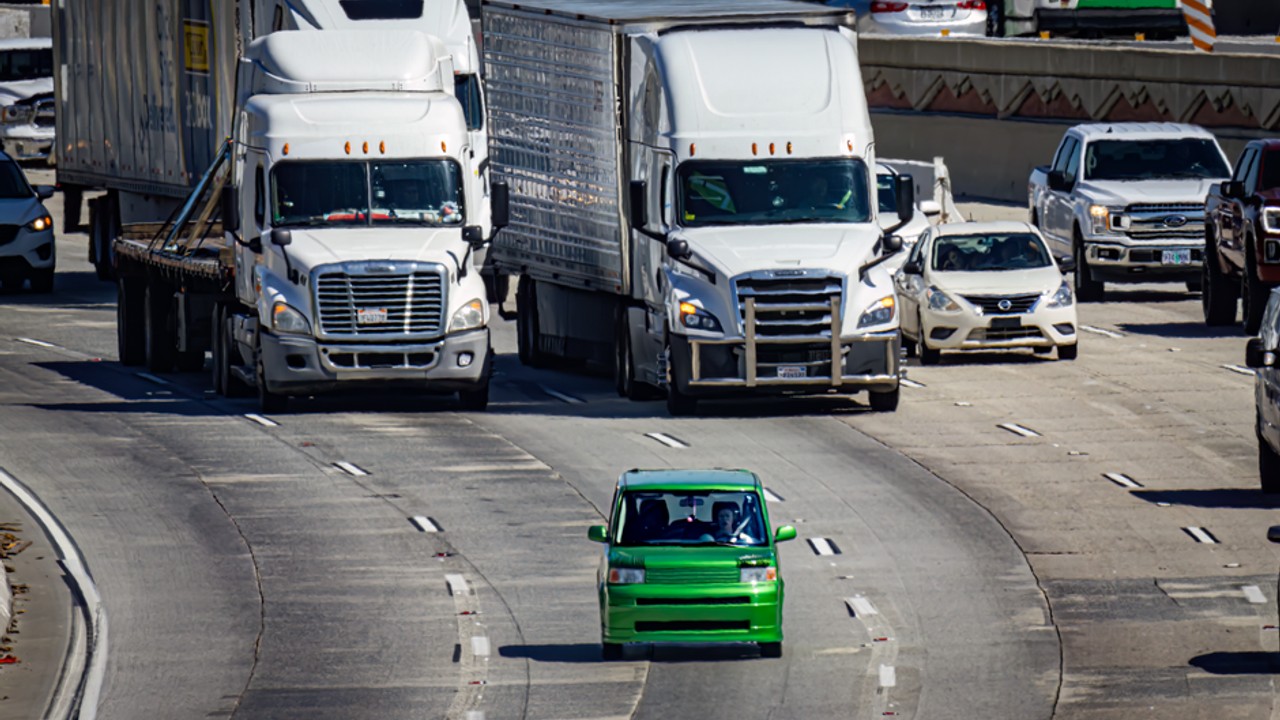
Before we dive into potential breakdowns, it's essential to grasp the standard auto transport process. When you book cross country shipping with a company like ours, your vehicle undergoes a series of careful steps:
- Booking & Scheduling: You provide details, get a quote, and schedule pickup.
- Pre-Shipment Inspection: A thorough inspection is conducted by the carrier, and a Bill of Lading (BOL) is completed, detailing the car's condition before loading. This is a critical step for liability purposes.
- Loading: Your car is carefully driven or winched onto the auto carrier truck and secured using specialized equipment to prevent movement during transit.
- Transit: The car carrier travels across states, often with multiple stops to pick up or drop off other vehicles.
- Delivery: Upon arrival, another inspection is performed, comparing the car's condition to the initial BOL. You sign off on the delivery.
Throughout this process, your vehicle is a passive cargo item. It's not being driven, its engine isn't running for extended periods, and it's securely fastened. This significantly reduces the chances of typical operational breakdowns like engine overheating or tire blowouts. However, other issues can still manifest.
The Rare but Real Scenario: Your Car Breaks Down on the Truck Mid-Route
When we talk about a car "breaking down" on a transport truck, it usually refers to a mechanical issue becoming apparent or developing that renders the vehicle unable to be safely driven off the truck, or even moved manually. It's crucial to distinguish this from the transport truck itself breaking down, which is a different scenario managed entirely by the carrier. Here are a few ways a car might "break down" during transport:
- Fluid Leaks: A sudden transmission fluid, oil, or coolant leak could indicate a pre-existing issue exacerbated by movement, vibrations, or a minor impact.
- Electrical Issues: A dead battery, even if charged before transport, could point to an underlying electrical drain. More severe issues could include a non-functional ignition or critical electronic components.
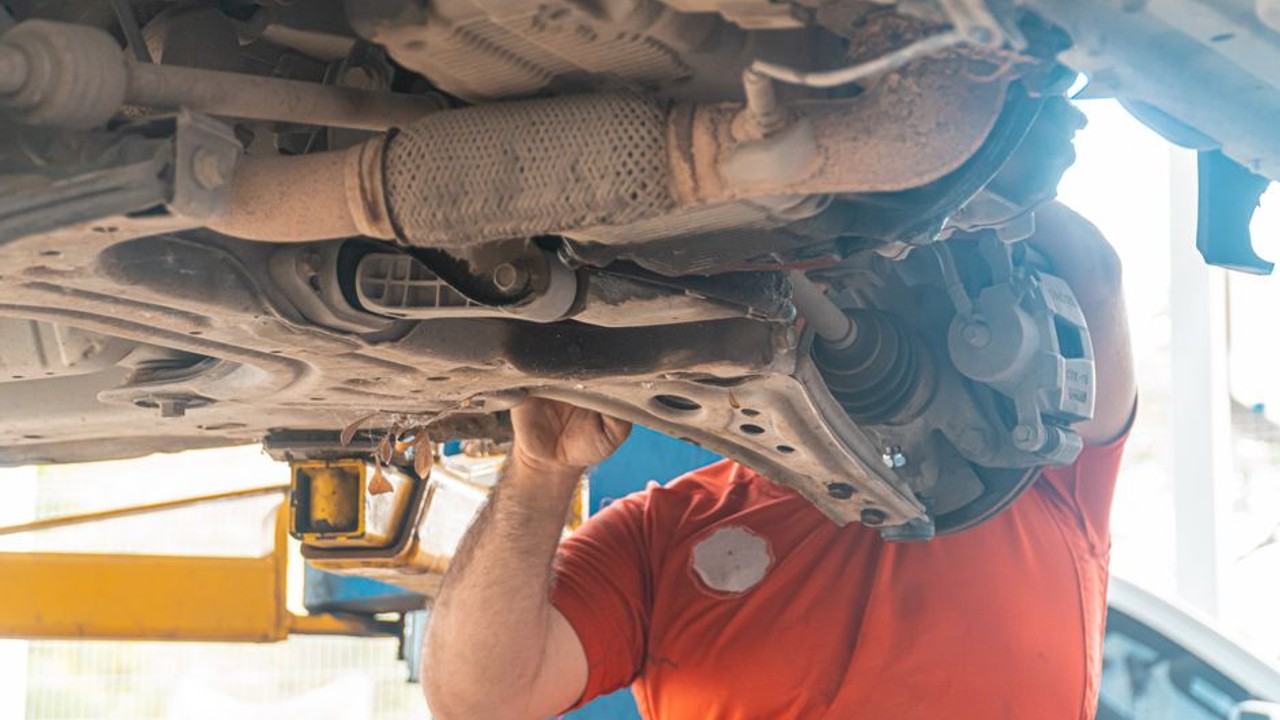
- Brake Seizure/Failure: While rare, a brake caliper could seize, or a brake line could fail, making the vehicle immobile or unsafe to roll.
- Tire Issues: A slow leak might turn into a flat tire during transit due to temperature changes or small punctures, making it difficult to unload.
- Other Mechanical Failures: Though highly uncommon, internal engine components could shift or seize due to external factors like extreme temperature fluctuations or vibrations, manifesting as an inability to start or move.
The key here is that the vehicle becomes non-operational or unsafe to move under its own power (or even manually) at a critical juncture, typically during loading, unloading, or a necessary repositioning stop. The vast majority of these issues stem from pre-existing conditions that were not apparent before transport.
Carrier Policies and Immediate Protocols
When an issue is discovered, a structured protocol is followed by the auto shipping carrier to ensure safety and communication.
Initial Discovery and Notification
The carrier driver is usually the first to notice a problem. This might happen during a routine inspection at a fuel stop, when attempting to unload/reposition another vehicle, or upon arrival at the destination terminal. If the car is found to be leaking fluids, won't start, or has a visibly seized wheel, the driver's immediate action will be to secure the vehicle and contact their dispatch. The dispatch then informs the client (you).
You can expect to receive detailed information:
- Nature of the problem (e.g., "The car won't start," "There's a fluid leak from the engine bay").
- Current location of the car.
- Any immediate steps taken by the driver to mitigate further issues (e.g., placing drip pans).
Effective communication is paramount here. At Shipping a Car Cross Country, our network of carriers is trained to provide prompt and accurate updates, ensuring you're never left in the dark about your state-to-state transport.
Carrier's Role vs. Owner's Role
It's crucial to understand the distinction in roles. The car carrier's primary responsibility is safe transport, not vehicle repair. Their obligation is to deliver the vehicle as close to the agreed-upon condition as possible. If a mechanical issue arises that is not directly caused by their negligence during transport, their responsibility is limited to safely delivering the vehicle to a secure location (such as a terminal or a designated repair shop) where it can be inspected and repaired by a professional.
The owner, therefore, becomes responsible for authorizing and funding any necessary repairs. The carrier cannot simply take your car to a mechanic for you without your explicit instruction and agreement to cover the costs.
Documentation is Key
Just as with damage, any mechanical issue discovered must be thoroughly documented. The carrier will update the Bill of Lading to reflect the new condition, noting the breakdown. Photographs or videos will be taken. This documentation is vital for determining liability and for any potential insurance claims you might make later. Always ensure you receive and review these updated documents.
Navigating Liability: Who Is Responsible?
This is often the most contentious part of any transport issue. Determining liability for a mechanical breakdown depends heavily on the cause of the issue.
Pre-existing Conditions
The vast majority of mechanical issues that manifest during transport are due to pre-existing conditions. For example, if your battery was old and weak, or there was a hairline crack in a hose, the vibrations and jostling of transport (even minimal) could cause these weaknesses to fail. In such cases, the carrier is typically NOT liable.
This is why the pre-shipment inspection and the detailed Bill of Lading are so important. If the car had a known issue, or even a potential one, it should ideally be fixed before transport or at least noted on the BOL. If a leak or an inability to start is discovered, and there's no evidence of new physical damage caused by the carrier, it will likely be deemed a pre-existing mechanical failure.
Damage Caused by Transport Negligence
A car carrier IS liable if the mechanical breakdown is a direct result of their negligence during transport. Examples include:
- Improper Loading/Securing: If the vehicle was not secured properly and shifted during transit, causing physical damage to engine components, axles, or the undercarriage that leads to a breakdown.
- Impact During Transit: If the transport truck is involved in an accident that damages your vehicle, causing mechanical failure.
- Driver Error: For instance, if the driver mishandles the vehicle during loading or unloading, causing damage to the drivetrain or other critical systems.
In these scenarios, the carrier's cargo insurance would typically cover the cost of repairs, similar to how they would cover cosmetic damage. Proving negligence, however, requires clear evidence, often comparing the initial BOL with the state of the vehicle after the incident.
Acts of God and Unforeseen Mechanical Failure
Carriers are generally not liable for "Acts of God" (e.g., hail damage from an unexpected severe storm, although many reputable carriers do cover this) or for genuine, unforeseen mechanical failures that are not a result of their actions. An engine simply deciding to seize up without any external cause or impact during transport, for instance, would typically fall under this category, and the carrier would not be held responsible for the repair costs.
The Inevitable: Delivery Delays
A mechanical breakdown, regardless of who is liable, will almost certainly cause delays in your vehicle's delivery schedule. The immediate priority becomes securing the vehicle and communicating with you, the owner.
Impact on Schedule
Once a breakdown is identified, the car often needs to be offloaded from the main transport truck. This might happen at the nearest secure facility, a truck stop, or even a temporary holding area. This unscheduled stop, the process of offloading, and the subsequent coordination for repair or continued transport will naturally push back the original estimated delivery time. Depending on the severity and location of the breakdown, the delay could range from a few days to over a week.
Reputable vehicle transport companies like Shipping a Car Cross Country will keep you informed of any new estimated delivery times and provide updates as the situation progresses.
Alternative Solutions
When your car can no longer proceed on the original transport, several alternatives may be explored:
- Offloading at a Secure Facility: The car will likely be offloaded at a secure terminal or a reputable repair shop near the breakdown location.
- Customer Pickup & Repair: If you are able and willing, you might choose to pick up the vehicle yourself from the offload point and arrange repairs locally.
- Arranging Local Repair: The carrier might be able to help you find a local repair shop, and once repaired, you'd need to coordinate its transport for the remainder of the journey.
- Transfer to Another Truck: In some rare cases, if the issue is minor and quickly fixable, or if it's an immobile vehicle requiring a specialized tow, the carrier might coordinate transfer to another truck once repaired, or directly to your chosen repair facility near the destination. This will incur additional costs and significant delays.
It's important to remember that any additional transport or storage costs incurred due to a mechanical breakdown (for which the carrier is not liable) will typically be the responsibility of the vehicle owner.
Coordinating Repairs Mid-Route
If your car breaks down and it's determined that the carrier is not liable, the responsibility for coordinating and funding repairs falls to you, the vehicle owner. This can be challenging when you're potentially hundreds or thousands of miles away.
Owner's Primary Responsibility
You will need to authorize any diagnostic work or repairs. The carrier can assist by suggesting nearby reputable repair shops or facilities, but they cannot authorize work on your behalf or assume the costs. You'll need to communicate directly with the chosen repair shop.
Choosing a Repair Shop
This is a critical step. If your car is at a secure facility or truck stop, you'll need to research mechanics in that specific area. Look for shops with good online reviews, appropriate certifications, and the ability to handle your specific vehicle make and model. Getting a diagnostic report and a written estimate for repairs is essential before authorizing any work.
You might need to arrange for a local tow service to move your car from the carrier's offload point to the chosen repair shop. The carrier may facilitate this, but the cost will likely be yours.
Logistics of Repair and Resumption of Transport
Once repairs are complete, you have a few options:
- Continue with Original Carrier (If Possible): If the repair is quick and the car carrier hasn't moved too far, you might be able to arrange for it to be picked up again by the same car carrier or another vehicle transport truck in their network to complete the original journey. This will likely involve a new pickup fee and could still incur delays.
- New Transport Arrangement: More commonly, you might need to arrange a completely new transport from the repair shop to your final destination. This essentially becomes a new car shipping order.
- Personal Pickup: You could travel to the repair shop and pick up the car yourself.
The logistics can be complex, involving additional costs for towing, repair, and potentially new transport. This highlights the importance of thorough vehicle preparation and knowing your insurance options beforehand.

Insurance Coverage Scenarios
Understanding your insurance coverage is paramount when dealing with a mid-route breakdown.
Carrier's Standard Cargo Insurance
All licensed auto transport carriers are required to carry cargo insurance. This insurance primarily covers damage to your vehicle CAUSED BY THE CARRIER'S NEGLIGENCE during loading, transit, or unloading. This means if the mechanical breakdown is a direct result of improper securing, an accident, or mishandling, the carrier's cargo insurance should cover the repair costs.
However, it will generally NOT cover mechanical failures that are deemed pre-existing or not directly attributable to the carrier's actions. For example, if your transmission suddenly stops working without any external impact, the carrier's insurance will not cover it. It's designed for transport-related damage, not mechanical warranty.
Always ask for proof of insurance and understand the limits and deductibles of the carrier's policy before you ship.
Shipper's Personal Auto Insurance
Your personal auto insurance policy might offer some protection, but it varies greatly. Some comprehensive policies have "in-transit" clauses that might cover certain damages or non-collision events, even when the car is being transported. It's crucial to contact your personal insurance provider BEFORE shipping your car across country. Ask them specific questions:
- Does my policy cover damage while the car is being transported by a third-party carrier?
- What about mechanical failures that occur during transport but are not due to carrier negligence?
- What are my deductibles?
Clarifying this beforehand can save you significant stress and expense if something goes wrong.
Third-Party Shipping Insurance
Many auto transport brokers and carriers offer or recommend purchasing additional, third-party shipping insurance. These policies can be a wise investment, as they often provide more comprehensive coverage than standard carrier cargo insurance or personal auto policies for specific scenarios.
Third-party policies might cover:
- Damage caused by acts of God (e.g., hailstones, floods).
- Total loss of the vehicle.
- Sometimes, they can even include coverage for certain mechanical failures if explicitly stated and purchased as part of the policy (e.g., coverage for fluids leaking if the vehicle was free of leaks at pickup).
Always read the fine print of any third-party policy carefully, understand what it covers (and, more importantly, what it doesn't), the deductible, and the claims process. It's an added layer of peace of mind, especially for high-value vehicles or longer routes.
Practical Tips for a Smooth Auto Transport Experience
While breakdowns are rare, preparedness is your best defense. Here are some practical tips:
- Thorough Pre-Shipment Inspection & Documentation: This cannot be stressed enough. Take detailed photos and videos of your car from all angles, inside and out, immediately before pickup. Note any existing scratches, dents, or mechanical quirks on the Bill of Lading. This is your primary evidence should a dispute arise.
- Communicate with Your Carrier: Choose a company known for excellent communication. A good carrier, like Shipping a Car Cross Country, will keep you informed every step of the way, especially if issues arise.
- Understand Your Insurance Policies: Before the car even leaves your driveway, know exactly what your personal auto insurance covers, what the carrier's cargo insurance covers, and whether supplementary third-party insurance is advisable for your specific situation.
- Prepare Your Vehicle Properly:
- Ensure all fluids (oil, coolant, transmission fluid, brake fluid) are topped off and free of leaks.
- Check tire pressure and condition.
- Ensure the battery is fully charged and in good condition (especially important for older vehicles).
- Remove personal items and secure loose parts.
- Leave a quarter tank of fuel or less.
- Keep Contact Information Handy: Have the primary contact number for your auto transport company and the driver readily available.
- Choose a Reputable Shipper: Research and select a company with a strong track record, positive customer reviews, and clear communication policies. Companies that prioritize client satisfaction and transparency are always a better choice. Check out our blog on top auto transport companies to guide your decision.
Why Choose Shipping a Car Cross Country?
At Shipping a Car Cross Country, we understand that entrusting your vehicle to a transport service comes with questions and concerns. Our commitment to safety, transparency, and unparalleled customer service sets us apart. We work with a network of experienced and vetted carriers who adhere to the highest industry standards, minimizing the likelihood of any issues during transit.
Our team is dedicated to providing clear communication from the moment you get a quote to the final delivery of your vehicle. We help you understand all aspects of the shipping process, including potential challenges and how we're prepared to assist. With our expertise in auto logistics, you can rest assured that your car is in capable hands, whether it's for door-to-door delivery or terminal-to-terminal service.

Conclusion
While the scenario of your car breaking down on a transport truck mid-route is uncommon, it's a possibility every vehicle owner should be aware of. The key takeaways are preparation, clear communication, and a thorough understanding of liability and insurance coverage. By taking proactive steps, such as a detailed pre-shipment inspection, preparing your vehicle, and clarifying your insurance, you can significantly mitigate potential stress and financial burdens.
Choosing a reliable and transparent auto transport provider like Shipping a Car Cross Country is your best defense against unexpected issues. We prioritize the safe and timely delivery of your vehicle, and in the rare event of a problem, our team is equipped to guide you through the process with professionalism and support.
Don't leave your car's journey to chance. For a smooth, secure, and worry-free auto transport experience, choose the experts.
Ready to ship your car with confidence? Get an instant, no-obligation quote today and experience the Shipping a Car Cross Country difference! Get Your Free Car Shipping Quote Now!