What's the Impact of Shipping a Car with Aftermarket Parts (Roof Racks, Spoilers, Etc.)?
You've poured time, passion, and often significant investment into customizing your vehicle. Whether it's a sleek spoiler that enhances aerodynamics, a robust roof rack for adventure gear, a performance-enhancing exhaust, or a lowered suspension for that perfect stance, aftermarket parts make your car uniquely yours. But when it comes time for car shipping, especially across the country, these beloved modifications can introduce a new layer of complexity to the vehicle transport process.
At Shipping a Car Cross Country, we understand the pride you take in your custom ride. Our goal is to ensure your vehicle arrives safely and securely, no matter its configuration. This comprehensive guide will delve into the critical factors you need to consider when shipping a car with aftermarket parts, covering everything from removal requirements and damage liability to height restrictions and insurance implications. Preparing your modified vehicle for auto shipping is key to a smooth, stress-free experience.
Understanding Aftermarket Parts and Their Impact on Car Shipping
Aftermarket parts are components installed on a vehicle after it leaves the factory. They can range from purely aesthetic enhancements to significant performance upgrades. While they personalize your vehicle, they can also alter its dimensions, weight, and structural integrity in ways that standard car carriers aren't always designed to accommodate.
Common aftermarket modifications that impact vehicle transport include:
- Roof Racks and Cargo Boxes: These significantly increase overall vehicle height and can introduce wind resistance.
- Spoilers and Wings: Large, non-factory spoilers, especially those not securely bolted, can extend beyond the vehicle's standard length or width and be vulnerable to damage.
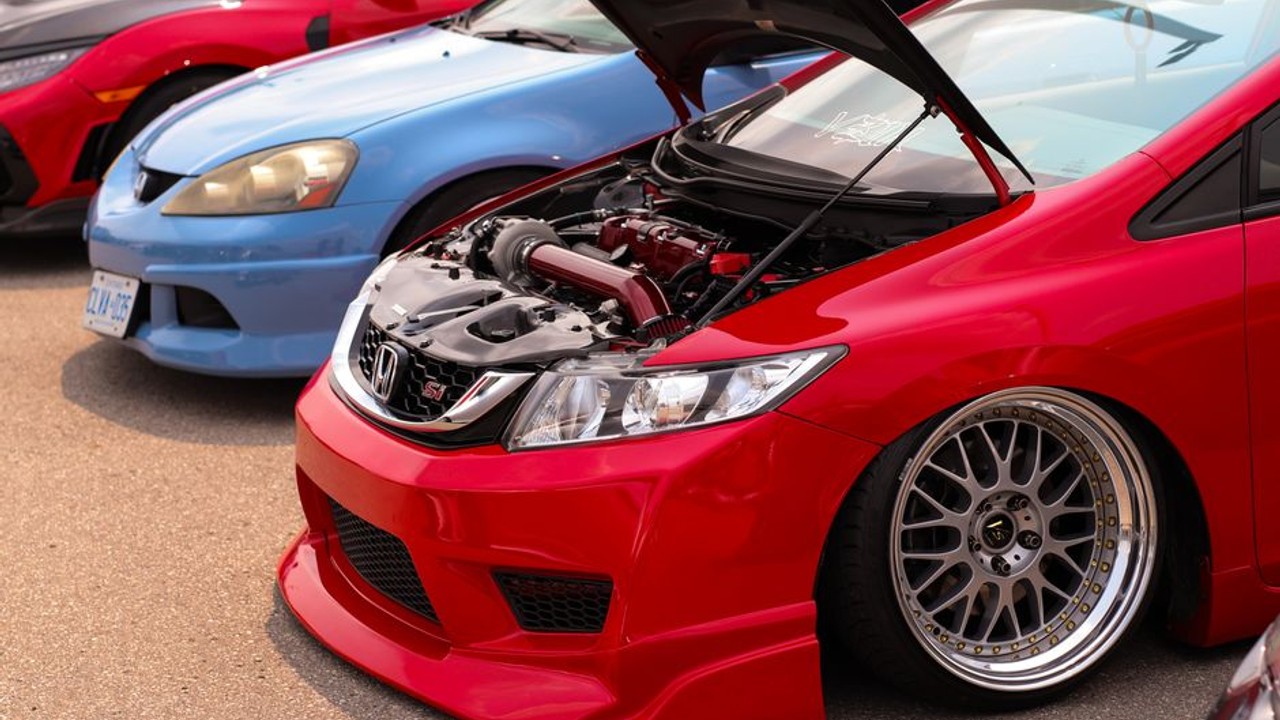
- Custom Body Kits and Ground Effects: Lowered bumpers, side skirts, and diffusers can drastically reduce ground clearance, making loading onto a car carrier challenging.
- Lift Kits and Oversized Tires: Common on trucks and SUVs, these increase height and width, potentially exceeding standard carrier dimensions.
- Custom Wheels and Tires: While usually fine, excessively wide wheels can sometimes cause issues with adjacent vehicles on a multi-car carrier.
- Light Bars, Antennas, and External Accessories: Protruding elements can be easily snagged or damaged during loading, transit, or unloading.
The core challenge lies in how these modifications interact with the confined spaces, tie-down procedures, and general dynamics of a car carrier. What might be a sturdy addition for driving can become a fragile protrusion during high-speed, long-distance cross country shipping.
Potential Challenges and Considerations
Safety Concerns
The primary concern when shipping a modified vehicle is safety ”“ for your car, for other vehicles on the car carrier, and for the transport personnel. Protruding parts like roof racks or large spoilers can create snag points. Loose aftermarket components might detach during transit, potentially damaging your vehicle or others. For vehicles with extremely low ground clearance, loading and unloading can pose a risk of scraping the undercarriage if not handled by experienced professionals.
Logistical Hurdles
Aftermarket parts often change a vehicle's standard dimensions. A car with a tall roof rack might exceed the maximum height for an open car carrier, requiring specialized transport. A vehicle with a wide body kit might not fit snugly in a standard slot, risking contact with other cars. These changes necessitate extra planning and communication with your chosen auto shipping provider.
Increased Costs
While not always the case, shipping a car with significant aftermarket modifications can sometimes incur additional costs. This might be due to:
- Specialized Equipment: Very low-clearance vehicles might require a flatbed or a lift gate for loading, rather than standard ramps.
- Enclosed Transport: For maximum protection of custom paint, delicate bodywork, or high-value aftermarket components, enclosed auto shipping is often recommended, which is typically more expensive than open transport.
- Custom Quotes: Vehicles with extreme modifications often require a custom quote rather than a standard rate due to the unique handling requirements.

Removal Requirements: What Stays, What Goes?
One of the most common questions we receive is, "Do I need to remove my aftermarket parts?" The answer is often "yes," especially for easily detachable and protruding items. The general rule of thumb is: if it can be easily removed, if it significantly alters the vehicle's dimensions, or if it is vulnerable to damage, it should be removed.
Specific Examples and Guidelines:
- Roof Racks and Cargo Boxes: Almost universally, these must be removed. They add considerable height, are susceptible to wind damage, and can sometimes interfere with tie-down points. Removing them reduces the risk of damage to the rack itself and your vehicle's roof.
- Aftermarket Spoilers: Large, non-factory spoilers, especially those that extend far beyond the vehicle's rear or are not factory-reinforced, are often recommended for removal. If they are an integral, factory-installed part of the vehicle and are robust, they may be fine. Always discuss this with your transport coordinator.
- Antennas: Flexible, rubber antennas are usually fine. However, fixed, rigid, or extremely tall antennas should be retracted or removed to prevent bending or breaking.
- Light Bars and External Accessories: Any auxiliary light bars (e.g., on roofs or bumpers), external mud flaps, wide-stance mirrors, or other accessories that protrude significantly or are not factory-installed are typically recommended for removal.
- Detachable Side Steps/Running Boards: If they're not factory-installed and can be easily unbolted, consider removing them to prevent damage from curb scraping or during loading/unloading.
- Ground Effects/Body Kits: If these are firmly attached and integral to the vehicle's body, they usually remain. However, they significantly impact ground clearance, which is a separate consideration.
- Custom Wheels/Tires: These generally stay on the vehicle. Ensure they are properly inflated and secured. If they are extremely wide, inform your carrier.
Crucial Tip: Always communicate every aftermarket modification to your car shipping provider during the quoting and booking process. They can provide specific guidance based on their experience and equipment. Failure to disclose modifications can lead to delays, additional charges, or even refusal of service on pickup.
Damage Liability: Who's Responsible When Things Go Wrong?
Understanding damage liability is paramount when shipping any vehicle, but especially one with aftermarket parts. Standard carrier insurance primarily covers damage caused by carrier negligence during transport. However, aftermarket modifications introduce specific nuances.
Aftermarket Parts and Liability Nuances:
- Pre-Existing Damage: Any damage to aftermarket parts that existed before loading onto the car carrier will not be covered. This is why a thorough pre-inspection and condition report are essential.
- Non-Factory Installed Items: Many auto transport carriers have specific clauses in their Bill of Lading (BOL) or terms of service that limit or exclude liability for non-factory installed accessories. This is because these parts can be more fragile, less securely attached, or their installation quality can vary significantly.
- Damage Caused by Poor Installation: If an aftermarket part detaches or breaks during transport due to faulty installation (e.g., a spoiler not properly bolted on), the carrier is typically not liable. This falls under the owner's responsibility to ensure all modifications are secure.
- Protruding Parts: If you fail to remove a recommended item (like a roof rack) and it gets damaged or causes damage to another vehicle due to its protrusion, liability can become complex and may rest with the owner.
- "Act of God" Events: Damage due to unforeseen natural events (hail, floods, etc.) is usually not covered by standard carrier insurance. Supplemental insurance might be needed.
The Importance of Documentation: Before your vehicle is loaded, a detailed inspection report (BOL) will be completed by the driver. This document records the vehicle's condition, including any existing damage. For modified vehicles, ensure that all aftermarket parts are specifically noted on this report, along with their condition. Take your own timestamped photos and videos from multiple angles, especially of all modifications. This documentation is your primary defense if a claim arises. At Shipping a Car Cross Country, we emphasize meticulous pre-inspection to protect our customers.
Height and Clearance Restrictions: Navigating the Limits
The physical dimensions of your vehicle, particularly its height and ground clearance, are critical factors when considering state-to-state car shipping with aftermarket parts.
Standard Carrier Dimensions:
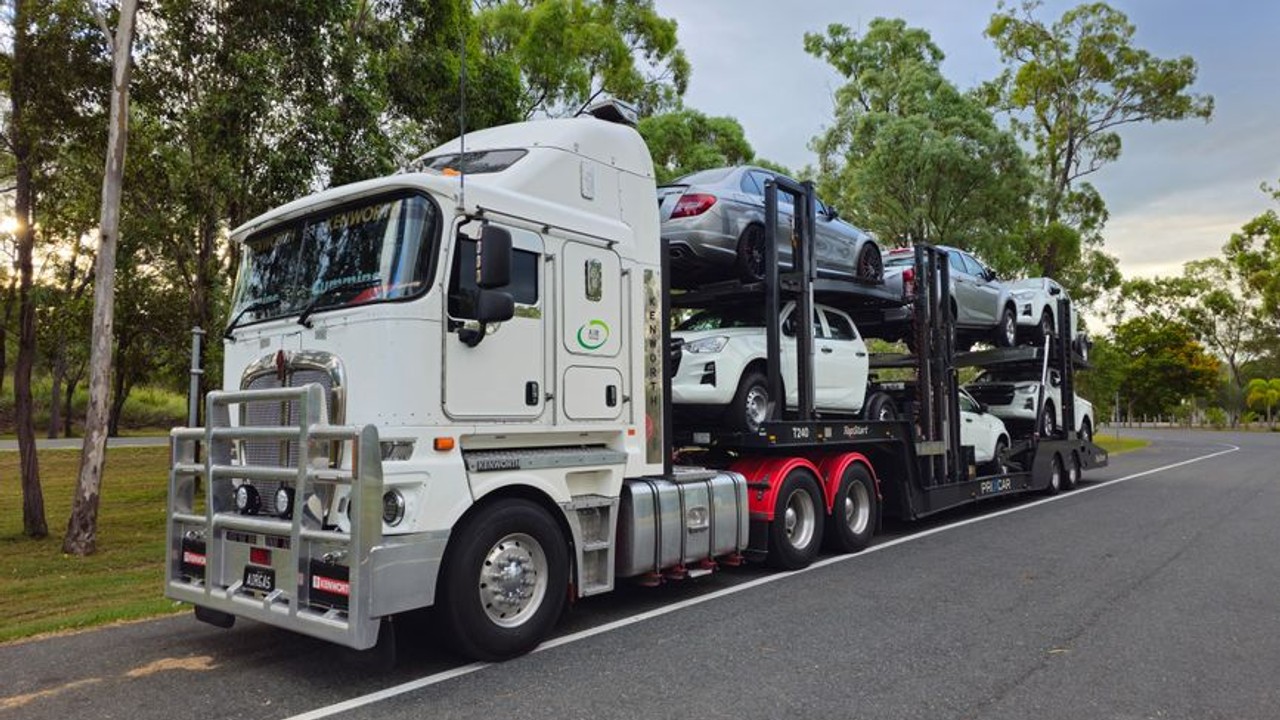
- Open Car Carriers: These are the most common and cost-effective. However, they have fixed height limits, typically around 7-8 feet from the deck. A vehicle with a tall roof rack, especially if not removed, can easily exceed this limit, making it impossible to fit on certain levels of the carrier or under bridges.
- Enclosed Car Carriers: While offering more protection, enclosed trailers also have height and width limits. Some "high top" enclosed trailers can accommodate taller vehicles, but this is a specialized service.
Impact of Modifications:
- Roof Racks & Cargo Boxes: As mentioned, these are the most common culprits for exceeding height limits.
- Lifted Trucks & SUVs: Vehicles with suspension lift kits and oversized tires often exceed standard height restrictions and may require specialized single-car flatbed transport or a specific type of enclosed trailer designed for taller vehicles.
- Lowered Suspensions & Body Kits: These modifications create the opposite problem: extremely low ground clearance. Standard ramps on most car carriers are designed for factory-spec vehicles and can easily scrape the undercarriage, front bumper, or side skirts of a lowered car. This often necessitates the use of specialized low-angle ramps, lift gates, or the more expensive enclosed transport, which can feature hydraulic lift gates for smooth, damage-free loading.
Your Responsibility: It is crucial that you provide accurate measurements of your vehicle, including all aftermarket parts, to your chosen cross country shipping company. This includes overall height, width, length, and ground clearance. Don't estimate; take precise measurements, as even an inch or two can make a difference in whether your vehicle can be safely transported on a standard carrier.
Do Aftermarket Modifications Void Transport Insurance?
This is a common concern, and thankfully, the answer is generally "no" for the carrier's basic liability insurance, but with significant caveats regarding coverage for the aftermarket parts themselves.
Carrier's Basic Insurance:
Reputable auto transport companies provide basic liability insurance that covers damage to the vehicle caused by carrier negligence (e.g., an accident, improper tie-down by the driver). This coverage usually applies regardless of aftermarket modifications, provided the damage is a direct result of the carrier's actions.
The Caveats for Aftermarket Parts:
- Exclusions for Non-Factory Items: As mentioned under "Damage Liability," many carrier insurance policies specifically exclude or limit coverage for non-factory installed accessories. This means if your aftermarket spoiler gets scratched due to a stone chip (not carrier negligence) or breaks because it was poorly installed, the carrier's insurance may not cover its repair or replacement.
- Failure to Disclose Modifications: This is a critical point. If you fail to inform your vehicle transport company about significant aftermarket modifications that impact transport (e.g., a roof rack, lowered suspension), and a problem arises because of those undisclosed modifications, your ability to claim damages, even for carrier negligence, could be severely compromised. Transparency is key.
- Appraisal for High-Value Custom Parts: If your aftermarket modifications are exceptionally valuable (e.g., custom wide body kits, exotic wheels, performance engine upgrades), standard carrier insurance might not cover their full replacement value. In such cases, you might consider obtaining a separate, independent appraisal for your vehicle's custom parts and discussing supplemental "all-risk" insurance options with the carrier or a third-party provider.
Always Read the Fine Print: Before signing any agreement, carefully review the Bill of Lading and any insurance documents provided by the auto shipping company. Don't hesitate to ask specific questions about how aftermarket parts are covered. Open communication with your chosen auto transport service is your best defense against unexpected issues.

Preparing Your Aftermarket-Equipped Vehicle for Shipping
Thorough preparation is paramount when shipping a modified vehicle. A little extra effort upfront can save you significant headaches and potential costs later on. Here's a comprehensive checklist:
- Communicate Everything: Before booking, provide your chosen auto transport company with a detailed list of all aftermarket modifications. Be specific about dimensions, materials, and attachment methods. This allows them to assign the correct type of car carrier and prepare the driver.
- Measure Accurately: Get precise measurements for your vehicle's overall height (especially with roof racks), width (including wide-body kits), length (including large spoilers), and ground clearance. Take these measurements from the lowest and highest points.
- Clean Your Car: A clean vehicle makes pre-inspection easier for both you and the driver, ensuring all scratches, dents, and modifications are clearly visible and documented.
- Photograph Extensively: Take numerous timestamped photos and videos of your entire vehicle, paying close attention to all aftermarket parts, their condition, and their attachment points. Document any existing minor flaws. These will serve as crucial evidence in case of damage.
- Remove Detachable Parts: Based on carrier recommendations and your judgment, remove all easily detachable and vulnerable aftermarket parts (e.g., roof racks, cargo boxes, removable spoilers, antennas, light bars). Store them securely and transport them separately.
- Secure Remaining Parts: Double-check that any fixed aftermarket parts (like body kits or permanent spoilers) are securely attached. If you have a custom exhaust, ensure it's tightly mounted and won't rattle loose.
- Check Fluid Levels and Tire Pressure: Ensure your tires are properly inflated. Top off fluids, but aim for about a quarter tank of gas ”“ enough for loading/unloading, but not excessive weight.
- Remove Personal Items: All personal belongings, loose items, and valuables should be removed from the vehicle. These are not covered by carrier insurance and can shift during transit, causing interior damage.
- Disable Alarm Systems: Inform the driver if your vehicle has a sensitive alarm system and how to deactivate it if necessary, to prevent false alarms during transit.
Choosing the Right Auto Transport Service for Modified Cars
Selecting the appropriate car shipping service is perhaps the most critical decision for a modified vehicle. Your options can significantly impact the safety, cost, and overall experience.
Open vs. Enclosed Transport:
- Open Car Carrier: This is the most popular and economical choice. While suitable for many vehicles, it offers less protection from road debris, weather, and theft. For vehicles with delicate aftermarket paint, custom bodywork, or very expensive modifications, the risks might outweigh the cost savings.
- Enclosed Car Carrier: This premium service offers maximum protection. Your vehicle is completely shielded from external elements, dust, and debris. Enclosed trailers are highly recommended for:
- Vehicles with low ground clearance (many enclosed carriers have hydraulic lift gates).
- Custom paint jobs or delicate bodywork.
- High-value vehicles with expensive aftermarket parts.
- Show cars or classic cars.
Enclosed transport typically costs 30-60% more than open transport but provides unparalleled peace of mind.
Door-to-Door vs. Terminal-to-Terminal:
- Door-to-Door Transport: This service, offered by Shipping a Car Cross Country, is generally preferred for modified vehicles. The carrier picks up and delivers your vehicle as close to your specified addresses as legally and safely possible. This minimizes extra handling, reduces the risk of damage at terminals, and often allows for a more personalized interaction with the driver who handles your unique vehicle.
- Terminal-to-Terminal Transport: This involves dropping off and picking up your vehicle at designated shipping terminals. While sometimes cheaper, it adds extra handling steps and storage time, which can increase the risk of damage, especially for modified vehicles.
Experience Matters:
When selecting your auto shipping provider, look for companies with a proven track record of transporting modified or custom vehicles. Ask about their experience, equipment, and specific procedures for handling cars with aftermarket parts. A knowledgeable and experienced team, like ours at Shipping a Car Cross Country, can anticipate challenges and implement solutions to ensure a smooth transport process.
The Shipping a Car Cross Country Advantage
At Shipping a Car Cross Country, we pride ourselves on being a leading car shipping and vehicle transport service provider dedicated to handling every vehicle with the utmost care. We understand that your modified car is more than just transportation; it's an extension of your personality and passion.
Our commitment to transparency, clear communication, and tailored solutions means we work closely with you to understand your vehicle's specific needs. From providing expert advice on removal requirements to recommending the ideal transport method ”“ be it open, enclosed, or specialized for your unique vehicle's dimensions ”“ we ensure a secure and efficient cross country shipping experience.
Conclusion
Shipping a car with aftermarket parts like roof racks, spoilers, or custom body kits doesn't have to be a daunting task. While these modifications introduce additional considerations regarding removal requirements, potential damage liability, height restrictions, and insurance implications, a well-informed and proactive approach can mitigate most risks.
The keys to a successful transport are clear communication with your auto transport provider, meticulous preparation of your vehicle, thorough documentation, and choosing the right service for your specific needs. By following the guidelines outlined in this post, you can ensure your customized ride reaches its destination safely and ready for the open road.
Ready to ship your modified vehicle across the country? Trust the experts at Shipping a Car Cross Country to handle your prized possession with the care it deserves. Get your free, no-obligation quote today and speak to a transport specialist who understands the nuances of shipping custom vehicles.
Contact us or use our online shipping calculator to get started on your hassle-free vehicle transport journey!