What's the Real Cost Difference Between Shipping an SUV vs. a Sedan Across Country?
Planning a cross country move or purchasing a vehicle from afar often brings up a crucial question: "How much will it cost to ship my car?" While factors like distance, time of year, and type of service play significant roles, one of the most impactful variables on your auto transport quote is the vehicle itself. Specifically, the difference in shipping costs between an SUV and a sedan can be substantial, often catching first-time shippers by surprise.
At Shipping a Car Cross Country, we pride ourselves on transparent pricing and helping our customers understand every aspect of their vehicle transport. In this comprehensive guide, we'll dive deep into the real cost differences between shipping an SUV versus a sedan across the country. We'll break down how vehicle dimensions, weight classes, and carrier capacity directly affect pricing, offering specific examples and percentage differences to give you a clear picture of what to expect.
Understanding these nuances is key to budgeting effectively and making informed decisions about your car shipping needs. Let's embark on this journey to demystify auto logistics and help you save money.
Understanding the Fundamentals of Car Shipping Costs
Before we pinpoint the differences between SUVs and sedans, it's essential to grasp the core elements that shape any car shipping quote. Think of it as a delicate balance of logistics, demand, and physical constraints. When you request a quote for car shipping, our team considers several key factors:
- Distance: The longer the haul, the higher the base cost. This accounts for fuel, driver wages, and wear and tear on the transport vehicle.
- Route Popularity: Major interstates and popular city-to-city routes are generally more cost-effective due to higher demand and more frequent trips by car carriers. Shipping to a remote location will likely incur higher costs.
- Time of Year: Seasonal demand fluctuates. Summer months and holidays often see a surge in demand, driving prices up. Winter can bring challenges like adverse weather, also impacting costs.
- Type of Service: Open transport is the most common and affordable, while enclosed transport offers premium protection at a higher price point.
- Fuel Prices: As with any transportation service, the fluctuating cost of fuel directly impacts the operational expenses of auto shipping companies, which is then reflected in the quotes.
- Vehicle Condition: An inoperable vehicle requires special equipment (e.g., a winch) to load and unload, increasing labor and time, thus raising the cost.
While all these factors are significant, the physical attributes of your vehicle””its size and weight””are arguably the most consistent and impactful differentiators when comparing an SUV to a sedan. They directly influence how many vehicles a car carrier can transport simultaneously, which is the cornerstone of profitability for any vehicle transport company.
The Core Difference: Dimensions and Weight Classes
The fundamental reason for a cost difference lies in basic physics and logistics. Car carriers have finite space and weight limits. Every inch of deck space and every pound of cargo counts. An SUV simply occupies more of both than a sedan.
Sedans: The Compact & Efficient Choice
Sedans are the workhorses of personal transportation. They are designed for efficiency, and this translates directly into shipping advantages. When it comes to state-to-state car shipping, sedans are generally the most economical option.
- Typical Dimensions:
- Compact Sedans (e.g., Honda Civic, Toyota Corolla):
- Length: ~180-185 inches (4.57-4.70 meters)
- Width: ~70-72 inches (1.78-1.83 meters)
- Height: ~56-58 inches (1.42-1.47 meters)
- Mid-size Sedans (e.g., Honda Accord, Toyota Camry):
- Length: ~190-195 inches (4.83-4.95 meters)
- Width: ~72-74 inches (1.83-1.88 meters)
- Height: ~57-59 inches (1.45-1.50 meters)
- Full-size Sedans (e.g., Mercedes-Benz S-Class, BMW 7 Series):
- Length: ~205-210 inches (5.21-5.33 meters)
- Width: ~75-77 inches (1.91-1.96 meters)
- Height: ~58-60 inches (1.47-1.52 meters)
- Compact Sedans (e.g., Honda Civic, Toyota Corolla):
- Typical Weight Range: From approximately 2,800 lbs (1,270 kg) for a compact to 4,500 lbs (2,040 kg) for a full-size luxury sedan.
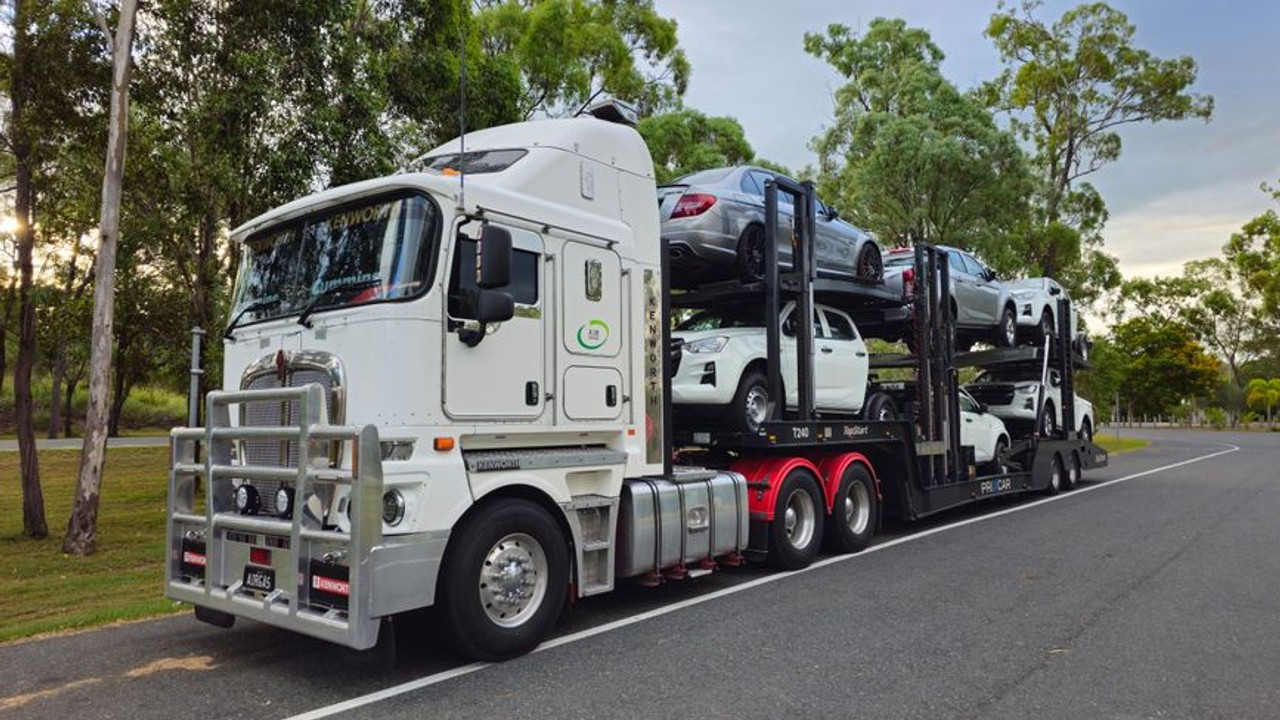
- Carrier Capacity Impact: Sedans, due to their smaller footprint and lower weight, allow auto transport carriers to maximize their load. A standard 10-car open carrier can typically fit 8-10 sedans, optimizing space and fuel efficiency for the transport company.
SUVs: The Larger, More Demanding Haul
Sport Utility Vehicles (SUVs) come in a vast array of sizes, from compact crossovers to colossal full-size models. Each category presents its own set of challenges and costs for vehicle transport.
- Typical Dimensions:
- Compact SUVs (e.g., Honda HR-V, Subaru Crosstrek):
- Length: ~170-175 inches (4.32-4.45 meters)
- Width: ~70-72 inches (1.78-1.83 meters)
- Height: ~63-65 inches (1.60-1.65 meters)
- Mid-size SUVs (e.g., Honda CR-V, Toyota RAV4, Jeep Grand Cherokee):
- Length: ~180-190 inches (4.57-4.83 meters)
- Width: ~72-75 inches (1.83-1.91 meters)
- Height: ~65-68 inches (1.65-1.73 meters)
- Full-size SUVs (e.g., Chevrolet Tahoe, Ford Expedition, Cadillac Escalade):
- Length: ~200-225 inches (5.08-5.72 meters)
- Width: ~78-82 inches (1.98-2.08 meters)
- Height: ~75-80 inches (1.91-2.03 meters)
- Compact SUVs (e.g., Honda HR-V, Subaru Crosstrek):
- Typical Weight Range: From around 3,200 lbs (1,450 kg) for a compact SUV to upwards of 6,000 lbs (2,720 kg) for a full-size luxury SUV or extended-length truck.
- Carrier Capacity Impact: The increased dimensions (especially height and width) and significantly higher weight of SUVs directly translate to reduced carrier capacity. A large SUV might take up the space of 1.5 to 2 sedans on an open carrier. This means a standard 10-car carrier might only fit 5-7 SUVs, depending on their size, reducing the number of paying vehicles per trip for the transport company. This reduction in efficiency is directly passed on to the customer in the form of a higher shipping cost per vehicle.

The "Footprint" on the Car Carrier
Imagine the deck of a car carrier as a giant puzzle. Shippers try to fit as many pieces (vehicles) as possible while adhering to strict weight limits and dimensions. SUVs, with their larger "footprint" (length x width) and often greater height, take up more precious space and quickly push the carrier towards its maximum legal weight limit. This means fewer vehicles per load, which fundamentally increases the per-vehicle cost for the auto transport company. Since their revenue is based on the total number of cars shipped, a lower vehicle count means they need to charge more for each one to cover their operational costs and maintain profitability.
Analyzing the Pricing Discrepancy: Sedan vs. SUV
Now that we understand why SUVs cost more to ship, let's look at the actual pricing differences you can expect when choosing door-to-door auto shipping for your vehicle.
Open vs. Enclosed Transport: Amplifying the Size Difference
The type of transport service you choose can also amplify the cost difference. While open car shipping is generally more affordable for both vehicle types, the impact of size is still prevalent.
- Open Transport: The most common and economical option. SUVs still cost more than sedans due to their larger dimensions and weight.
- Enclosed Transport: This premium service offers maximum protection from road debris and weather, typically used for luxury, classic, or exotic vehicles. Enclosed trailers have even more restricted space and often carry fewer vehicles (2-7 cars). The larger an SUV, the fewer vehicles an enclosed carrier can transport, leading to a proportionally higher price difference compared to open transport. For instance, an enclosed carrier might fit 4 large sedans but only 2 very large SUVs.
The Weight Factor: Fuel & Wear and Tear
It's not just about space; it's also about weight. A heavier vehicle:
- Consumes More Fuel: A truck hauling 6,000 lbs (a large SUV) will consume significantly more fuel than one hauling 3,000 lbs (a mid-size sedan) over thousands of miles.
- Increases Wear and Tear: Heavier loads put more stress on the truck's engine, tires, brakes, and suspension, leading to higher maintenance costs and a shorter lifespan for the equipment.
These increased operational costs are factored into your shipping quote, making heavier vehicles more expensive to transport.
Specific Examples & Percentage Differences
Let's consider some realistic scenarios for cross country shipping across a typical distance of, say, 2,500 miles (e.g., New York to Los Angeles) using open transport. Please note these are illustrative examples, and actual prices vary based on market conditions, seasonality, and specific routes.
Scenario 1: Compact Sedan vs. Mid-size SUV
- Vehicle A: Honda Civic (Compact Sedan) - Approx. 2,900 lbs
- Vehicle B: Honda CR-V (Mid-size SUV) - Approx. 3,500 lbs
- Estimated Sedan Cost: $1,100 - $1,300
- Estimated SUV Cost: $1,300 - $1,600
- Percentage Difference: The mid-size SUV could be 15% to 25% more expensive than the compact sedan. This is due to its increased length, width, height, and moderate weight gain affecting carrier capacity.
Scenario 2: Full-size Sedan vs. Full-size SUV
- Vehicle A: Mercedes-Benz S-Class (Full-size Luxury Sedan) - Approx. 4,500 lbs
- Vehicle B: Chevrolet Tahoe (Full-size SUV) - Approx. 5,500 lbs
- Estimated Sedan Cost: $1,300 - $1,600
- Estimated SUV Cost: $1,600 - $2,000
- Percentage Difference: The full-size SUV might be 20% to 30% more expensive than the full-size sedan. Here, the significant difference in height and overall volume, combined with higher weight, reduces the number of vehicles a carrier can transport, making the cost differential more pronounced.
Scenario 3: Compact Sedan vs. Extra-Large SUV/Truck
- Vehicle A: Toyota Corolla (Compact Sedan) - Approx. 2,900 lbs
- Vehicle B: Cadillac Escalade ESV or Ford F-150 SuperCrew (Extra-Large SUV/Truck) - Approx. 6,000 lbs+
- Estimated Sedan Cost: $1,050 - $1,250
- Estimated SUV/Truck Cost: $1,700 - $2,300
- Percentage Difference: The extra-large SUV or truck could be 50% to 80% (or even more) expensive than a compact sedan. This is the most dramatic difference because these vehicles occupy the space of nearly two sedans and push the limits of a carrier's weight capacity very quickly. Specialized loading might also be required.
These examples clearly illustrate that the larger and heavier your vehicle, the more you should expect to pay for auto shipping, with the percentage difference escalating significantly for the largest SUVs and trucks compared to smaller sedans.
Beyond Size: Other Factors Influencing Your Shipping Quote
While size and weight are paramount, remember they interact with other variables to produce your final quote:
- Distance of Travel: As mentioned, longer distances inherently cost more. Shipping an SUV from Florida to New York will be less than shipping it from Florida to California.
- Route Popularity: Major corridors like I-95, I-10, I-40, and I-80 often have more carriers, fostering competition and potentially slightly lower prices, even for larger vehicles.
- Time of Year/Seasonality: During peak moving seasons (summer, end-of-month, holidays), demand for all types of vehicle transport increases. This surge can affect SUV prices more significantly as carrier space becomes a premium commodity.
- Fuel Prices: Global fuel prices directly influence transport costs. Higher diesel prices mean higher shipping costs for everyone, but the impact is more pronounced for heavier vehicles.
- Service Type: Open transport is the most economical. Enclosed transport, offering superior protection, will cost significantly more, and the premium for an SUV in an enclosed trailer is even greater.
- Vehicle Condition: An inoperable SUV or sedan requires a winch and additional labor for loading and unloading, adding to the cost.
- Door-to-Door vs. Terminal-to-Terminal: While most services are door-to-door for convenience, some companies offer terminal-to-terminal options. The latter might be slightly cheaper but requires you to drop off and pick up your vehicle at designated depots.

Practical Tips for Cost-Effective Car Shipping
Even with the inherent cost differences, there are ways to optimize your vehicle transport experience and potentially reduce expenses:
- Book in Advance: Aim to book your car shipping service at least 2-4 weeks in advance, especially for SUVs. This allows carriers more time to optimize their routes and find a spot for your larger vehicle, often resulting in better pricing.
- Be Flexible with Dates: If your schedule allows, being flexible with your pick-up and delivery dates can open up opportunities for carriers to fit your vehicle into an existing route, potentially lowering the cost.
- Consider Open Transport: Unless you have a high-value luxury, classic, or exotic vehicle, open transport is the most economical and common choice for both sedans and SUVs.
- Prepare Your Vehicle: Ensure your vehicle is clean, remove personal belongings (most companies do not insure personal items), and make sure the fuel tank is about 1/4 full. This helps with weight and logistics.
- Get Multiple Quotes: Don't settle for the first quote. Use our shipping calculator or contact us directly to compare prices. While cost is important, also consider the reputation and reliability of the company.
- Understand What's Included: Clarify insurance coverage, potential surcharges, and the exact nature of the door-to-door service before committing.
By taking these steps, you can help mitigate some of the cost implications, especially when shipping a larger vehicle like an SUV across the country.

Why Choose Shipping a Car Cross Country?
At Shipping a Car Cross Country, we understand that shipping a vehicle, especially across long distances, can seem daunting. That's why we are committed to making the process as smooth, transparent, and stress-free as possible. Our expertise in auto logistics allows us to accurately assess your needs and provide competitive, fair pricing, whether you're shipping a compact sedan or a full-size SUV.
We work with a network of vetted, reliable carriers to ensure your vehicle is transported safely and efficiently. Our team is always ready to answer your questions, explain the intricacies of pricing, and guide you through every step of your state-to-state car shipping journey. We believe in building trust through transparency and exceptional service.
Conclusion
The real cost difference between shipping an SUV versus a sedan across the country is largely a function of physics and logistics. SUVs, being larger and heavier, consume more valuable space and weight capacity on a car carrier, leading to fewer vehicles per load for the transport company. This reduced efficiency is then reflected in a higher per-vehicle shipping cost for SUVs, typically ranging from 15% to over 80% more than a comparable sedan, depending on the specific vehicle sizes and other market factors.
While you can expect to pay more for an SUV, understanding these factors empowers you to make smarter decisions. By considering open transport, booking in advance, being flexible with dates, and getting comprehensive quotes, you can ensure you receive the most competitive price for your specific cross country shipping needs.
Don't let the complexities of vehicle transport deter you from your next big move or car purchase. Let the experts at Shipping a Car Cross Country simplify the process for you.
Ready to find out the exact cost for your specific vehicle? Visit our website or get an instant quote today and experience the difference of professional, reliable car shipping services.