Why Do Some Routes Cost 3x More Than Others of Similar Distance in Car Shipping?
You”™ve decided to move across the country, perhaps for a new job, retirement, or simply a change of scenery. Among the myriad tasks, shipping your car is a crucial one. As you start gathering quotes for cross country shipping, you might notice something perplexing: routes of seemingly similar distances can have wildly different price tags. Sometimes, a route just a few hundred miles longer might cost significantly less than a shorter one, or vice-versa. Why does this happen? Why do some routes cost 3x more than others of similar distance?
At Shipping a Car Cross Country, we understand that understanding these cost discrepancies is vital for planning your budget. It”™s not just about mileage; a complex interplay of market forces, logistics, and geographical factors dictates the final price of your car shipping service. Let”™s pull back the curtain on the auto transport industry to reveal the hidden dynamics behind pricing.
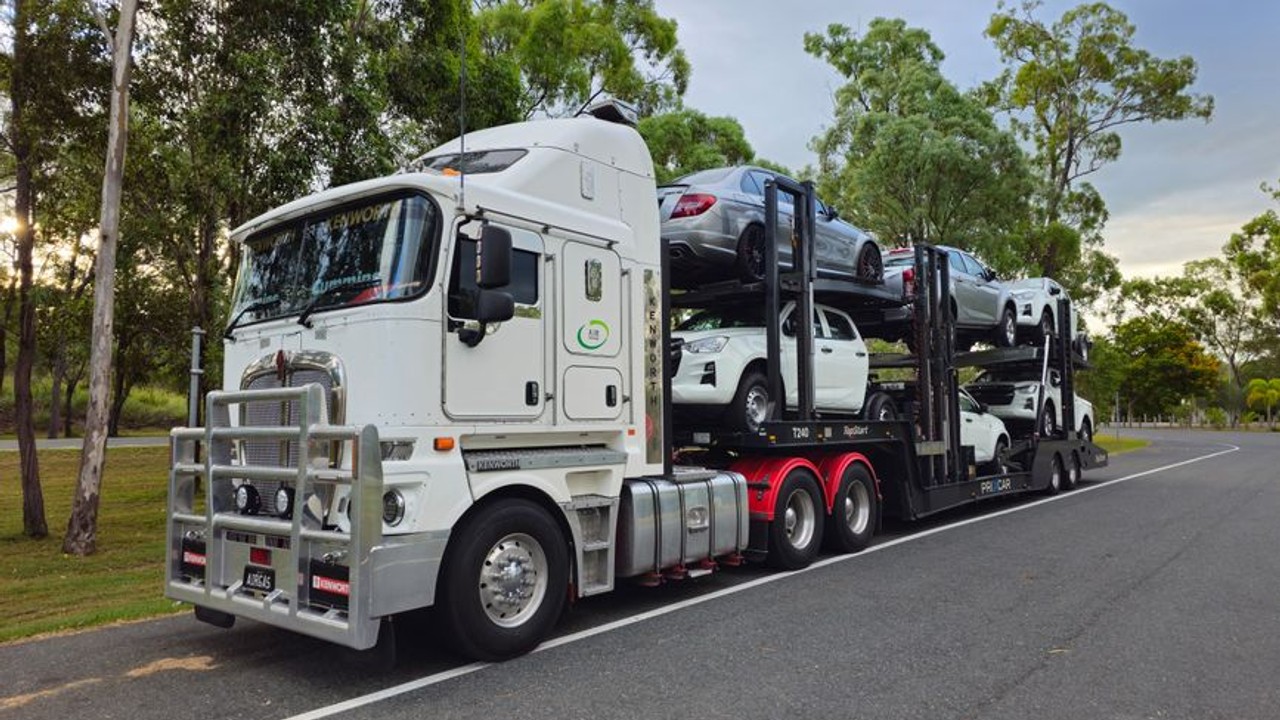
The Core Mystery: Distance Isn't Everything in Auto Transport
Intuitively, we tend to think that the longer the distance, the higher the cost. While distance is certainly a factor ”“ influencing fuel consumption, driver wages, and vehicle wear and tear ”“ it's far from the only, or even the primary, determinant in auto shipping. The car shipping industry operates on principles much more nuanced than a simple per-mile calculation. Imagine flying from New York to Miami compared to flying from New York to a remote Alaskan village. The latter, despite potentially being shorter in air miles, could be far more expensive due to demand, accessibility, and operational complexity. The same holds true for vehicle transport.
Understanding these intricacies is key to making informed decisions and potentially saving hundreds on your next auto shipment. Let's delve into the major factors at play.
Unpacking the Dynamics: Why Routes Diverge in Price
The price you pay for state-to-state vehicle transport is a culmination of several powerful economic and logistical forces. When these forces align unfavorably, costs can skyrocket. When they align favorably, you might find a surprisingly affordable rate.
Supply and Demand: The Invisible Hand of Auto Shipping
Perhaps the single most influential factor in car shipping pricing is the classic economic principle of supply and demand. This dictates how many car carriers are available in a given area (supply) versus how many people need their cars shipped from that area (demand).
- High Demand Routes: Imagine the "snowbird" migration, where thousands of people move their cars from northern states like New York, Michigan, or Massachusetts down to Florida, Arizona, or California for the winter. This creates an enormous demand for southbound routes during specific months (typically October-November). Suddenly, every available car carrier is booked, and prices naturally climb. Similarly, major military base relocations or large corporate transfers can create temporary spikes in demand for specific corridors. If everyone wants to ship a car from Location A to Location B, and there are only a limited number of trucks, the price goes up significantly.
- Low Demand Routes: Conversely, if you want to ship a car from Florida back to New York in the middle of winter, you're essentially asking a carrier to drive against the tide of demand. Fewer cars are heading north, meaning fewer carriers are looking for northbound loads. A carrier might have just dropped off 8 vehicles in Florida and is now looking for a load to take back north. If there are only a few cars going that direction, you might get a competitive price. However, if there are *no* cars going that direction, the carrier might have to drive partially empty, making your single load extremely expensive to compensate for the lost revenue on the empty slots.
The balance of supply and demand is constantly shifting, influenced by seasons, economic trends, and even major events. This dynamic explains why a route from Miami to New York in May might be significantly cheaper than the same route in October.
The Backhaul Opportunity: A Carrier's Lifeline
This is arguably the most critical and often misunderstood factor. For a car carrier, an empty trailer is lost money. Every mile driven without a full load costs them fuel, driver wages, and time, without generating revenue.
- Headhaul vs. Backhaul: The initial, primary direction a carrier prefers to travel because of high demand is called the "headhaul." The return trip, often where they seek loads to avoid driving empty, is the "backhaul."
- Economic Imperative: Carriers prioritize routes where they can pick up a full load (8-10 cars) and drop them off, then immediately pick up another full load for their return journey. This maximizes their efficiency and profitability.
- Price Impact: If you're shipping your car on a popular backhaul route ”“ meaning a route where carriers are typically returning after delivering a headhaul load and are eager to fill their empty spots ”“ you'll often get a much better price. Carriers might even accept a slightly lower rate for a backhaul load just to avoid driving empty. However, if your route is consistently a "deadhead" (meaning carriers rarely find a return load), you'll likely pay a premium. The cost of shipping your single vehicle might have to cover a significant portion of the truck's operational costs for that entire return journey.
Think about a truck bringing a full load of new cars from a manufacturing plant in Michigan to a dealership in California. Once those cars are delivered, the truck needs a new load to take back east. If you need to ship a car from California back to Michigan, you're on a very attractive backhaul route, and your price will reflect that availability.

Urban vs. Rural Pricing: Accessibility and Efficiency
The location of your pickup and drop-off points also heavily influences the price of door-to-door auto shipping.
- Major Metropolitan Hubs: Shipping a car between two major cities (e.g., Los Angeles to Chicago) is generally more affordable. Why?
- Concentration of Carriers: Major cities are transportation hubs, meaning a higher density of car carriers are operating in and out of them. More competition often leads to better prices.
- Efficiency: Pickups and deliveries in urban areas are more efficient. Drivers can often complete multiple pickups/drop-offs in a relatively small geographic area, minimizing detours and maximizing their time.
- Infrastructure: Major cities have better road networks, easier access to fuel, and more available truck stops.
- Rural and Remote Areas: Shipping a car to or from a remote town presents several challenges and additional costs:
- Detours: A carrier might have to drive significant extra miles off their main route to reach a rural location. These extra miles mean more fuel, more driver time, and a delay in reaching their next scheduled pickup or drop-off.
- Limited Access: Small, winding roads, low bridges, or residential streets might be inaccessible to large car carriers, requiring the driver to meet you at a more accessible location (which can add complexity).
- Lower Demand: Fewer people are shipping cars to or from rural areas, reducing the chances of a carrier finding other loads nearby to make the detour worthwhile. Your single vehicle might bear the brunt of the "deadhead" miles.
For example, shipping a car from Dallas to a small town in rural Montana will almost certainly be more expensive per mile than shipping it from Dallas to Denver, even if the total distance is similar. The "last mile" or "first mile" in rural areas can be surprisingly costly.
Operational Costs and Carrier Network Density
Beyond supply, demand, and geography, the underlying operational costs of running a car carrier business play a significant role. These costs can vary by region and route:
- Fuel Prices: Fuel is a massive operating expense. Prices fluctuate regionally and can impact route costs.
- Tolls and Permits: Certain states or routes have higher toll charges. Specific permits are required for oversized vehicles in different jurisdictions.
- Driver Wages: Skilled car carrier drivers command competitive wages. Routes with more challenging driving conditions or longer hours may necessitate higher pay.
- Insurance and Maintenance: These overheads are factored into every shipment.
- Network Density: Regions with a higher concentration of transport companies and an established network of routes often have more competitive pricing due to sheer volume and efficiency. Newer or less common routes might have fewer carriers operating them, leading to higher prices.
Seasonal Fluctuations and Special Events
The time of year and specific events can create temporary but significant shifts in supply and demand, leading to price volatility:
- Snowbird Season: As mentioned, fall (north to south) and spring (south to north) see massive price swings due to seasonal migration.
- College Move-ins/Move-outs: University towns experience spikes in demand during late summer/early fall and late spring, as students move cars to and from campus.
- Major Auto Auctions/Car Shows: Events like Barrett-Jackson auctions or Pebble Beach Concours d'Elegance can temporarily increase demand for vehicle transport to and from specific locations.
- Holidays: Around major holidays, fewer drivers may be on the road, tightening supply and potentially increasing prices for urgent shipments.
Timing your shipment outside these peak windows can often result in significant savings.
Leveraging Knowledge: How to Find Cheaper Car Shipping Routes
Now that you understand the factors influencing pricing, how can you use this knowledge to your advantage? Here are some practical tips to potentially reduce your auto shipping costs:
- Be Flexible with Dates: If your schedule allows, being flexible with your pickup and delivery dates is the single most effective way to save money. Giving carriers a wider window increases their chances of consolidating your vehicle with others going along a profitable route, especially a backhaul. Avoiding peak seasons when possible is also a huge advantage.
- Consider Terminal-to-Terminal Shipping for Rural Areas: If you live in a very rural location, asking for door-to-door service can be expensive due to the detours involved. Instead, consider meeting the car carrier at a major terminal or a easily accessible commercial location in a nearby city. This eliminates costly rural detours for the driver.
- Book in Advance: While last-minute shipments are possible, booking your car transport several weeks in advance (2-4 weeks is ideal) generally secures better rates. This gives carriers ample time to plan their routes efficiently and find complementary loads, rather than scrambling to fill a last-minute spot. Use our shipping calculator early to get an idea of costs.
- Understand the Directional Flow: If you're moving from a typically high-demand destination to a low-demand origin (e.g., leaving Florida in April/May when everyone else is heading north), your price might be higher. Knowing this helps you manage expectations and explore options like terminal drop-offs.
- Provide Accurate Information: Always be transparent and accurate about your vehicle's make, model, year, modifications, and operational status. Surprises at pickup (e.g., a non-running car that was listed as operational) can lead to additional charges or delays.
- Get Multiple Quotes and Compare: Don't settle for the first quote you receive. Reputable companies like Shipping a Car Cross Country use extensive networks of carriers, but it always pays to compare. Understand what each quote includes (e.g., insurance, fuel surcharges). Reading reviews and checking accreditations can help you choose the top auto transport companies.
- Be Aware of Your Vehicle Type: Enclosed transport is always more expensive than open transport due to fewer available trucks and higher specialized insurance. Larger vehicles (trucks, SUVs, vans) take up more space and weigh more, usually incurring higher costs than standard sedans.

Real-World Examples of Price Disparity
To illustrate these points, let's look at a couple of hypothetical, but common, scenarios:
- Scenario 1: California to Texas vs. Texas to California (Similar Distance, Different Pricing)
- Route A: Los Angeles, CA to Dallas, TX (Spring)
- Distance: Approx. 1,435 miles
- Dynamics: This is often a balanced route. There's significant demand for both directions due to major population centers and economic activity. Carriers frequently find backhauls. You might get a very competitive rate.
- Route B: Dallas, TX to Bozeman, MT (Winter)
- Distance: Approx. 1,200 miles
- Dynamics: While shorter, Bozeman, MT is a more rural destination with fewer carriers operating directly to it, especially in winter. Demand into Bozeman might be lower, and carriers often struggle to find backhaul loads leaving Montana in winter. The price per mile for this shorter route could be significantly higher (potentially 2-3 times more than Route A) due to the lack of density, the difficulty of the "last mile," and the high probability of an empty backhaul for the carrier.
- Route A: Los Angeles, CA to Dallas, TX (Spring)
- Scenario 2: Florida Seasonal Swings
- Route C: New York, NY to Miami, FL (October)
- Distance: Approx. 1,280 miles
- Dynamics: Peak "snowbird" season. Demand is astronomically high for southbound transport. Carriers know they can easily fill their trucks and charge a premium. Prices are at their absolute highest.
- Route D: Miami, FL to New York, NY (October)
- Distance: Approx. 1,280 miles
- Dynamics: Same distance, opposite direction, same month. Demand for northbound transport *out* of Florida is relatively low at this time. Carriers who just delivered their snowbird loads are now looking for backhaul opportunities. If you need to ship north, you might get a significantly cheaper rate because carriers are eager to avoid driving empty. This could easily be half the price of the southbound route.
- Route C: New York, NY to Miami, FL (October)
The Commitment to Transparency at Shipping a Car Cross Country
At Shipping a Car Cross Country, we believe in transparent pricing and educating our customers. While the complexities of vehicle transport pricing can seem daunting, our experienced team works diligently to navigate these dynamics for you. We leverage our extensive network of vetted car carriers to find the most efficient and cost-effective solutions for your specific route and timeline. Our goal is to provide you with clear, competitive quotes and exceptional service, helping you understand the factors influencing your shipment's cost every step of the way. Learn more about our commitment to service.
Conclusion
The next time you're puzzled by car shipping quotes that don't seem to align with mere distance, remember the hidden forces at play: the relentless push and pull of supply and demand, the carrier's desperate need for a profitable backhaul, the logistical challenges of urban vs. rural deliveries, and the ever-changing seasonal landscape. While distance is a factor, it”™s merely one ingredient in a much larger, more complex recipe.
By understanding these dynamics, you empower yourself to make smarter choices, ask the right questions, and potentially save a significant amount on your next auto shipment. At Shipping a Car Cross Country, we're here to guide you through these complexities, providing reliable and efficient car shipping services that meet your needs and budget. Ready to get started?
Don't let confusing pricing deter you. Get a free, no-obligation quote today and discover the most efficient and affordable way to ship your car cross country with Shipping a Car Cross Country. Your seamless vehicle transport experience begins here. Contact us or use our online calculator to get started!